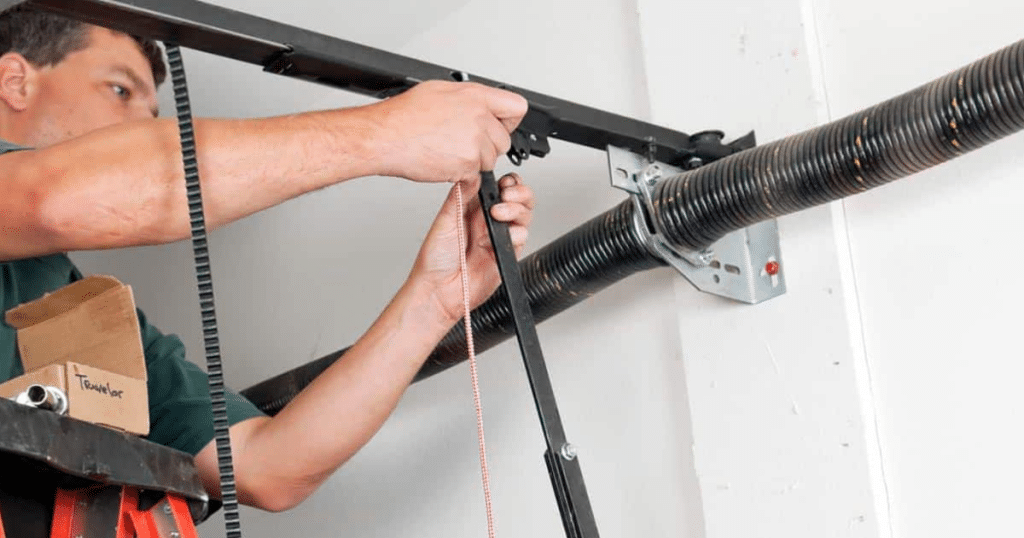
Understanding garage door cable wire strength is essential for homeowners and professionals who want to ensure both safety and long-term performance. The cables are a critical part of any garage door system, bearing the weight of the door and working in tandem with springs and pulleys to provide smooth, reliable operation. If the cables are not strong enough or become worn, the risks of sudden failure and potential injury increase. This article explores what determines cable strength, the standards for heavy-duty applications, and how to choose the right cables for your needs.
For a deeper dive into the components that make up these systems, you can review garage door cable components and see how each part contributes to overall safety and function.
What Determines the Strength of Garage Door Cables?
The strength of a garage door cable is influenced by several factors, including the material, diameter, construction, and the quality of manufacturing. Most residential and commercial cables are made from galvanized steel, which offers a balance of flexibility and resistance to corrosion. The number of strands and wires per strand also plays a role—common constructions include 7×7 or 7×19, with the latter offering greater flexibility and strength.
Wire diameter is a key specification. Thicker cables can handle more weight, but they must still fit the pulleys and drums designed for your door. For example, a standard residential garage door might use a 1/8-inch cable, while heavy-duty or commercial doors may require 3/16-inch or thicker cables.
Manufacturers test cable strength using minimum breaking strength ratings, which indicate the maximum load a new cable can withstand before failing. However, for safety, the actual working load should be much lower than this maximum.
Heavy-Duty Standards for Garage Door Cable Wire
Heavy-duty garage door cables are designed to meet higher performance requirements. These standards are especially important for larger, heavier doors or commercial applications. The garage door cable wire strength for these scenarios is typically defined by:
- Material Quality: High-grade galvanized or stainless steel is preferred for maximum durability.
- Diameter: Heavy-duty cables are usually 3/16-inch or thicker, depending on the door’s weight.
- Construction: 7×19 strand construction is common for heavy-duty use, offering both strength and flexibility.
- Load Ratings: Cables should have a minimum breaking strength several times greater than the actual door weight.
- Compliance: Reputable manufacturers follow industry standards such as ASTM A1023/A1023M for wire rope specifications.
It’s important to match the cable’s specifications to the door’s requirements. Over-specifying can lead to unnecessary costs, while under-specifying can compromise safety.
Choosing the Right Cable Strength for Your Garage Door
Selecting the correct cable for your garage door involves more than just picking the thickest option. Consider these steps:
- Identify Door Type: Is your door single or double, insulated or non-insulated, residential or commercial?
- Check Door Weight: Heavier doors require cables with higher load ratings. Consult your door’s manual or manufacturer for weight specifications.
- Measure Existing Cable: If replacing, measure the diameter and length of your current cable. Ensure replacements match or exceed these specs.
- Assess Usage: High-traffic doors, such as those in commercial settings, benefit from heavy-duty cables with higher fatigue resistance.
- Consult Standards: Look for cables that meet or exceed industry standards for safety and performance.
If you want to learn more about the different types of cables available, garage door cable types provides a helpful overview for homeowners.
Common Signs of Cable Wear and When to Replace
Even the strongest cables will eventually show signs of wear. Regular inspection is crucial for maintaining safe operation. Look for:
- Fraying: Visible broken wires or unraveling strands.
- Rust or Corrosion: Discoloration or pitting, especially in humid environments.
- Kinks or Bends: Deformation from improper winding or impact.
- Slack: Cables that appear loose or uneven when the door is open or closed.
If you notice any of these issues, replace the cables immediately. Using worn cables can result in sudden failure, which may damage your door or cause injury.
For a detailed look at the hardware involved, see this guide on garage door cable parts and how each piece contributes to overall system integrity.
Installation and Maintenance Best Practices
Proper installation and regular maintenance are just as important as choosing the right cable. Here are some best practices:
- Professional Installation: Garage door cables are under high tension. Incorrect installation can be dangerous. Always consider hiring a professional.
- Lubrication: Use a light oil to keep cables moving smoothly and prevent rust.
- Routine Inspection: Check cables for wear at least twice a year, especially before winter and summer.
- Replace in Pairs: If one cable fails, replace both to maintain balanced operation.
- Follow Manufacturer Guidelines: Adhere to all safety and maintenance instructions provided with your door system.
For more detailed safety tips, review the dos and don’ts of garage door cables to avoid common mistakes and ensure long-lasting performance.
Frequently Asked Questions
How do I know if my garage door cables are strong enough?
Check the cable diameter and construction against your door’s weight and type. Refer to your door’s manual or consult a professional if unsure. Cables should have a working load rating well above the actual door weight.
Can I replace garage door cables myself?
While some experienced DIYers may attempt cable replacement, it’s generally recommended to hire a professional. The cables are under significant tension, and improper handling can result in injury or further damage to the door system.
What is the typical lifespan of heavy-duty garage door cables?
With proper maintenance, heavy-duty cables can last 7–15 years, depending on usage and environmental conditions. Regular inspection and prompt replacement at the first sign of wear are key to maximizing lifespan.
Conclusion
Selecting and maintaining the right cables is fundamental for safe, reliable garage door operation. By understanding the factors that influence garage door cable wire strength, adhering to heavy-duty standards, and following best practices for installation and care, you can prevent unexpected failures and extend the life of your garage door system. For further reading on safety and function, see this guide to garage door lift cables or explore everything you need to know about garage door cables.