Garage doors rely on strong cables to lift and lower smoothly, but exposure to moisture and daily wear can lead to garage door cable rust. Rust not only weakens the cables but also increases the risk of sudden failure, which can be both costly and dangerous. Understanding how to prevent corrosion and how to clean affected cables helps homeowners extend the lifespan of their garage door system and avoid unexpected breakdowns.
This article covers the causes of cable corrosion, practical steps for prevention, and safe cleaning methods. We’ll also highlight when it’s time to replace cables and where to find reliable replacement parts. For a broader overview of cable issues, you might find the garage door cable common problems guide helpful as well.
Why Garage Door Cables Rust
Cables are typically made of galvanized steel, which offers some resistance to corrosion. However, over time, exposure to humidity, rain, and road salts can break down this protective layer. When moisture settles on the cable surface and isn’t dried off, oxidation begins, resulting in garage door cable rust. This process is accelerated in coastal regions or areas with high humidity.
Other contributing factors include:
- Poor garage ventilation, trapping moisture inside
- Leaking roofs or walls allowing water to drip onto cables
- Failure to lubricate cables regularly
- Use of harsh cleaners that strip away protective coatings
Rust not only weakens the cable but can also cause it to fray or snap, potentially damaging your garage door or causing injury.
How to Spot Early Signs of Corrosion
Regular inspection is key to catching rust before it becomes a serious problem. Look for:
- Orange or brown discoloration on the cable surface
- Rough, pitted, or flaky texture
- Stiff or noisy cable movement
- Visible fraying or broken strands
If you notice any of these symptoms, take action promptly. Early intervention can often save the cable and prevent further damage to your garage door system.
Prevention Strategies for Cable Rust
Preventing rust on garage door cables is far easier and less expensive than dealing with a snapped cable. Here are some proven prevention tips:
- Keep the Garage Dry: Ensure your garage is well-ventilated. Use a dehumidifier in damp climates and fix any leaks in the roof or walls promptly.
- Regular Lubrication: Apply a light coat of garage door lubricant or a silicone-based spray to the cables every few months. This creates a barrier against moisture and reduces friction.
- Routine Inspections: Check cables for signs of rust or wear at least twice a year. Early detection allows for quick cleaning or replacement.
- Clean Off Road Salt: If you live in an area where roads are salted in winter, wipe down cables regularly to remove salt residue, which accelerates corrosion.
- Avoid Harsh Chemicals: Do not use bleach or strong acids to clean cables, as these can strip protective coatings and worsen rust.
For more detailed advice on keeping cables in top shape, see the garage door cable prevention tips resource.
Cleaning and Treating Rusty Garage Door Cables
If you discover rust, act quickly to prevent it from spreading. Follow these steps for safe cleaning:
- Disconnect Power: Always unplug the garage door opener before working on cables to avoid accidental movement.
- Brush Off Loose Rust: Use a stiff wire brush to gently remove surface rust. Wear gloves and safety glasses for protection.
- Apply Rust Remover: Use a commercial rust dissolver or a mixture of vinegar and baking soda. Apply with a cloth and let it sit for several minutes.
- Wipe Clean: Remove the rust remover with a clean, damp rag. Dry the cable thoroughly.
- Lubricate: Once dry, apply a thin layer of lubricant to protect against future moisture.
If the cable is severely corroded, frayed, or weakened, replacement is the safest option. Never attempt to repair a cable that shows deep pitting or broken strands.
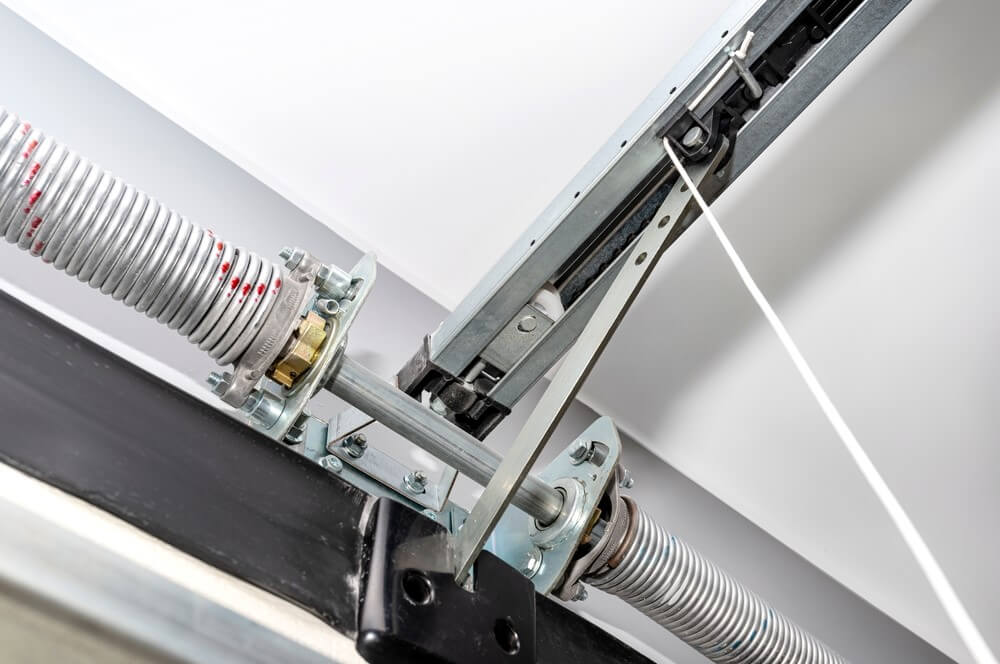
For a technical explanation of how cables function and why their integrity is critical, see this detailed overview of garage door cable mechanics.
When to Replace Rusty Garage Door Cables
While minor surface rust can often be cleaned, some situations call for immediate cable replacement:
- Deep rust or pitting that weakens the strands
- Visible fraying or broken wires
- Cables that feel brittle or are difficult to move
- Repeated rusting despite regular cleaning and lubrication
Replacing cables is a job best left to professionals, as the high tension involved can be hazardous. If you are comfortable with DIY repairs, always follow manufacturer instructions and use the correct replacement parts. For a step-by-step introduction, the garage door cable beginner guide is a helpful starting point.
Maintaining Cable Performance and Safety
Consistent maintenance not only prevents garage door cable rust but also ensures smooth, reliable operation. In addition to cleaning and lubricating, keep an eye on cable alignment and tension. If your door feels heavy or uneven, or if you notice jerky movement, have the system inspected by a professional.
For those interested in optimizing their garage door’s performance, check out the garage door cable efficiency article for tips on achieving effortless lifting and longer-lasting hardware.
Frequently Asked Questions
How often should I inspect my garage door cables for rust?
It’s recommended to check your cables at least twice a year, ideally before and after winter. If you live in a humid or coastal area, more frequent inspections may be necessary.
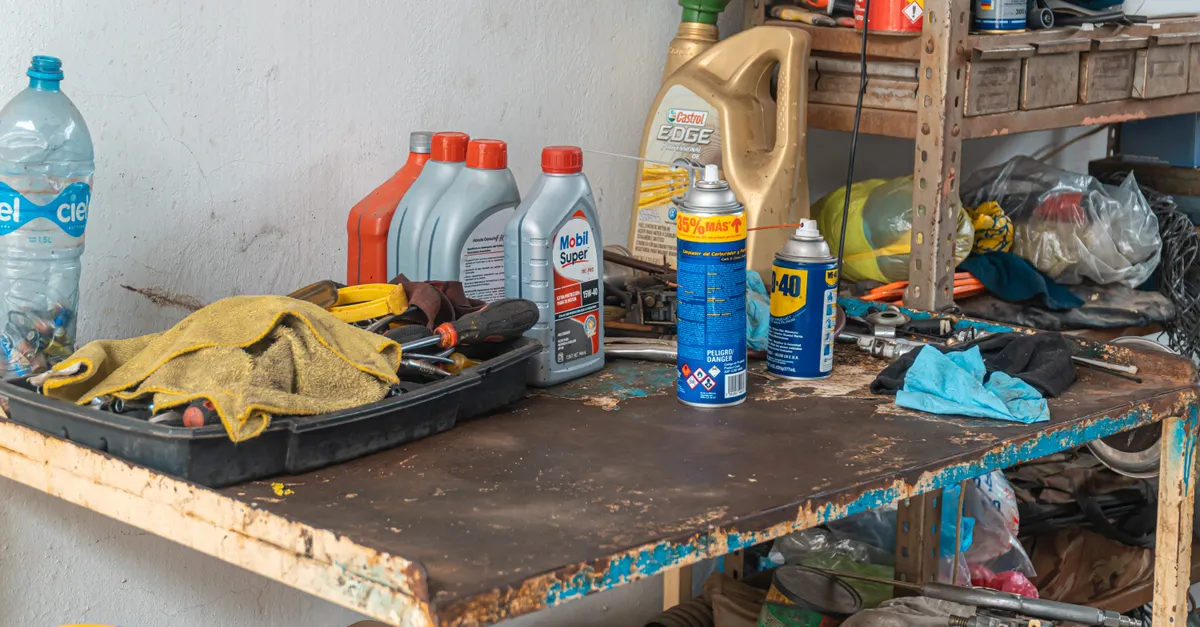
Can I use WD-40 to lubricate garage door cables?
While WD-40 can help displace moisture, it’s not a long-term lubricant. Use a silicone-based or garage door-specific lubricant for better protection against rust and smoother operation.
Is it safe to replace rusty cables myself?
Replacing garage door cables involves working with high-tension components and can be dangerous. If you’re not experienced with garage door repairs, it’s safer to hire a professional technician.
What should I do if my cables keep rusting despite regular maintenance?
Persistent rust may indicate a moisture problem in your garage or the use of low-quality cables. Improve ventilation, check for leaks, and consider upgrading to higher-grade galvanized or stainless steel cables.
Addressing garage door cable rust early and following the right maintenance steps will help you avoid costly repairs and keep your garage door operating safely for years to come.