A well-functioning garage door is essential for both convenience and security, but the safety of its cable system is often overlooked. The cables are a critical component, responsible for lifting and lowering the heavy door smoothly and securely. If these cables fail, the risks can include property damage, personal injury, and costly repairs. Understanding garage door cable system safety is vital for homeowners who want to maintain a secure and reliable entry point to their property.
This article provides a comprehensive look at how cable systems work, common hazards, and the best practices for keeping your garage door operating safely. For those interested in more advanced technical details, the garage door cable professional guide offers in-depth information and expert tips.
Understanding Garage Door Cable Mechanisms
The cable system in a garage door works in tandem with springs, pulleys, and drums to ensure smooth movement. These cables are typically made of high-tensile steel and are designed to withstand significant tension as they help balance the door’s weight. There are two main types of cables: torsion spring cables and extension spring cables. Each type is suited to a specific door mechanism, but both are crucial for safe operation.
If a cable snaps or becomes frayed, the door can suddenly drop or become misaligned, posing a danger to anyone nearby. Regular inspection and maintenance are key to preventing such incidents.
Why Garage Door Cable System Safety Matters
A faulty cable system can lead to a range of hazards. The most immediate risk is the uncontrolled descent of the door, which can cause injury or damage vehicles and belongings. In some cases, a broken cable can also put extra strain on the opener and other hardware, leading to further malfunctions.
Ensuring the safety of your garage door’s cable system not only protects your property but also extends the lifespan of the entire door assembly. Homeowners should be proactive in identifying warning signs and addressing issues before they escalate.
Common Cable System Hazards and Warning Signs
Recognizing potential issues early is essential for maintaining garage door cable system safety. Here are some of the most common hazards and their warning signs:
- Frayed or Rusty Cables: Visible wear, rust, or broken strands indicate that cables are nearing failure and should be replaced immediately.
- Loose or Unwound Cables: Cables that have slipped off the drum or appear slack can cause the door to become unbalanced.
- Unusual Noises: Grinding, squeaking, or snapping sounds during operation often signal cable or pulley issues.
- Door Movement Problems: If the door opens unevenly, jerks, or gets stuck, the cable system may be compromised.
If you notice any of these signs, it’s important to address them promptly. For a step-by-step approach to identifying and preventing cable failures, visit the garage door cable prevention tips page.
Best Practices for Maintaining Cable System Safety
Regular maintenance is the cornerstone of a safe and reliable garage door. Here are some essential practices to keep your cable system in top condition:
- Visual Inspections: Check cables for fraying, rust, or kinks at least once every few months.
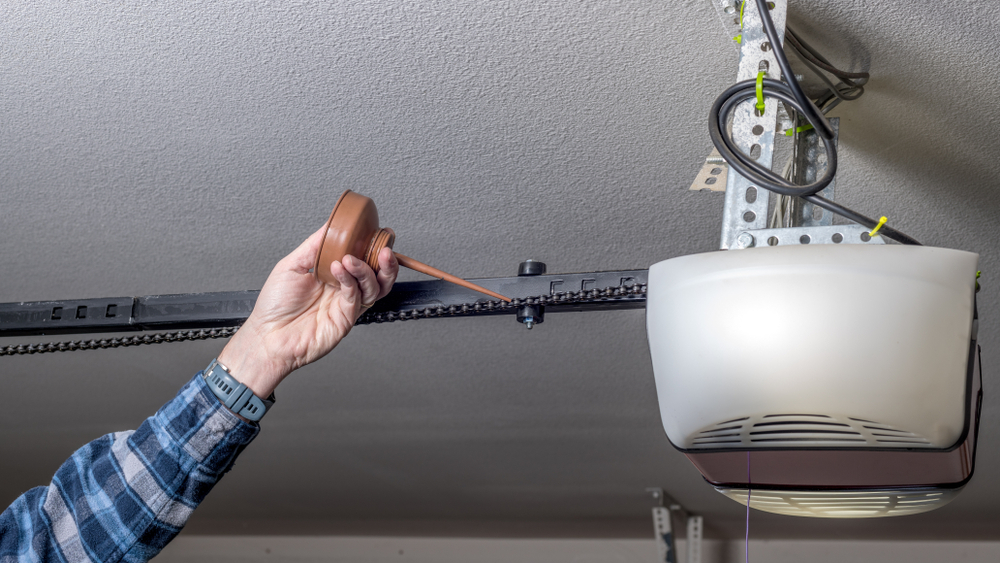
- Lubrication: Apply a suitable lubricant to cables and moving parts to reduce friction and prevent rust. For guidance on how often to lubricate, see the garage door cable lubrication frequency resource.
- Professional Servicing: Have a qualified technician inspect and service your garage door annually. Professionals can spot issues that may not be visible to the untrained eye.
- Prompt Repairs: Replace damaged cables immediately. Delaying repairs can lead to more serious problems and increase safety risks.
Never attempt to adjust or replace garage door cables yourself unless you have the proper training and tools. The tension in these cables can cause severe injury if mishandled.
Upgrading and Replacing Garage Door Cable Systems
Older garage doors or those with outdated cable systems may benefit from an upgrade. Modern cable assemblies are designed for enhanced durability and safety features. Upgrading can also improve the door’s operation and reduce the risk of sudden failures.
If you’re considering a system upgrade, the garage door cable system upgrade guide provides detailed information on the latest options and what to expect during the process.

DIY vs. Professional Cable Repairs
While some homeowners may be tempted to tackle cable repairs themselves, it’s important to understand the risks involved. Garage door cables are under extreme tension, and improper handling can result in serious injury. For most repairs and replacements, hiring a professional is the safest option.
If you’re curious about the installation process or want to learn more about the technical side, check out this step-by-step guide to installing garage door springs and cables. However, always prioritize safety and consult a professional for any work involving high-tension components.
When to Replace Your Garage Door Cables
Knowing when to replace cables is crucial for maintaining a safe garage door. Some clear indicators include:
- Visible fraying or broken strands
- Rust or corrosion on the cable surface
- Slack or looseness in the cable when the door is closed
- Unusual noises or jerky movement during operation
For a complete checklist of what to look for and how to prepare for a cable replacement, visit the garage door cable replacement checklist.
Frequently Asked Questions
How often should garage door cables be inspected?
It’s recommended to visually inspect your garage door cables every three to six months. Look for signs of wear, rust, or fraying. Annual professional inspections are also advised to catch issues early and maintain optimal garage door cable system safety.
Can I replace garage door cables myself?
While some experienced DIYers may attempt cable replacement, it’s generally not recommended due to the high tension involved. Improper handling can cause injury or further damage. Hiring a qualified technician is the safest and most reliable option.
What are the signs that my garage door cable system needs attention?
Common warning signs include frayed or rusty cables, loose or unwound cables, unusual noises during operation, and uneven or jerky door movement. Addressing these issues promptly helps prevent accidents and costly repairs.
Conclusion
Prioritizing the safety of your garage door’s cable system is essential for protecting your home and family. Regular inspections, timely maintenance, and professional repairs are the best ways to ensure reliable operation and avoid unexpected hazards. By staying informed and proactive, you can keep your garage door functioning smoothly and securely for years to come.