A garage door cable system upgrade is one of the most effective ways to enhance the safety, reliability, and smooth operation of your garage door. Over time, cables can wear out, fray, or become outdated, leading to noisy operation, uneven lifting, or even sudden failures. Upgrading to a modern cable system not only extends the lifespan of your door but also ensures your home remains secure and your daily routine uninterrupted.
Many homeowners overlook the importance of the cable mechanism, focusing instead on springs or openers. However, cables are the backbone of the lifting process, bearing the full weight of the door every time it opens or closes. Investing in an upgrade can prevent costly repairs and reduce the risk of accidents. In this guide, you’ll learn the benefits of updating your system, how the process works, and what to consider before starting.
For a deeper technical dive into cable types, specs, and troubleshooting, check out the garage door cable professional guide.
Why Upgrade Your Garage Door Cable System?
Modernizing your garage door’s cable mechanism brings several advantages. First, newer cables are made from advanced materials that resist corrosion and wear, ensuring a longer service life. Upgraded systems often include improved pulleys and fasteners, reducing the risk of sudden breakage and minimizing maintenance needs.
Key reasons to consider an upgrade include:
- Enhanced safety: Newer cables are less likely to snap, protecting your family and property from accidents.
- Smoother operation: Modern systems reduce friction and noise, making daily use quieter and more reliable.
- Increased durability: Up-to-date materials withstand harsh weather and frequent use better than older cables.
- Compatibility with smart technology: Some upgrades integrate seamlessly with smart openers and automation systems.
If your current setup shows signs of rust, fraying, or uneven movement, it’s time to consider a replacement. For tips on preventing rust and corrosion, refer to this garage door cable corrosion prevention resource.
Understanding the Components of a Modern Cable System
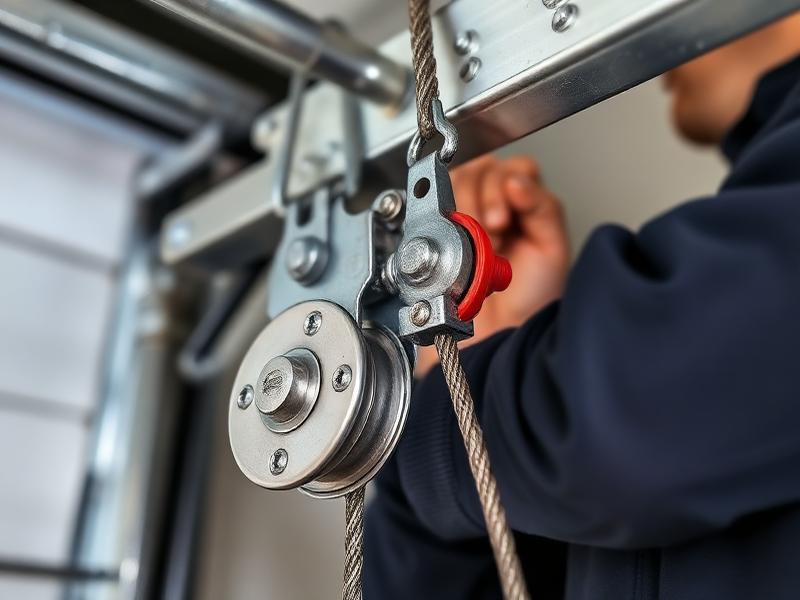
A typical garage door cable system consists of several key parts working together to lift and lower the door safely. Understanding these components can help you make informed decisions when selecting an upgrade.
- Cables: Usually made from galvanized steel, these bear the door’s weight and must be strong and flexible.
- Pulleys: Guide the cables and reduce friction, ensuring smooth movement.
- Drums: Located at the ends of the torsion bar, drums wind and unwind the cables as the door moves.
- Fasteners and brackets: Secure the cables and pulleys to the door and frame, maintaining alignment and tension.
Upgraded systems often feature heavy-duty cables, sealed pulleys for longer life, and corrosion-resistant hardware. These improvements help prevent common issues like cable slippage, uneven lifting, or premature wear.
Signs Your Garage Door Needs a Cable System Upgrade
Recognizing when it’s time for a cable system refresh can save you from unexpected breakdowns. Here are some common warning signs:
- Visible fraying, rust, or kinks in the cables
- Unusual noises during operation, such as grinding or squealing
- Uneven door movement or the door getting stuck halfway
- Loose or sagging cables hanging from the drum or pulley
- Frequent need for manual adjustments or repairs
If you notice any of these issues, it’s wise to address them promptly. For seasonal care tips, see the garage door cable seasonal maintenance guide.
How to Approach a Garage Door Cable System Upgrade
Upgrading your cable system involves several steps, and while some experienced DIYers may tackle the job, it’s often best left to professionals due to the high tension and safety risks involved. Here’s a general overview of the process:
- Inspection: Assess the current cables, pulleys, and hardware for wear or damage.
- Selection: Choose a cable kit compatible with your door’s weight and type. Consider heavy-duty or corrosion-resistant options for added longevity.
- Preparation: Disconnect the opener and secure the door to prevent accidental movement.
- Removal: Carefully release tension from the springs and remove the old cables and pulleys.
- Installation: Attach the new cables, pulleys, and hardware, ensuring proper alignment and tension.
- Testing: Reconnect the opener and test the door for smooth, balanced movement.
For a step-by-step breakdown and safety tips, you can refer to this guide on fixing garage door cables.
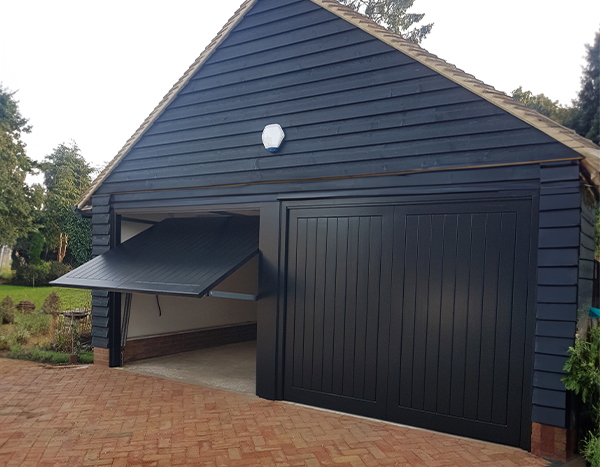
Choosing the Right Cable System for Your Door
Not all garage doors are the same, and choosing the right cable system depends on several factors:
- Door weight and size: Heavier doors require thicker, stronger cables.
- Spring type: Torsion and extension spring systems use different cable configurations.
- Environment: If your garage is exposed to moisture, opt for galvanized or stainless steel cables to prevent rust.
- Usage frequency: High-traffic garages benefit from heavy-duty components.
Consult your door’s manual or a professional installer to ensure compatibility. For more on how cables work in the lifting process, see the garage door cable working principle article.
Maintenance Tips After Upgrading Your Cable System
Once your new cable system is installed, regular maintenance will keep it running smoothly:
- Inspect cables and pulleys every few months for signs of wear or corrosion.
- Lubricate moving parts with a silicone-based spray to reduce friction.
- Keep the tracks and drums clean and free of debris.
- Test the door’s balance and auto-reverse features regularly.
- Address any unusual noises or movement promptly to prevent further damage.
If you encounter rust or moisture issues, the garage door cable moisture damage guide offers practical solutions.
Frequently Asked Questions
How often should I replace my garage door cables?
Most cables last between 7 to 10 years, but this depends on usage, climate, and maintenance. Inspect them annually and replace at the first sign of fraying, rust, or stretching.
Can I upgrade my garage door cable system myself?
While some experienced DIYers may attempt this, working with high-tension springs and cables can be dangerous. For most homeowners, hiring a professional is the safest option.
What are the signs of a failing cable system?
Look for visible fraying, rust, uneven door movement, or loud noises during operation. If the door becomes difficult to open or close, the cables may be worn or misaligned.
Are upgraded cable systems compatible with smart garage door openers?
Yes, most modern cable systems are designed to work with smart openers and automation features. Always check compatibility before purchasing.
A garage door cable system upgrade is a smart investment in your home’s safety and convenience. By choosing quality components and maintaining them well, you’ll enjoy years of reliable, quiet operation.