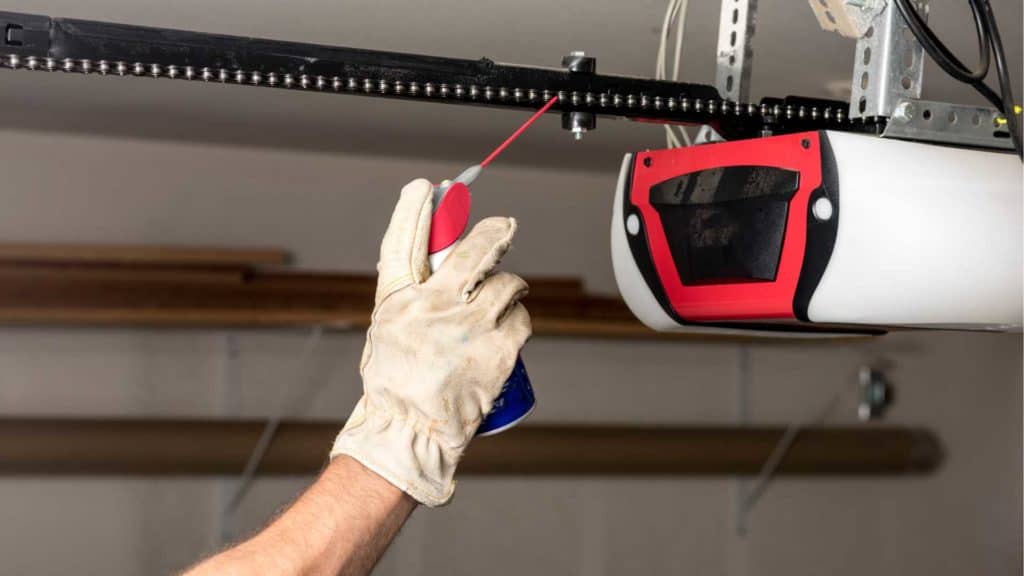
Proper care of your garage door cables is essential for smooth operation, safety, and extending the life of your door system. One of the most important aspects of maintenance is understanding the garage door cable lubrication frequency. Applying lubricant at the right intervals helps prevent premature wear, reduces noise, and protects against corrosion and fraying. However, many homeowners are unsure how often this task should be performed or what signs indicate it’s time for attention.
This article covers how frequently you should lubricate garage door cables, the factors that affect maintenance schedules, and best practices for keeping your system running reliably. We’ll also address common questions and provide practical tips for effective upkeep.
For a deeper dive into cable care and troubleshooting, you can refer to the garage door cable professional guide for expert tips and technical specifications.
Why Lubricating Garage Door Cables Matters
Garage door cables are under constant tension and exposed to dust, moisture, and temperature changes. Without regular lubrication, cables can become stiff, noisy, and prone to fraying or rust. Proper lubrication:
- Minimizes friction between cable strands and pulleys
- Reduces wear and tear on moving parts
- Prevents corrosion and rust formation
- Ensures quieter, smoother operation
- Extends the lifespan of cables and related hardware
Neglecting this simple maintenance step can lead to costly repairs or even sudden cable failure, which may cause the door to become inoperable or unsafe.
Recommended Garage Door Cable Lubrication Frequency
For most residential setups, the general guideline is to lubricate garage door cables every six months. This semi-annual schedule is suitable for typical usage and moderate climates. However, certain factors may require more frequent attention:
- High Usage: If your garage door is opened and closed multiple times daily, quarterly lubrication (every 3 months) is advisable.
- Harsh Environments: Homes near the coast, in areas with high humidity, or where winter road salts are present, should consider lubricating cables every 3–4 months to combat corrosion.
- Older Systems: Aging doors and cables may benefit from more frequent checks and lubrication to offset increased wear.
Always follow the manufacturer’s recommendations if available, as some door systems may have unique requirements.
Signs Your Garage Door Cables Need Lubrication
Even with a set schedule, it’s wise to watch for signs that your cables need attention between routine maintenance. Look out for:
- Squeaking or Grinding Noises: Unusual sounds during operation often indicate dry cables or pulleys.
- Visible Rust or Corrosion: Any orange or brown discoloration means moisture is present and lubrication is overdue.
- Stiff or Jerky Movement: If the door hesitates or moves unevenly, friction may be increasing due to lack of lubrication.
- Fraying or Loose Strands: Damaged cables require immediate attention and should be replaced, but proper lubrication can help prevent this issue.
If you notice any of these symptoms, don’t wait until your next scheduled maintenance—apply lubricant as soon as possible.
How to Lubricate Garage Door Cables Properly
Effective lubrication involves more than simply spraying oil on the cables. Follow these steps for best results:
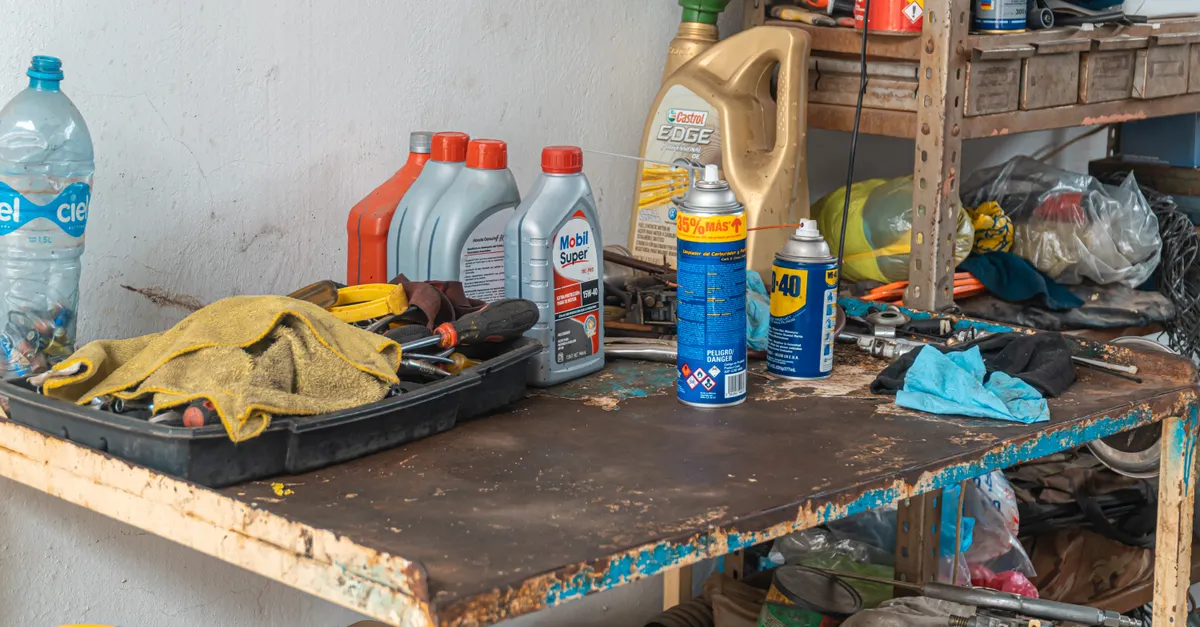
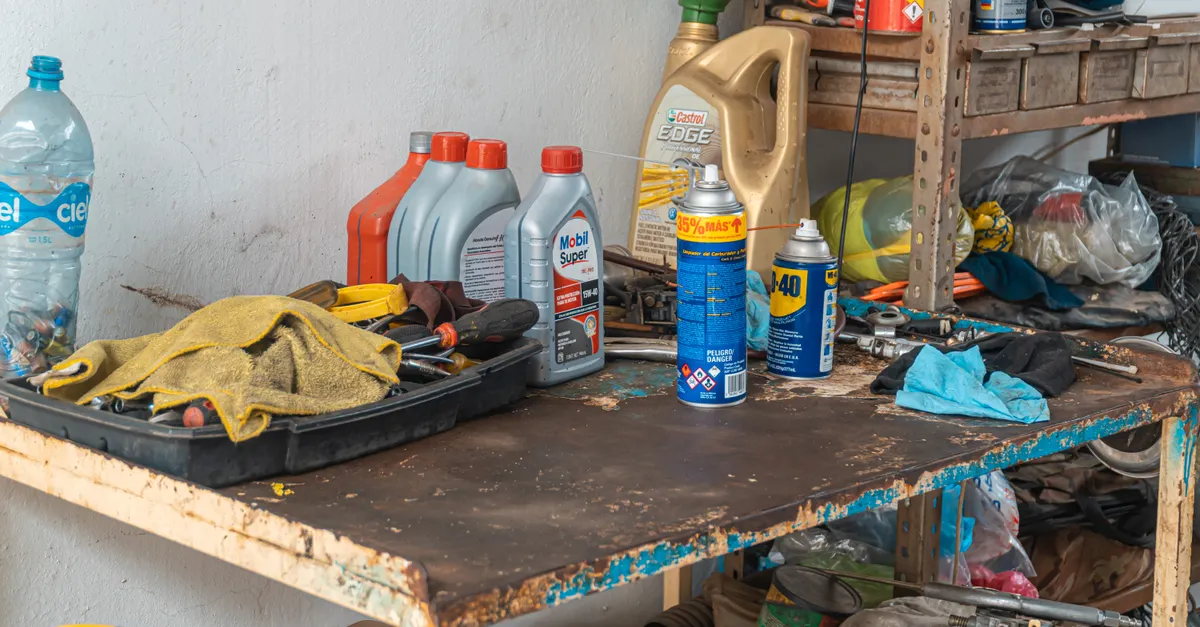
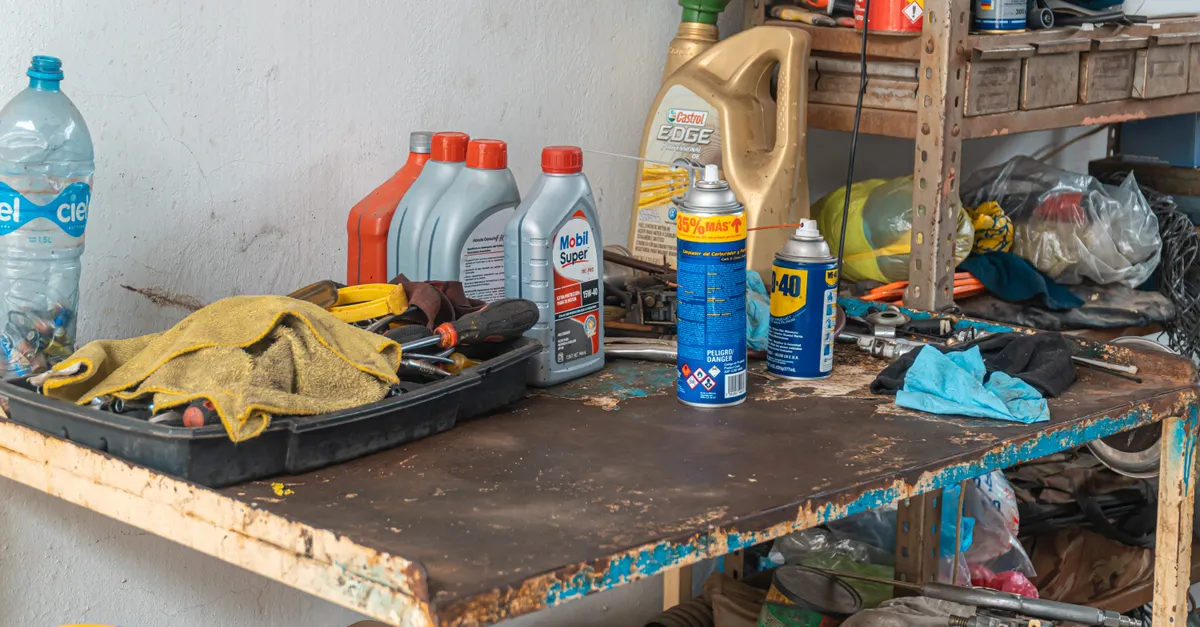
- Choose the Right Lubricant: Use a garage door-specific spray lubricant or a light machine oil. Avoid heavy greases, which can attract dirt and gum up the mechanism.
- Clean the Cables: Wipe away dust, old lubricant, and debris with a clean rag before applying new lubricant.
- Apply Lubricant: Lightly spray or drip lubricant along the length of the cables, focusing on areas where they wrap around pulleys and drums.
- Operate the Door: Open and close the door several times to distribute the lubricant evenly.
- Wipe Excess: Remove any drips or excess lubricant to prevent accumulation of dust and grime.
Always prioritize safety. If you’re unsure or uncomfortable working with high-tension cables, consider hiring a professional for maintenance or repairs.
Factors That Affect Lubrication Schedules
While the standard recommendation is every six months, several variables can influence how often you should lubricate your garage door cables:
- Climate: Humid or coastal environments accelerate corrosion, requiring more frequent lubrication.
- Usage Patterns: Commercial or high-traffic residential garages need more regular care than those used infrequently.
- Seasonal Changes: Winter can introduce moisture and salt, while summer heat may dry out lubricants faster. For tips on adapting your routine, see the garage door cable seasonal maintenance guide.
- Existing Cable Condition: Older or previously neglected cables may need extra attention until they are fully protected.
Adjust your maintenance schedule based on these factors to ensure optimal performance and cable longevity.
Common Mistakes to Avoid
When caring for garage door cables, avoid these pitfalls:
- Using the Wrong Lubricant: Household oils or WD-40 are not ideal for garage door cables. Use products designed for garage door hardware.
- Over-Lubricating: Excess lubricant can attract dirt and cause buildup that impairs movement.
- Ignoring Other Components: While cables are important, pulleys, springs, and rollers also need periodic lubrication for a complete maintenance routine.
- Skipping Inspections: Lubrication is not a substitute for checking cables for wear, fraying, or damage.
By following best practices and avoiding these mistakes, you’ll keep your garage door system safe and efficient.
Additional Resources for Garage Door Cable Care
For more information on preventing rust and corrosion, see the garage door cable corrosion prevention guide. If you’re experiencing issues during colder months, the garage door cable winter issues article offers targeted advice. For step-by-step installation help, this installation guide for garage door springs and cables is a helpful resource.
Frequently Asked Questions
What type of lubricant should I use for garage door cables?
Choose a silicone-based or lithium spray lubricant specifically designed for garage doors. These products penetrate cable strands and resist attracting dust, unlike household oils or greases.
Can I lubricate garage door cables myself, or should I hire a professional?
Most homeowners can safely lubricate cables by following the steps outlined above. However, if you notice fraying, rust, or if the cables are under high tension, it’s best to consult a professional to avoid injury.
How do I know if my cables need to be replaced instead of lubricated?
If you see visible fraying, broken strands, or severe rust that cannot be removed, the cables should be replaced. Lubrication helps prevent these issues but cannot repair existing damage.
Is it necessary to lubricate cables in dry climates?
Yes, even in dry regions, dust and debris can cause friction and wear. Regular lubrication is still important, though you may be able to extend intervals slightly if cables remain clean and free of corrosion.
Should I lubricate other parts of my garage door system?
Absolutely. Rollers, hinges, springs, and pulleys all benefit from periodic lubrication. This ensures the entire system operates smoothly and quietly.