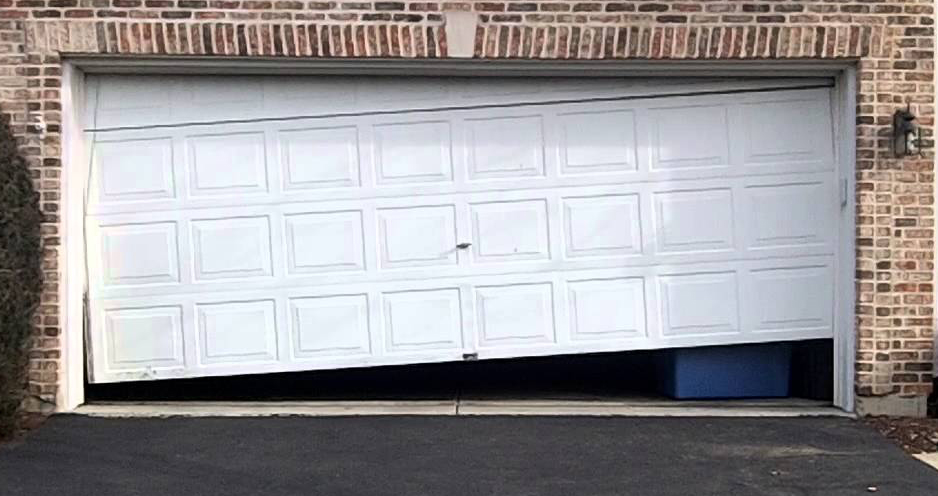
A garage door that only opens halfway before reversing and closing can be a frustrating and inconvenient problem. This issue not only disrupts your daily routine but can also signal underlying mechanical or safety concerns that need prompt attention. Understanding why your overhead door behaves this way is the first step toward a reliable solution.
In this guide, we’ll break down the most common reasons for a garage door stopping midway and then reversing, along with practical steps you can take to resolve the problem. Whether you’re a DIY enthusiast or simply want to know when to call a professional, you’ll find actionable advice here to help restore your garage door’s smooth operation.
If you’ve noticed other sensor-related problems, such as a missing indicator light, you may find additional troubleshooting tips in our article on why is my garage door sensor indicator light missing.
Main Reasons for a Garage Door Stopping Midway and Reversing
When a garage door only opens partway and then closes, several factors could be at play. Identifying the root cause is essential for a safe and lasting repair. Here are the most frequent culprits:
- Obstructed or misaligned safety sensors
- Damaged or worn-out rollers and tracks
- Broken springs or cables
- Incorrect travel or force settings on the opener
- Remote control or wall switch malfunctions
- Physical obstructions in the door’s path
Let’s explore each of these causes in detail and discuss how you can address them.
Sensor Issues and Alignment Problems
Modern garage doors are equipped with photo-eye safety sensors near the floor on either side of the opening. These sensors prevent the door from closing on people or objects. If they become dirty, misaligned, or blocked, the opener may interpret this as an obstruction, causing the door to stop and reverse.
Check the sensor lenses for dirt or spider webs and gently clean them with a soft cloth. Make sure both sensors are pointing directly at each other and that their indicator lights are steady. If the lights are blinking or off, realign the sensors until the lights remain solid. For more advanced sensor troubleshooting, see our guide on how to fix garage door sensor bracket bending.

Mechanical Blockages and Track Problems
Physical obstructions or damage to the tracks can also cause your garage door to stop halfway and reverse. Inspect the tracks for debris, dents, or bends. Even a small object or buildup of dirt can interfere with the door’s movement.
Use a broom or vacuum to clear out any debris. If you notice bent tracks, you may be able to gently straighten them with pliers, but significant damage should be addressed by a professional. Lubricate the rollers and hinges with a garage door lubricant spray to ensure smooth operation. Avoid using grease, as it can attract more dirt and cause sticking.

Spring and Cable Failures
Torsion and extension springs are responsible for counterbalancing the weight of your garage door. If a spring breaks or loses tension, the opener may struggle to lift the door, causing it to stop and reverse. Similarly, frayed or broken cables can disrupt the door’s movement.
If you suspect a broken spring (you may hear a loud bang or see a visible gap in the spring), do not attempt to repair it yourself. Springs are under high tension and can cause serious injury. Contact a qualified technician for safe replacement.
Adjusting Opener Settings for Proper Travel and Force
Most automatic openers have adjustable settings that control how far the door travels and how much force is applied during operation. If these settings are too low, the opener may interpret normal resistance as an obstruction and reverse the door.
Consult your opener’s manual to locate the travel and force adjustment screws. Make small adjustments and test the door after each change. If you’re unsure, or if the adjustments don’t solve the issue, it may be time to consider a new opener. For a reliable replacement, see the Buy Garage Door Opener button above.
If you’re dealing with sensor mounting challenges, especially on metal framing, our article on how to fix garage door sensor mounting on metal studs offers step-by-step solutions.
Remote and Wall Switch Troubleshooting
Sometimes, the problem lies with the remote control or wall switch. Weak batteries, signal interference, or faulty wiring can cause erratic door behavior. Try operating the door with both the remote and the wall switch. If one works and the other doesn’t, replace batteries or check for loose wires.
If neither works reliably, unplug the opener for a minute to reset the system. Persistent issues may require professional diagnosis or replacement of the control unit.
When to Call a Professional
While many causes of a partially opening garage door can be addressed with basic troubleshooting, some issues—such as broken springs, severe track damage, or opener failure—require expert attention. Attempting complex repairs without proper tools and experience can be dangerous.
If you’re unsure about any step, or if the problem persists after following the above tips, it’s best to contact a certified garage door technician.
For more in-depth DIY repair instructions, you can also review this comprehensive guide to fixing a garage door that’s stuck halfway.
Preventive Maintenance Tips
Regular maintenance can help prevent issues where your garage door only opens halfway and then closes. Here are some simple steps to keep your system running smoothly:
- Inspect and clean the safety sensors monthly
- Lubricate rollers, hinges, and tracks every six months with a recommended spray
- Check for loose hardware and tighten as needed
- Test the door’s balance by disconnecting the opener and lifting the door manually—it should stay open about halfway
- Replace remote batteries annually
Staying proactive with these tasks can extend the life of your garage door and opener, and help you avoid unexpected breakdowns.
Frequently Asked Questions
Why does my garage door reverse after opening halfway?
This usually happens due to sensor misalignment, obstructions in the track, or issues with the opener’s force settings. Start by checking for blocked or dirty sensors and clearing any debris from the tracks.
Can I fix a garage door that only opens halfway myself?
Many common causes, such as dirty sensors or minor track obstructions, can be resolved with basic tools and cleaning. However, repairs involving springs or cables should always be handled by a professional due to safety risks.
How often should I lubricate my garage door components?
It’s best to lubricate moving parts like rollers, hinges, and tracks every six months using a garage door lubricant spray. Avoid using grease, as it can attract dust and cause further problems.
What should I do if adjusting the opener settings doesn’t solve the problem?
If travel and force adjustments don’t resolve the issue, inspect for mechanical problems such as worn rollers, broken springs, or track damage. Persistent issues may indicate the need for a new opener or professional service.
Conclusion
A garage door that stops midway and reverses is a common but solvable problem. By checking sensors, cleaning tracks, adjusting opener settings, and performing regular maintenance, you can often restore reliable operation. For complex repairs or persistent issues, don’t hesitate to seek help from a qualified technician. With the right approach, your garage door will be back to smooth, safe operation in no time.