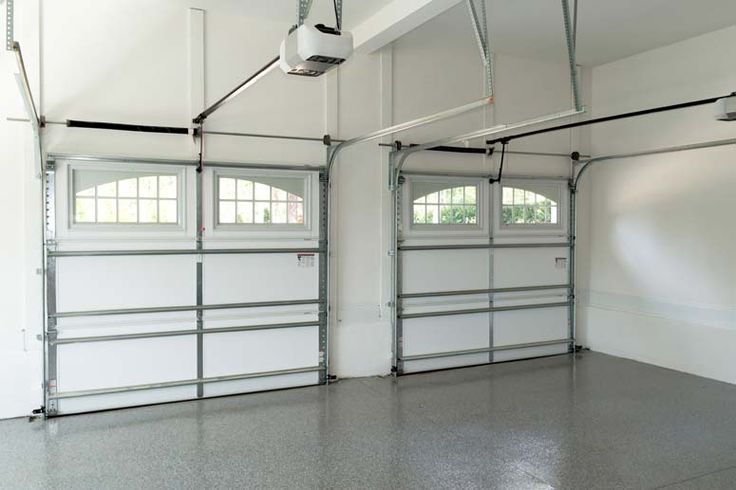
If you’ve ever pressed your garage door remote only to see the door stop midway, you’re not alone. Many homeowners encounter this issue, and it can be both confusing and inconvenient. Understanding why a garage door gets stuck at the halfway point is the first step toward a solution. This guide breaks down the most common causes, explains what’s happening behind the scenes, and offers practical steps for troubleshooting and resolving the problem—even if you’re new to garage door mechanics.
Whether you’re dealing with a stubborn door for the first time or want to prevent future issues, learning the basics will help you make informed decisions. We’ll also point you to helpful resources, such as this detailed article on how to fix garage door sensor mounting on metal studs, which covers related sensor problems that might be affecting your setup.
Common Reasons a Garage Door Stops Midway
When a garage door only opens or closes halfway, the underlying cause is usually mechanical, electrical, or related to safety features. Here are the most frequent culprits:
- Obstructions or debris in the door’s path can trigger safety sensors, causing the door to reverse or halt.
- Misaligned or dirty sensors may prevent the door from completing its cycle.
- Broken springs or worn cables can make it physically impossible for the opener to lift the door fully.
- Incorrect travel or force settings on the opener might stop the door prematurely.
- Lack of lubrication on tracks, rollers, or hinges can increase resistance and strain the opener.
- Electrical issues such as faulty wiring or a weak motor can interrupt operation.
Each of these problems can cause your garage door to behave unpredictably. Identifying the specific issue is key to finding the right fix.
How Safety Sensors Affect Door Movement
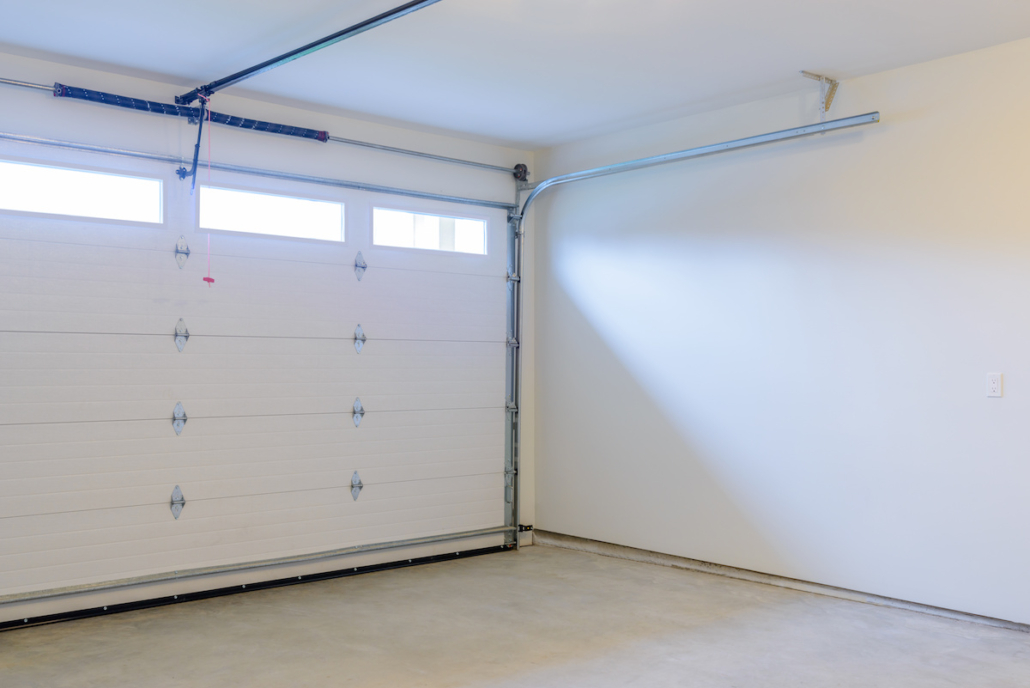
Modern garage doors are equipped with safety sensors that detect obstacles in the door’s path. If these sensors are blocked, dirty, or misaligned, they can send a signal to the opener to stop or reverse the door, often resulting in it stopping halfway.
To check if your sensors are the issue:
- Inspect both sensors at the base of the door tracks for dirt, cobwebs, or debris.
- Ensure the sensors are facing each other directly and the indicator lights are solid (not blinking).
- Gently clean the lenses with a soft cloth.
- Test the door again to see if the problem persists.
If the sensors are still not working correctly, you might find more troubleshooting tips in this resource on why is my garage door sensor light blinking twice.
Mechanical Issues That Cause Stoppages
Sometimes, the problem lies in the physical components of the door system. Here’s what to look for:
- Springs: If a spring is broken or worn out, the opener may not have enough force to lift the door all the way.
- Cables: Frayed or loose cables can also prevent smooth operation.
- Tracks and Rollers: Bent tracks or damaged rollers can create resistance, causing the door to stop.
- Hinges: Worn hinges may cause the door to bind or stick at certain points.
Regular inspection and maintenance can help catch these issues early. If you notice any broken or worn parts, it’s best to consult a professional for repairs.

Adjusting Opener Settings for Smooth Operation
Most garage door openers have adjustable settings for travel distance and force. If these are set incorrectly, the opener may interpret normal resistance as an obstruction and stop the door early.
- Locate the adjustment dials or screws on your opener (usually labeled “up force,” “down force,” “up limit,” or “down limit”).
- Consult your opener’s manual for specific instructions on adjusting these settings.
- Make small adjustments and test the door after each change.
If you’re unsure about making these adjustments, consider reaching out to a professional technician. For more on electrical troubleshooting, see this article on why is my garage door sensor transmitter dead.
Lubrication and Regular Maintenance
Lack of lubrication is a common cause of garage doors stopping partway. Over time, tracks, rollers, and hinges can dry out, increasing friction and making it harder for the opener to move the door.
- Apply a garage door lubricant spray to all moving parts, including rollers, hinges, and springs (avoid using grease, which can attract dirt).
- Wipe away excess lubricant to prevent buildup.
- Repeat this process every six months for optimal performance.
Keeping your garage door system well-lubricated can prevent many common issues and extend the life of your equipment.
When to Call a Professional
While many minor issues can be resolved with basic troubleshooting, some problems—such as broken springs, damaged cables, or persistent electrical faults—require expert attention. Attempting to repair these components yourself can be dangerous.
If you’ve tried the above steps and your door still won’t operate correctly, it’s time to contact a qualified technician. For more insight into why doors may reopen after closing halfway, see this comprehensive explanation of garage door halfway issues.
Preventing Future Problems
Preventive maintenance is the best way to avoid recurring issues. Here are some tips:
- Inspect sensors, tracks, and moving parts monthly.
- Lubricate as recommended by the manufacturer.
- Test the door’s balance by disconnecting the opener and lifting the door manually—it should stay open halfway without assistance.
- Address minor issues promptly to prevent bigger problems.
For more DIY tips, check out this guide on how to fix garage door sensor wiring using electrical tape.
Frequently Asked Questions
Why does my garage door stop and reverse halfway?
This usually happens due to blocked or misaligned safety sensors, obstructions in the door’s path, or incorrect opener settings. Mechanical issues like broken springs or cables can also cause the door to reverse or stop unexpectedly.
Can I fix a garage door that stops partway myself?
Many minor issues, such as cleaning sensors or lubricating moving parts, can be handled by homeowners. However, repairs involving springs, cables, or electrical components should be left to professionals for safety reasons.
How often should I maintain my garage door to prevent halfway stoppages?
It’s best to inspect and lubricate your garage door system every six months. Regular checks help catch small problems before they become major issues, ensuring smooth and reliable operation.