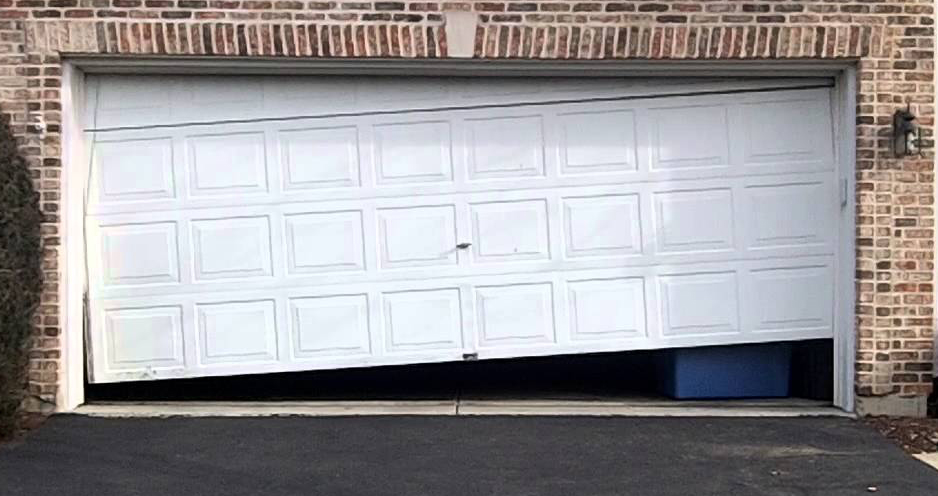
A garage door that stops or gets stuck halfway can be a source of frustration and inconvenience for any homeowner. Regular upkeep is essential to keep your garage door operating smoothly, prevent unexpected breakdowns, and extend its lifespan. This garage door halfway maintenance guide is designed to help you understand why doors often stall at the midpoint, how to troubleshoot common issues, and what steps you can take to maintain your system for reliable performance.
By following the practical steps outlined here, you’ll not only reduce the risk of your garage door halting unexpectedly but also improve the safety and efficiency of your entire garage entry system. If you’re interested in more detailed sensor troubleshooting, you might also find value in our resource on how to fix garage door sensor mounting on metal studs.
Understanding Why Garage Doors Stop Midway
When a garage door halts at the halfway point, it’s usually a sign of an underlying issue. The most common causes include misaligned tracks, worn rollers, faulty sensors, or problems with the opener’s settings. Environmental factors such as temperature changes can also affect the door’s movement, especially if components are not properly lubricated or maintained.
According to experts, a door that consistently stops midway may also be experiencing issues with its balance or spring tension. If the springs are too tight or too loose, the opener may struggle to lift the door, causing it to stop for safety reasons.
Essential Steps for Preventing Halfway Stoppage
Consistent maintenance is the key to preventing your garage door from getting stuck. Here are the most important tasks every homeowner should perform:
- Inspect and clean the tracks: Dirt, debris, or dents in the tracks can obstruct the door’s movement. Wipe the tracks clean and check for any visible damage.
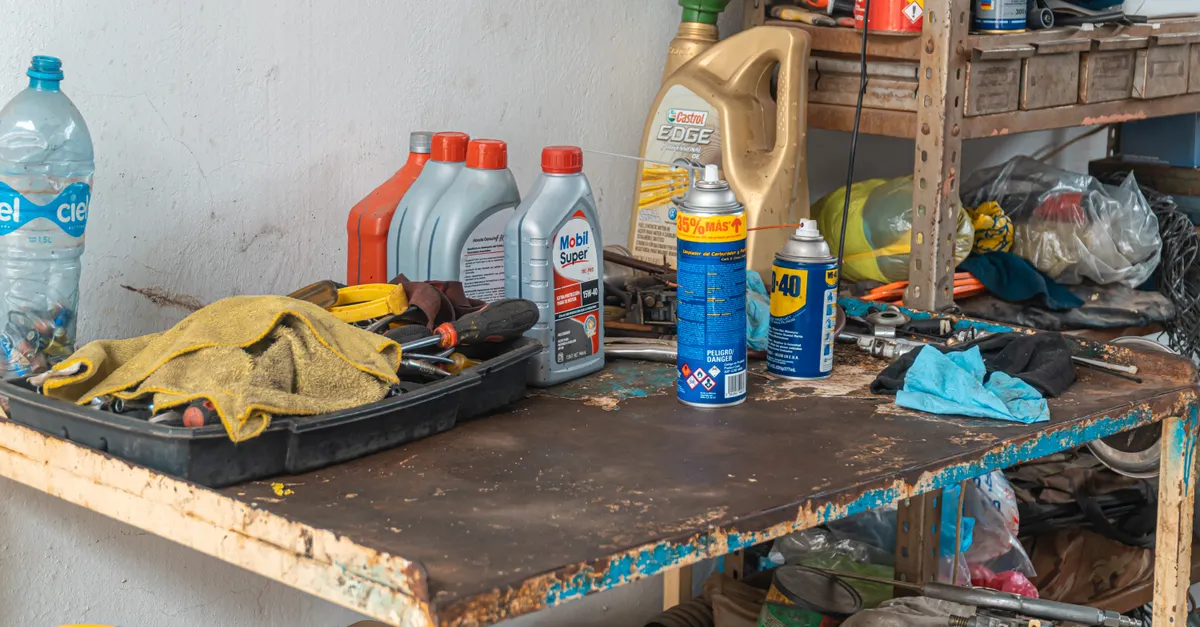
- Lubricate moving parts: Use a high-quality garage door lubricant spray on rollers, hinges, and springs to reduce friction and wear.
- Test the balance: Disconnect the opener and manually lift the door. It should stay open about halfway. If it falls or rises, the springs may need adjustment.
- Check the sensors: Ensure that the safety sensors are aligned and free from dust or obstructions. Misaligned sensors can cause the door to stop or reverse unexpectedly.
- Examine the opener settings: Adjust the force and travel limits according to the manufacturer’s instructions to ensure smooth operation.
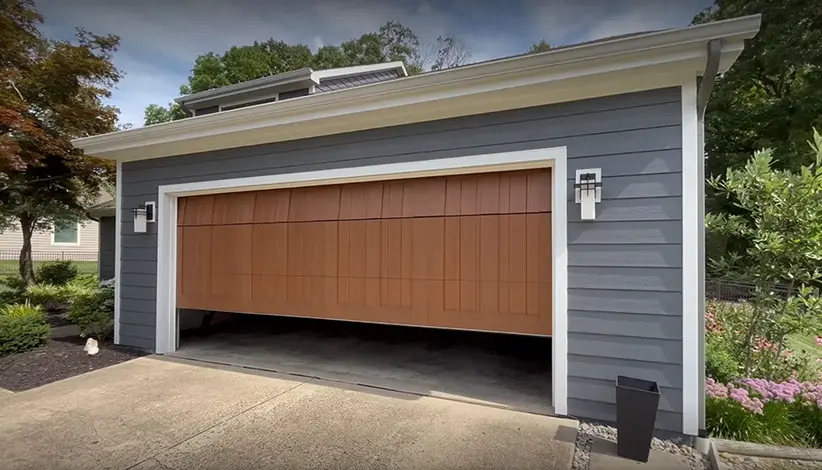
Common Problems and How to Troubleshoot Them
Even with regular upkeep, issues can arise that cause your garage door to stop partway. Here’s how to identify and address the most frequent problems:
Track and Roller Issues
Bent or misaligned tracks can prevent the door from moving smoothly. Inspect both sides for visible bends or gaps. If rollers are worn or cracked, replace them promptly. Keeping these components in good condition is crucial for uninterrupted operation.
Sensor Misalignment
Safety sensors are designed to stop the door if something is in its path. However, if they become misaligned or dirty, they may falsely detect an obstruction. Clean the lenses and ensure both sensors are facing each other at the same height.
For more detailed troubleshooting, you can explore our article on why is my garage door sensor light blinking twice.
Opener Settings and Power Issues
Sometimes, the opener’s force or travel settings are not properly calibrated. Refer to your opener’s manual to adjust these settings, especially if the door is heavy or has recently been repaired. Power interruptions or weak batteries in remote controls can also cause erratic behavior.
Routine Maintenance Checklist for Homeowners
Following a simple maintenance routine can help you avoid most issues that cause a garage door to stop midway. Use this checklist as a guide:
- Visually inspect all hardware (hinges, brackets, fasteners) for signs of wear or loosening.
- Test the auto-reverse safety feature monthly by placing a small object in the door’s path.
- Listen for unusual noises during operation, such as grinding or squeaking, which may indicate a need for lubrication or adjustment.
- Replace weatherstripping if it becomes cracked or brittle to maintain a proper seal and smooth movement.
- Schedule professional service annually for spring and cable inspection, as these parts are under high tension and can be dangerous to adjust yourself.
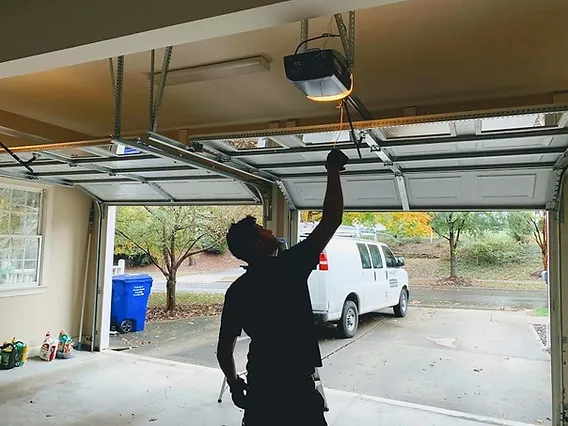
When to Call a Professional for Garage Door Issues
While many maintenance tasks can be handled by homeowners, some situations require the expertise of a trained technician. If you notice broken springs, frayed cables, or persistent issues after troubleshooting, it’s best to seek professional help. Attempting repairs on high-tension components can be dangerous without the right tools and experience.
For more information on common causes and solutions for doors that stop partway, you can review this comprehensive explanation of why garage doors stop halfway.
Additional Resources for Garage Door Maintenance
Staying informed about garage door care can help you address problems before they escalate. Explore more tips and troubleshooting guides, such as our article on how to fix garage door sensor wiring using electrical tape, to expand your knowledge and keep your system in top condition.
Frequently Asked Questions
What should I do if my garage door only opens halfway and then stops?
Start by checking for obstructions on the tracks and ensuring the sensors are clean and aligned. Lubricate all moving parts and inspect the opener’s settings. If the problem persists, the springs or cables may need adjustment by a professional.
How often should I perform maintenance on my garage door?
Basic maintenance such as cleaning tracks and lubricating moving parts should be done every few months. Safety feature testing and visual inspections are recommended monthly, while a professional inspection should be scheduled annually.
Can I adjust garage door springs myself?
It’s not recommended for homeowners to adjust springs on their own, as they are under high tension and can cause serious injury if handled improperly. Always contact a qualified technician for spring repairs or adjustments.