When a garage door stops halfway, it can be both frustrating and concerning. Understanding whether the problem is mechanical or electronic is essential for effective troubleshooting and repair. This guide explores the most common reasons a garage door might get stuck mid-cycle, how to distinguish between physical and control-related issues, and practical steps for diagnosis and resolution.
Homeowners often encounter this issue when their garage door halts unexpectedly, refusing to open or close fully. By identifying whether the root cause is mechanical—such as broken springs or misaligned tracks—or electronic, like faulty sensors or opener malfunctions, you can save time and avoid unnecessary repairs. For those dealing with sensor issues, you may also find it helpful to review how to fix garage door sensor mounting on metal studs for additional troubleshooting tips.

Recognizing Mechanical Problems That Stop a Garage Door Midway
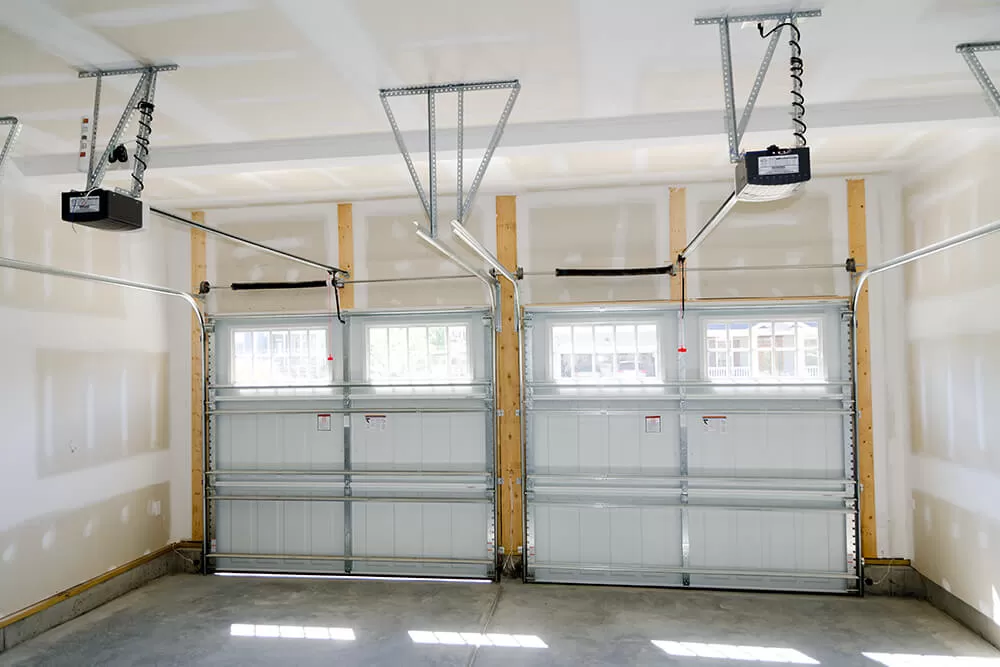
Mechanical issues are among the most frequent reasons a garage door gets stuck partway. These problems are typically related to the physical components of the door system. Here are some signs and causes to look for:
- Broken or Worn Springs: Torsion and extension springs counterbalance the weight of the door. If a spring breaks or loses tension, the opener may not have enough force to lift or lower the door completely.
- Damaged or Misaligned Tracks: Tracks guide the rollers as the door moves. Bends, dents, or misalignment can cause the door to jam or stop unexpectedly.
- Worn Rollers: Rollers that are old, rusty, or broken can create friction, making it difficult for the door to move smoothly.
- Obstructions: Objects or debris in the tracks can physically block the door’s path, causing it to halt.
- Lack of Lubrication: Dry or sticky moving parts can increase resistance, leading the opener to stop the door as a safety precaution.
Regular inspection and maintenance can help prevent these issues. If you notice grinding noises, uneven movement, or visible wear on components, addressing these mechanical faults is the first step in restoring proper operation.
Electronic Issues That Cause a Garage Door to Stop Halfway
Not all problems are mechanical. Many modern garage doors rely on electronic systems for safe and efficient operation. When the door halts mid-cycle, electronic faults are a common culprit. Here are some typical electronic causes:
- Faulty Sensors: Safety sensors at the base of the door detect obstructions. If they are misaligned, dirty, or malfunctioning, the opener may interpret a false blockage and stop the door.
- Opener Limit Settings: The opener’s limit switches control how far the door travels. Incorrect settings can cause the door to stop too soon or not close fully.
- Electrical Interference or Power Issues: Fluctuations in power supply or interference from nearby devices can disrupt the opener’s operation.
- Worn or Damaged Wiring: Frayed or loose wires can interrupt signals between the opener and sensors, causing erratic behavior.
- Malfunctioning Remote or Wall Switch: Problems with the controls themselves can prevent the door from receiving the correct open/close command.
Electronic faults often require a different troubleshooting approach. Checking sensor alignment, cleaning lenses, and resetting the opener are good starting points. For more advanced issues, such as programming a new remote, resources like this guide to programming a garage door opener can be helpful.
How to Diagnose Whether the Problem Is Mechanical or Electronic
Distinguishing between mechanical and electronic causes is crucial for efficient repairs. Here’s a step-by-step approach to help you identify the source of the problem:
- Observe the Door’s Movement: Does the door move smoothly until it stops, or does it jerk, grind, or tilt? Smooth movement followed by a sudden stop often points to an electronic issue, while jerky or uneven motion suggests a mechanical fault.
- Listen for Unusual Sounds: Grinding, squeaking, or banging noises typically indicate physical wear or obstructions.
- Test Manual Operation: Disconnect the opener by pulling the emergency release cord. Try moving the door by hand. If it moves freely, the problem is likely electronic. If it’s heavy or stuck, mechanical issues are more probable.
- Check the Sensors: Inspect the safety sensors for alignment and cleanliness. If the indicator lights are off or blinking, realign or clean them.
- Inspect Tracks and Rollers: Look for visible damage, debris, or misalignment in the tracks and rollers.
- Review Opener Settings: Consult your opener’s manual to check and adjust the limit switches if necessary.
By following these steps, you can quickly narrow down the cause and decide whether to address the issue yourself or call a professional.
Preventative Maintenance for Garage Door Reliability
Regular maintenance is key to preventing both mechanical and electronic issues. Here are some tips to keep your garage door operating smoothly:
- Lubricate Moving Parts: Apply a high-quality lubricant to springs, rollers, and hinges every few months to reduce friction and wear.
- Inspect and Clean Tracks: Remove debris and check for bends or misalignment. Clean tracks with a damp cloth and ensure they are free of obstructions.
- Test Safety Features: Regularly check the function of sensors and auto-reverse mechanisms to ensure proper operation.
- Check Opener Settings: Review and adjust the opener’s force and limit settings as needed, especially after any repairs or changes to the door.
- Monitor for Unusual Noises: Address squeaks, grinding, or banging sounds promptly to prevent further damage.
By staying proactive, you can extend the life of your garage door system and minimize unexpected breakdowns. For more sensor-related troubleshooting, see why is my garage door sensor indicator light missing for additional insights.
When to Call a Professional for Garage Door Issues
While many minor problems can be addressed with basic tools and maintenance, some situations require expert attention:
- Broken Springs: Replacing torsion or extension springs is dangerous and should be handled by trained technicians.
- Major Track or Panel Damage: Significant structural issues may require specialized tools and expertise.
- Persistent Electronic Faults: If resetting, cleaning, and adjusting do not resolve electronic malfunctions, professional diagnosis is recommended.
- Repeated Stoppages: If your door continues to stop halfway despite troubleshooting, a comprehensive inspection can identify hidden problems.
Timely professional intervention can prevent further damage and ensure safe operation of your garage door system.
FAQ
Why does my garage door only open or close halfway?
This issue can be caused by either mechanical faults, such as broken springs or misaligned tracks, or electronic problems like faulty sensors or incorrect opener settings. Diagnosing the specific cause involves checking both the physical components and the electronic controls.
How can I tell if the problem is mechanical or electronic?
Start by disconnecting the opener and moving the door manually. If it moves smoothly, the issue is likely electronic. If it’s heavy, stuck, or uneven, mechanical problems are more probable. Also, check for sensor alignment and listen for unusual noises.
Can I fix a garage door that stops halfway myself?
Many minor issues, such as cleaning sensors or lubricating moving parts, can be handled by homeowners. However, repairs involving springs, major track adjustments, or persistent electronic faults should be left to professionals for safety reasons.
What maintenance can prevent my garage door from getting stuck?
Regularly lubricate moving parts, clean and inspect tracks, test safety sensors, and check opener settings. Promptly address any unusual noises or irregular movement to prevent bigger problems.
Where can I find more information about garage door sensors?
For detailed troubleshooting, see resources like how to fix garage door sensor bracket bending and why is my garage door sensor light turning off and on for additional guidance.