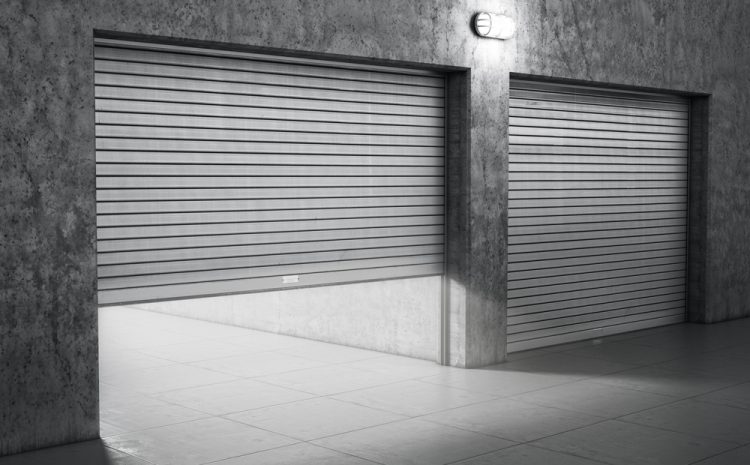
A garage door that stops midway can be both inconvenient and concerning. Whether you’re leaving for work or returning home, a door that won’t fully open or close disrupts your day and can even compromise your home’s security. Understanding the right garage door halfway troubleshooting steps is essential for resolving the issue efficiently and safely.
This guide covers the most common causes and solutions for a garage door that gets stuck partway. We’ll walk through practical checks, adjustments, and repairs you can perform yourself, as well as signs that it’s time to call a professional. If you’re dealing with related sensor issues, you may also find our resource on how to fix garage door sensor mounting on metal studs helpful.
Common Reasons a Garage Door Stops Midway
When a garage door halts before reaching the top or bottom, several factors could be at play. Identifying the root cause is the first step in resolving the problem. Here are the most frequent culprits:
- Obstructions or debris blocking the tracks or sensors
- Misaligned or dirty safety sensors
- Worn or damaged rollers and tracks
- Issues with the garage door opener or its settings
- Broken or loose cables and springs
- Improperly set travel limits or force adjustments
Initial Inspection: Safety First
Before starting any troubleshooting, make sure to prioritize safety. Disconnect the opener using the emergency release cord, and never attempt to repair high-tension springs or cables yourself. If you notice frayed cables, broken springs, or hear loud noises, contact a professional immediately.
Step-by-Step Guide to Diagnosing a Stuck Garage Door
The following steps will help you systematically identify and address the most common issues that cause a garage door to stop halfway. Each step is designed to be approachable for homeowners, but always use caution and stop if you feel unsure.
1. Check for Physical Obstructions
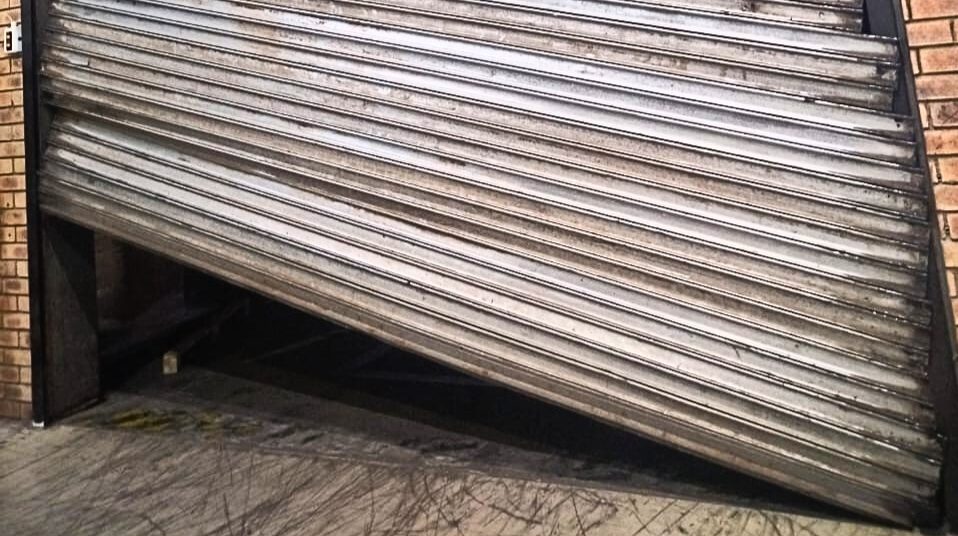
Inspect the tracks on both sides of the door for any objects, debris, or buildup that could impede movement. Even small items like stones or leaves can cause the door to halt. Clear any obstructions and wipe down the tracks with a clean cloth.
2. Examine and Align the Safety Sensors
Modern garage doors use photo-eye sensors to prevent accidents. If these sensors are misaligned or dirty, the door may stop or reverse unexpectedly. Make sure both sensors are facing each other and their indicator lights are steady. Clean the lenses with a soft cloth and realign them if necessary.
If you’re experiencing sensor-related problems, such as blinking lights or inconsistent operation, our article on why is my garage door sensor light blinking twice provides targeted solutions.
3. Inspect Tracks, Rollers, and Hinges
Bent tracks or worn rollers can cause the door to bind or stick. Check for visible damage, bends, or warping along the tracks. Rollers should spin smoothly and not wobble. Lubricate rollers, hinges, and tracks with a garage door lubricant spray to ensure smooth operation.
4. Review the Opener Settings and Limits
The opener’s travel limits and force settings determine how far and how hard the door moves. If these are set incorrectly, the door may stop short. Consult your opener’s manual to locate the adjustment screws, usually found on the opener unit. Make small adjustments and test the door after each change.
5. Evaluate Springs and Cables
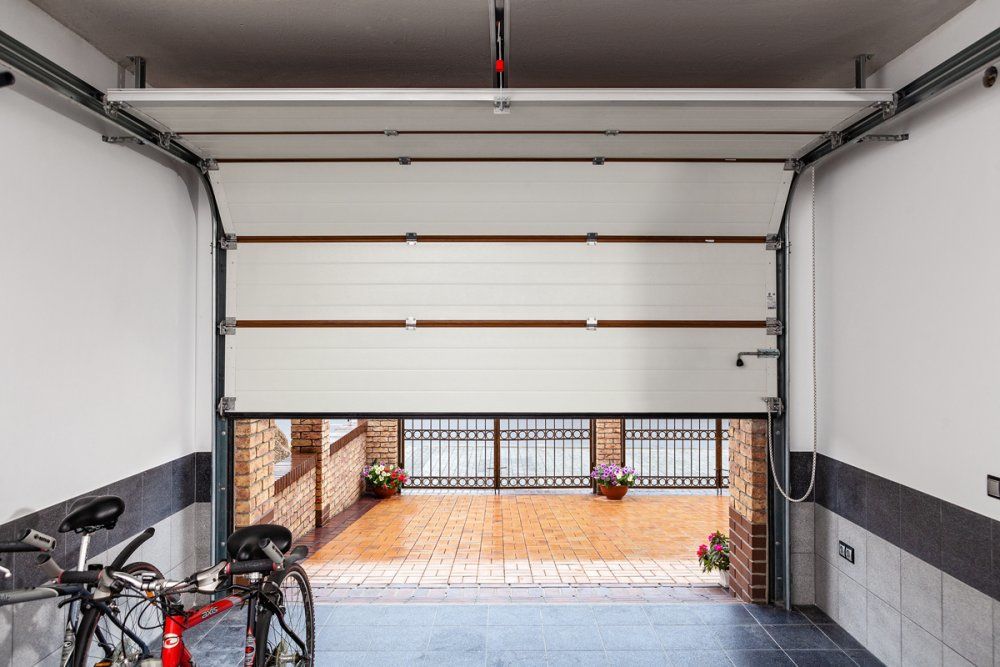
Torsion and extension springs provide the lifting force for your door. If a spring breaks or loses tension, the opener may struggle to move the door past the halfway point. Similarly, loose or frayed cables can cause uneven movement. If you suspect an issue here, do not attempt repairs yourself—these components are under high tension and can be dangerous.
Advanced Troubleshooting and When to Call a Professional
If you’ve followed the above steps and your garage door still won’t operate smoothly, it may be time for more advanced diagnostics. Electrical issues, faulty circuit boards, or worn-out openers often require specialized tools and expertise. In these cases, hiring a qualified technician is the safest and most efficient solution.
For a deeper dive into why doors stop partway, see this comprehensive guide on causes for garage doors stopping halfway.
Preventive Maintenance Tips
Regular upkeep can help avoid many of the issues that cause a garage door to get stuck. Here’s how to keep your system in top shape:
- Clean and lubricate tracks, rollers, and hinges every few months
- Test the door’s balance by disconnecting the opener and lifting manually—it should stay open about halfway
- Check sensor alignment and clean lenses regularly
- Inspect cables and springs for wear (but leave repairs to professionals)
- Listen for unusual noises that could indicate developing problems
If you encounter sensor wiring issues, our article on how to fix garage door sensor wiring using electrical tape offers step-by-step instructions.
FAQ: Garage Door Stops Halfway
Why does my garage door only open or close partway?
The most common causes are obstructions in the tracks, misaligned sensors, damaged rollers, or incorrect opener settings. Mechanical issues like broken springs or cables can also prevent full movement.
Can I fix a garage door that gets stuck halfway myself?
Many issues, such as cleaning tracks, aligning sensors, or adjusting opener settings, can be handled by homeowners. However, repairs involving springs or cables should always be left to professionals due to the risk of injury.
How can I prevent my garage door from getting stuck?
Routine maintenance—cleaning, lubricating, and inspecting moving parts—goes a long way. Address minor issues promptly to avoid bigger problems. For persistent sensor problems, see our guide on how to fix garage door sensor hum or buzz.
What should I do if my garage door opener is making noise but the door doesn’t move?
This could indicate a broken drive gear, stripped trolley, or a disengaged emergency release. Check the opener’s connection to the door and inspect for obvious damage. If the problem persists, consult a technician.
By following these garage door halfway troubleshooting steps and performing regular maintenance, you can keep your system running smoothly and avoid unexpected breakdowns. Always prioritize safety and don’t hesitate to seek professional help for complex or dangerous repairs.