Garage door keypads have become a standard convenience for homeowners, allowing secure and keyless access to the garage. However, not all keypads are created equal when it comes to longevity and performance. Understanding the garage door keypad durability factors can help you make informed decisions, whether you’re installing a new system or troubleshooting an existing one. This article explores the essential elements that impact how long your keypad lasts and how well it withstands daily use and environmental challenges.
When evaluating a keypad’s resilience, it’s important to consider not only the quality of its construction but also how it responds to weather, frequency of use, and maintenance routines. For those dealing with related garage door issues, such as sensor problems, you may find it helpful to review how to fix garage door sensor mounting on metal studs to ensure your entire system remains reliable.
Key Materials That Influence Longevity
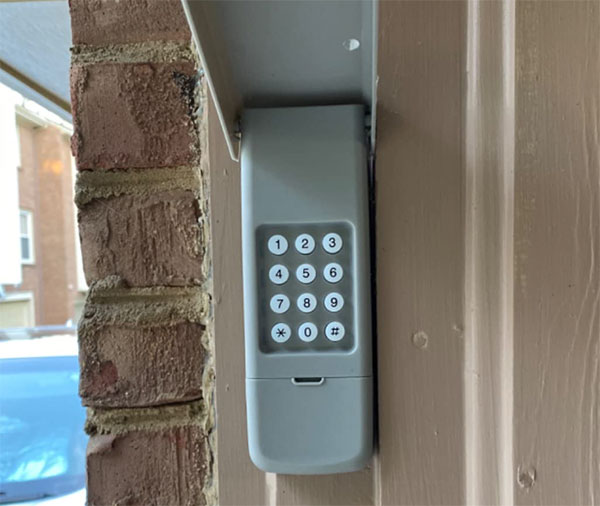
The choice of materials is one of the most significant garage door keypad durability factors. Most keypads are made from plastic, but the type and quality of plastic can vary. High-grade, UV-resistant plastics are less likely to crack, fade, or become brittle when exposed to sunlight and temperature swings. Some premium models incorporate rubberized buttons or weatherproof seals to further protect internal electronics from moisture and dust.
Metal keypads, though less common, offer enhanced protection against impacts and vandalism. However, they may be prone to corrosion if not properly treated or installed in humid environments. When comparing options, look for models with reinforced housings and gaskets that keep out rain and debris.
Weather Resistance and Environmental Protection
Outdoor keypads face a range of environmental hazards, from rain and snow to extreme heat and cold. Effective weatherproofing is a critical aspect of keypad durability. Features such as sealed enclosures, water-resistant membranes, and drainage channels help prevent water ingress that could short-circuit the electronics.
UV resistance is equally important, as prolonged sun exposure can degrade plastics and cause buttons to become sticky or unresponsive. If you live in an area with harsh winters or hot summers, opt for a keypad rated for wide temperature ranges and with proven weatherproofing credentials.
Impact of Usage Frequency and User Habits
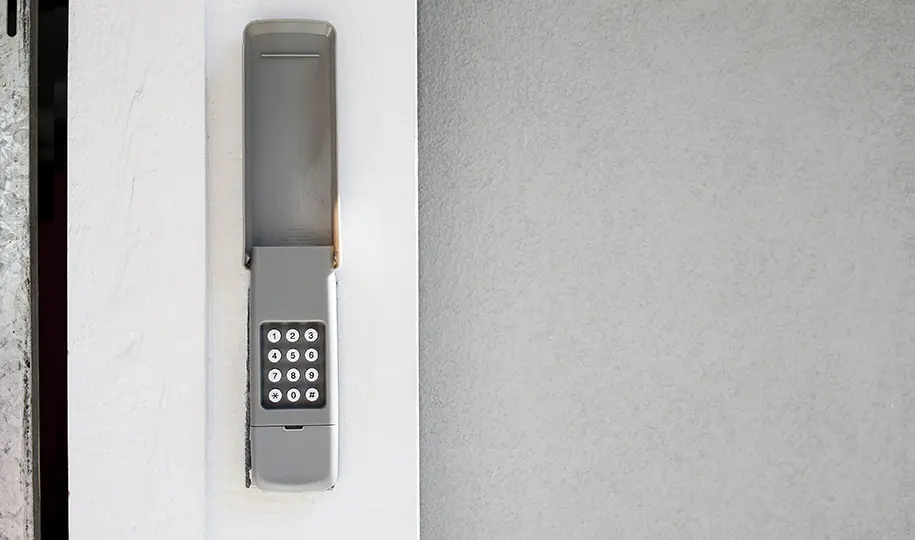
How often a keypad is used directly affects its lifespan. Keypads installed in busy households or multi-family residences experience more wear and tear on buttons and internal switches. Over time, frequent pressing can cause buttons to lose responsiveness or even fail.
Gentle use and avoiding excessive force when entering codes can help prolong the life of the buttons. Some models are designed with tactile feedback or backlit keys, which not only improve usability but also reduce the need for repeated presses. If you notice inconsistent performance, it may be a sign that the keypad is reaching the end of its service life.
Battery Life and Power Considerations
Most wireless garage keypads rely on batteries for power. The type and quality of batteries, as well as the efficiency of the keypad’s circuitry, play a role in overall durability. Frequent battery changes can expose internal components to dust and moisture, especially if the battery compartment isn’t well-sealed.
Choose keypads with low-battery indicators and easy-access compartments that don’t compromise the weatherproof seal. Using high-quality, long-life batteries and replacing them before they are fully depleted can help maintain consistent performance and prevent corrosion from battery leaks.
Installation Quality and Placement
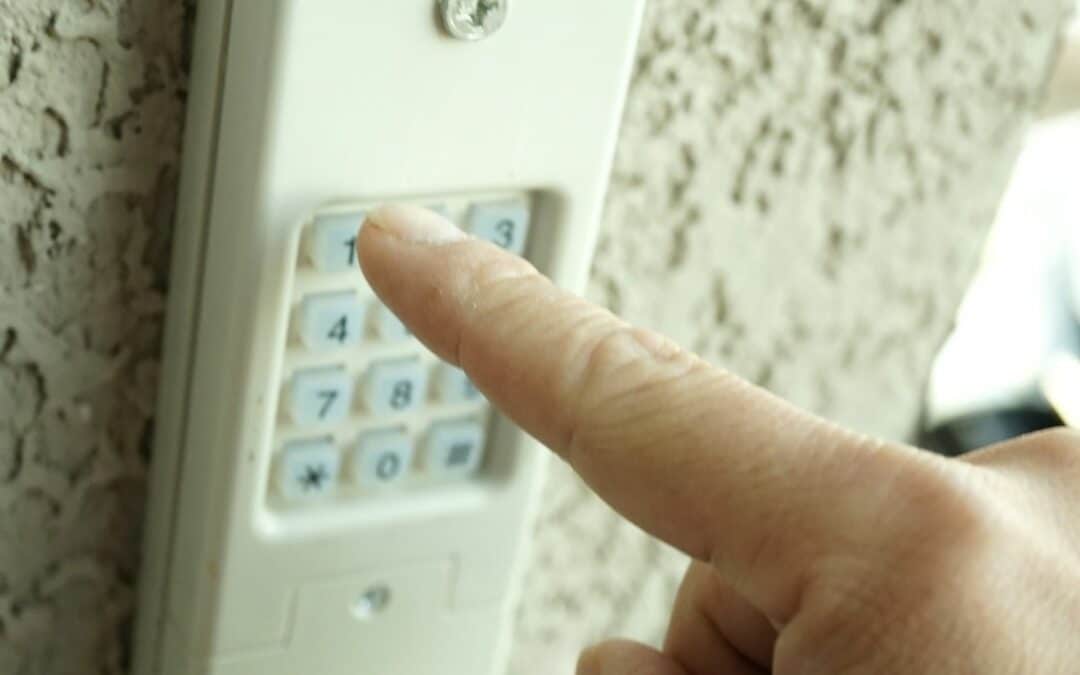
Proper installation is another key element in maximizing the durability of your keypad. Mounting the device on a stable, vertical surface helps prevent water pooling and reduces the risk of accidental damage. Avoid placing the keypad in locations where it will be directly exposed to sprinklers, roof runoff, or heavy foot traffic.
Incorrect installation can lead to premature failure, especially if screws are overtightened or the housing is warped. Always follow the manufacturer’s guidelines and use the recommended mounting hardware. If you encounter issues with your garage door sensors after installation, resources like why is my garage door sensor indicator light missing can help you troubleshoot related problems.
Maintenance Practices That Extend Lifespan
Regular maintenance is essential for keeping your keypad in optimal condition. Simple steps such as cleaning the keypad face with a damp cloth, checking for signs of wear, and inspecting the battery compartment for corrosion can prevent many common issues.
It’s also wise to periodically test the keypad’s responsiveness and reprogram codes if you notice any lag or malfunction. For keypads exposed to harsh environments, consider applying a light silicone sealant around the edges to reinforce the weatherproof barrier. Maintenance routines should be scheduled at least twice a year, ideally before the start of winter and summer.
Security and Tamper Resistance
Durability isn’t just about withstanding the elements—it’s also about resisting tampering and unauthorized access. Many modern keypads include features such as lockout modes after repeated incorrect entries, tamper alarms, and secure mounting options to deter theft or vandalism.
Look for models with encrypted signal transmission and robust mounting brackets. For more insights on keypad selection and security, you can consult this comprehensive guide to choosing garage door keypads for additional considerations.
Common Signs of Wear and When to Replace
Even the best-maintained keypads will eventually show signs of aging. Common indicators that it’s time for a replacement include:
- Buttons that stick, fail to register, or require excessive pressure
- Faded or unreadable numbers
- Intermittent operation or failure to communicate with the opener
- Visible cracks, warping, or water damage
- Frequent battery drain or corrosion in the battery compartment
Addressing these issues promptly can help prevent security risks and ensure uninterrupted access to your garage. If you’re experiencing related sensor issues, guides such as how to fix garage door sensor from shifting due to temperature may also be useful.
Frequently Asked Questions
How long should a garage door keypad last?
With proper installation and regular maintenance, a quality keypad can last anywhere from five to ten years. Environmental exposure, frequency of use, and build quality are the most significant factors influencing lifespan.
What can I do to make my keypad last longer?
Choose a weather-resistant model, install it in a sheltered location, and perform regular maintenance such as cleaning and battery checks. Avoid using excessive force on the buttons and replace batteries before they are fully depleted.
Are all keypads compatible with any garage door opener?
No, compatibility depends on the manufacturer and model of both the keypad and the opener. Always check compatibility before purchasing a replacement or upgrade. Universal keypads are available, but it’s best to confirm with your opener’s specifications.
Understanding the main garage door keypad durability factors can help you choose the right model and keep it functioning reliably for years. By paying attention to materials, weatherproofing, installation, and maintenance, you’ll ensure your keypad stands up to daily use and the elements. For additional troubleshooting and tips, explore resources like how to fix garage door sensor bracket bending or why is my garage door sensor light turning off and on to keep your entire garage entry system in top shape.