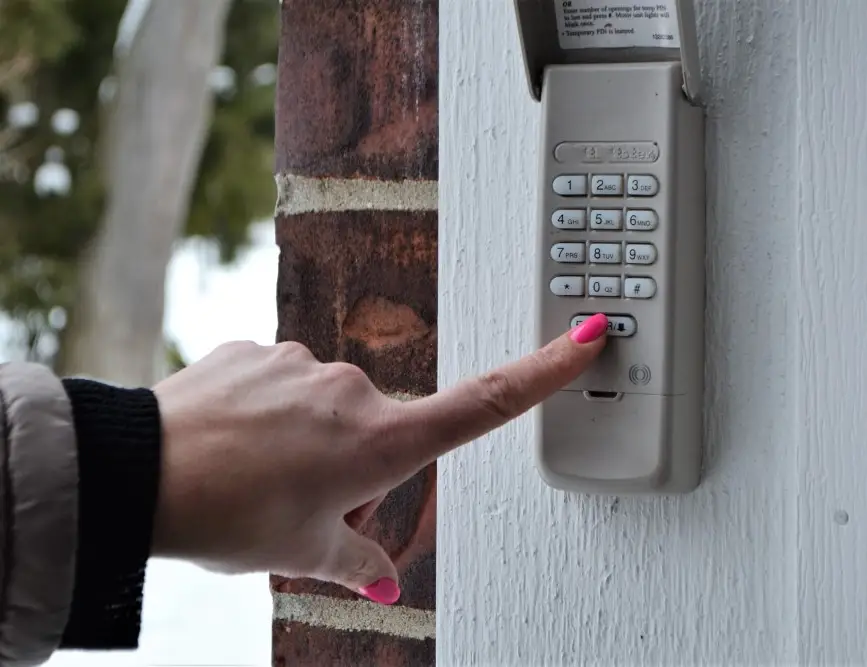
As summer temperatures rise, many homeowners notice their garage door keypads acting up. These outdoor devices are exposed to direct sunlight and fluctuating heat, which can lead to a range of operational problems. Understanding how high temperatures impact your keypad is essential for maintaining reliable access to your garage and preventing unexpected lockouts.
In this article, we’ll break down the most common garage door keypad heat related issues, explain why they happen, and provide practical solutions for troubleshooting and prevention. Whether you’re dealing with sticky buttons, intermittent operation, or total keypad failure, you’ll find actionable advice to keep your entry system working smoothly—even in the hottest months.
If you’re also experiencing problems with your garage door sensors, you might find our guide on how to fix garage door sensor mounting on metal studs helpful for related troubleshooting.
How High Temperatures Affect Garage Door Keypads
Most garage door keypads are designed to withstand a range of weather conditions, but excessive heat can still cause significant problems. The main components at risk include the keypad’s plastic housing, rubber buttons, internal circuit board, and battery compartment.
- Plastic and Rubber Degradation: Prolonged exposure to sunlight can cause the keypad’s exterior to warp, crack, or become brittle. Rubber buttons may become sticky or unresponsive.
- Battery Performance: Heat accelerates battery drain and can even cause batteries to leak or swell, leading to electrical issues.
- Electronic Malfunctions: Circuit boards are sensitive to temperature extremes. Overheating may result in intermittent operation, random code entry, or complete failure.
Common Symptoms of Heat-Related Keypad Problems
Recognizing the signs of garage door keypad heat related issues early can help you take action before the device fails completely. Here are some typical symptoms:
- Buttons feel soft, sticky, or do not spring back after pressing
- Keypad works only during cooler parts of the day
- Random beeping or flashing lights with no input
- Delayed or inconsistent response when entering your code
- Complete keypad failure during heat waves
Diagnosing and Troubleshooting Heat-Induced Keypad Failures
When your keypad starts acting up in hot weather, a systematic approach can help you pinpoint the cause. Here’s how to troubleshoot:
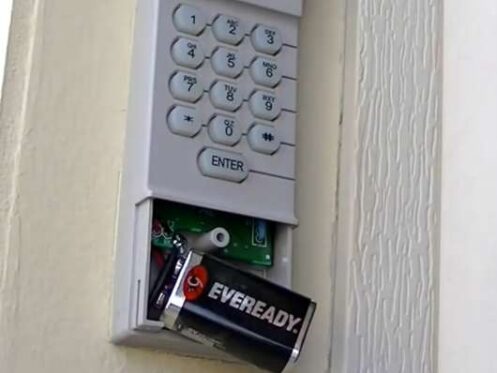
- Check the Battery: Remove the battery cover and inspect for corrosion, swelling, or leakage. Replace with fresh, high-quality batteries and see if performance improves.
- Inspect the Buttons: Gently press each button. If they stick or don’t respond, the rubber may have degraded. Cleaning with a soft, damp cloth can help, but severe cases may require keypad replacement.
- Test at Different Times: If the keypad works in the morning or evening but not in the afternoon, heat is likely the culprit.
- Reset the Keypad: Follow the manufacturer’s instructions to reset or reprogram the keypad. Sometimes, heat can disrupt the memory or code settings.
- Check for Physical Damage: Look for cracks, warping, or discoloration on the keypad housing. Severe heat damage may require a new unit.
For more information on different types of openers and their compatibility with keypads, visit this comprehensive guide to garage door opener types.
Preventing Heat Damage to Your Garage Door Keypad
While some heat exposure is unavoidable, there are several steps you can take to protect your keypad and extend its lifespan:
- Install in a Shaded Area: If possible, mount the keypad on a wall that receives less direct sunlight, or use an awning or cover to provide shade.
- Use UV-Resistant Covers: Aftermarket covers can shield the keypad from both sun and rain, reducing the risk of heat-related issues.
- Regular Maintenance: Clean the keypad regularly to prevent buildup of dust and debris, which can worsen heat effects.
- Replace Batteries Frequently: Change batteries at the start of each summer to ensure reliable operation.
- Upgrade to a Weather-Resistant Model: Some newer keypads are specifically designed to withstand extreme temperatures.
When to Replace Your Keypad
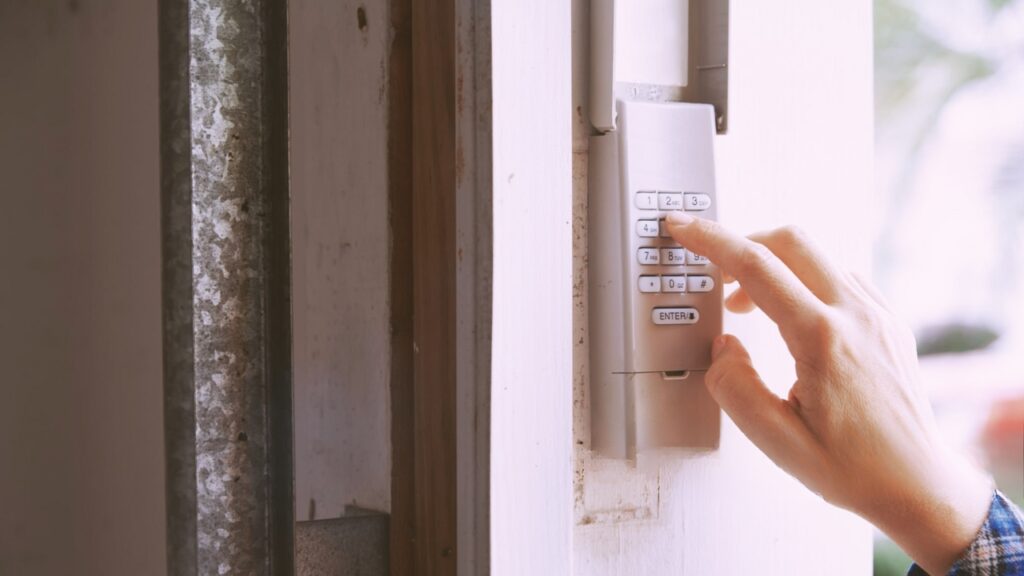
If you’ve tried all troubleshooting steps and your keypad still fails during hot weather, it may be time for a replacement. Signs that you need a new unit include:
- Persistent unresponsiveness, even after battery changes
- Visible melting, warping, or severe discoloration
- Buttons that no longer function or are permanently stuck
- Repeated code entry failures not resolved by resets
Upgrading to a modern, weather-resistant keypad can save you time and frustration. When shopping, look for models with UV protection and high heat tolerance.
Related Troubleshooting Resources
Heat isn’t the only factor that can cause garage entry issues. For problems related to sensors, wiring, or transmitter malfunctions, check out these helpful guides:
- How to Fix Garage Door Sensor Wiring Using Electrical Tape
- Why Is My Garage Door Sensor Transmitter Dead? Quick Guide
- Why Is My Garage Door Sensor Light Blinking Twice? (Solved)
- How to Fix Garage Door Sensor Hum or Buzzing Noise Issues
Frequently Asked Questions
Can extreme heat permanently damage my garage door keypad?
Yes, prolonged exposure to high temperatures can cause irreversible damage to the keypad’s plastic housing, rubber buttons, and internal electronics. If you notice warping, melting, or persistent malfunctions, replacement is usually necessary.
How can I protect my keypad from sun and heat?
The best strategies include installing the keypad in a shaded location, using a UV-resistant cover, and performing regular maintenance. Replacing batteries before the hottest months can also help prevent heat-related failures.
Why does my keypad only work in the morning or evening?
This is a common sign of heat sensitivity. As temperatures drop, the internal components recover enough to function. However, continued exposure to heat may eventually cause permanent failure.
Are some keypads better suited for hot climates?
Yes, some modern keypads are built with weather-resistant materials and enhanced electronics designed for extreme temperatures. When shopping for a replacement, look for models that specify UV and heat resistance.