Garage door keypads are a convenient way to access your garage without needing a remote or key. However, exposure to the elements can lead to problems, especially when moisture finds its way inside the keypad. Garage door keypad moisture intrusion is a common issue that can cause malfunctions, reduce the lifespan of your device, and even compromise the security of your home. Understanding how moisture affects these keypads, recognizing the warning signs, and learning effective prevention and repair strategies can help you keep your garage entry system reliable year-round.
Many homeowners encounter keypad issues after heavy rain, snow, or high humidity. Moisture can seep into the device through cracks, worn seals, or even condensation, leading to electrical shorts or unresponsive buttons. If you’ve noticed your keypad acting up after wet weather, you’re not alone. Addressing this problem early can save you time, money, and frustration.
If you are troubleshooting other garage door sensor issues, you may also find this guide on how to fix garage door sensor mounting on metal studs helpful for related maintenance tips.
How Moisture Gets Inside Garage Door Keypads
Outdoor keypads are designed to withstand weather, but over time, their protective features can wear down. Garage door keypad moisture intrusion typically happens in a few ways:
- Cracked or aging housing: UV exposure and temperature changes can cause the plastic casing to crack, allowing water to enter.
- Worn or missing seals: The rubber gasket or seal around the keypad may degrade, especially on older models, leaving gaps for moisture.
- Improper installation: If the keypad isn’t mounted flush against the wall or is installed in a spot with poor drainage, water can collect and seep inside.
- Condensation: Rapid temperature swings can cause condensation to form inside the keypad, especially in humid climates.
Once moisture is inside, it can corrode contacts, short out circuitry, or cause the buttons to stick and become unresponsive.
Common Symptoms of Moisture-Related Keypad Problems
Recognizing the signs of water damage early can help you take action before the keypad fails completely. Watch for these common symptoms:
- Keypad buttons are unresponsive or require extra pressure
- Random or repeated beeping sounds
- Intermittent operation—sometimes the keypad works, sometimes it doesn’t
- Visible water droplets or condensation inside the keypad cover
- Corrosion or discoloration on the battery terminals or circuit board
- Keypad lights flicker or fail to turn on
If you notice any of these issues, it’s likely that moisture has found its way inside your device.
Preventing Water Damage in Garage Keypads
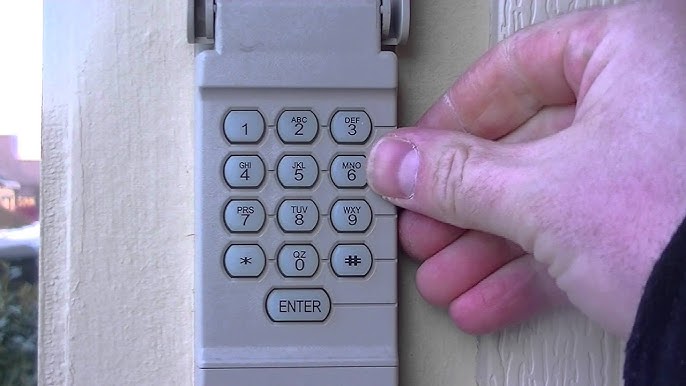
Prevention is the best way to avoid garage door keypad moisture intrusion and the headaches it brings. Here are some practical steps you can take:
- Inspect the keypad regularly: Check for cracks, loose covers, or missing seals. Replace damaged parts promptly.
- Apply weatherproofing: Use a silicone-based sealant around the edges of the keypad and mounting screws to block water entry.
- Install a protective cover: Some manufacturers offer snap-on covers or hoods that shield the keypad from rain and snow.
- Mount in a sheltered location: If possible, install the keypad under an eave or awning to minimize direct exposure to precipitation.
- Replace old or worn units: If your keypad is several years old and showing signs of wear, consider upgrading to a newer, more weather-resistant model.
Taking these steps can significantly reduce the risk of water getting inside and causing problems.
What To Do If Your Keypad Gets Wet
If you suspect your keypad has been compromised by moisture, quick action can sometimes save it:
- Remove the cover and batteries: Open the keypad and take out the batteries to prevent electrical shorts.
- Dry thoroughly: Use a soft cloth to wipe away visible moisture. Leave the keypad open in a dry, warm place for several hours or overnight. Avoid using heat guns or hairdryers, which can damage electronics.
- Check for corrosion: Inspect the battery terminals and circuit board for white or greenish deposits. Clean gently with a cotton swab and a small amount of rubbing alcohol.
- Reassemble and test: Once completely dry, reinsert the batteries and test the keypad. If it still doesn’t work, replacement may be necessary.
Sometimes, even after drying, the keypad may not recover if the circuit board has been damaged. In that case, replacing the unit is often the most reliable solution.

Choosing a Replacement Keypad: Features to Look For
If you need to replace your keypad due to water damage, look for models with improved weather resistance. Here are features to consider:
- Weatherproof rating: Keypads with an IP (Ingress Protection) rating offer better defense against water and dust.
- Sealed buttons: Rubberized or membrane-style buttons are less likely to let water in compared to mechanical buttons.
- Protective covers: Some new models include built-in covers or hoods for extra protection.
- Battery compartment design: Look for units with a sealed battery compartment to prevent corrosion.
- Compatibility: Ensure the new keypad works with your existing garage door opener brand and model.
For more information on keypad options and installation, check out this comprehensive guide to choosing garage door keypads.
Related Troubleshooting and Maintenance Tips
Moisture isn’t the only issue that can affect your garage door system. If you’re experiencing sensor problems, you may want to read about why is my garage door sensor indicator light missing or how to fix garage door sensor from shifting due to temperature. Regular maintenance and prompt repairs can help keep your entire garage entry system working smoothly, regardless of the weather.
FAQ: Moisture and Garage Door Keypads
How can I tell if my garage keypad has water damage?
Common signs include unresponsive or sticky buttons, random beeping, flickering lights, or visible condensation inside the cover. Corrosion on battery terminals is another clear indicator.
Can I waterproof my existing garage keypad?
While you can improve resistance by sealing gaps with silicone and adding a protective cover, no retrofit will make an old keypad completely waterproof. Upgrading to a weather-rated model is the best long-term solution.
Is it safe to use a keypad after it gets wet?
It’s best to remove the batteries and let the unit dry completely before attempting to use it. Using a wet keypad can cause further electrical damage and may be unsafe.
How often should I check my keypad for moisture problems?
Inspect your keypad at least twice a year, especially after heavy rain or snow. Regular checks help catch small issues before they become major problems.
Conclusion
Moisture intrusion is a leading cause of garage keypad failure, but with regular inspection, weatherproofing, and prompt action when problems arise, you can minimize the risk. If your keypad is beyond repair, consider investing in a modern, weather-resistant model to ensure reliable access to your garage in any season.