Garage door sensors are essential safety devices that prevent your garage door from closing on people, pets, or objects. When these sensors malfunction, your garage door may refuse to close or behave unpredictably. Homeowners often wonder whether the issue is due to dirt or a more serious malfunction. Learning how to tell if a garage door sensor is dirty or broken can save you time, money, and frustration.
This guide explains the main signs of sensor problems, how to diagnose whether cleaning is enough, and what steps to take if the sensor is actually faulty. We’ll also cover common troubleshooting steps and when to consider professional help. For more specific sensor issues, such as why is my garage door sensor indicator light missing, you can find detailed advice in our related articles.
Understanding Garage Door Safety Sensors
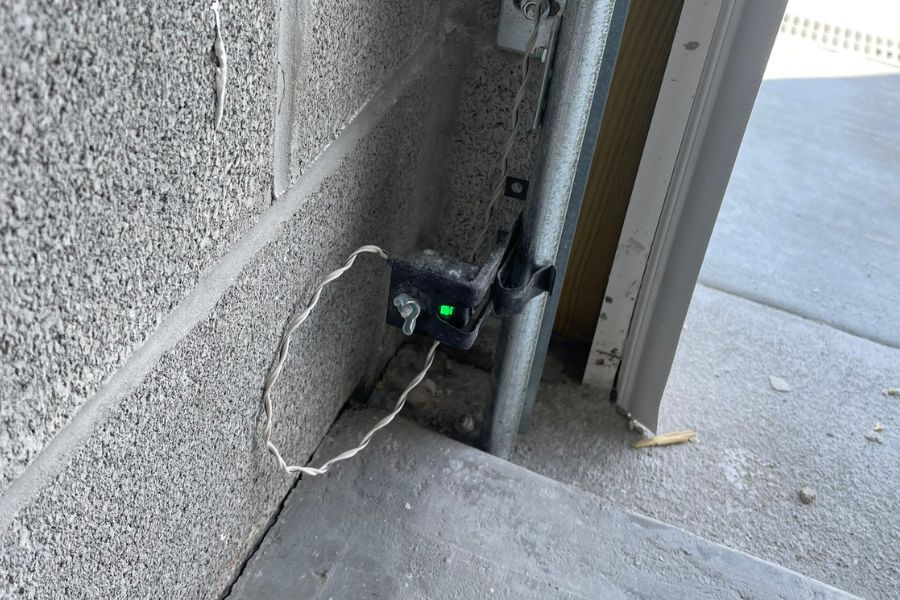
Garage door sensors, also known as photo-eye sensors, are typically installed near the bottom of the door tracks on both sides. They work by sending an invisible beam across the opening. If anything interrupts this beam, the door will not close or will reverse direction. These sensors are a key safety feature, but they are also vulnerable to dirt, misalignment, and damage.
Common Signs of Sensor Issues
Recognizing the symptoms of sensor problems is the first step in troubleshooting. Here are the most frequent indicators that your garage door sensors may need attention:
- Garage door won’t close: The door reverses or won’t move down when you try to close it.
- Flashing sensor lights: Many sensors have indicator lights that blink when there’s a problem.
- Unusual clicking or beeping: Some openers emit sounds to signal sensor issues.
- Door only closes when holding the wall button: This bypasses the safety sensors, indicating a sensor problem.
These symptoms can be caused by either dirt or a malfunction, so further investigation is needed.
How to Check If Sensors Are Dirty
Dirt, dust, spider webs, or even water spots can block the sensor’s beam. Cleaning is a simple first step that often resolves the issue. Here’s how to check and clean your sensors:
- Locate the sensors near the bottom of the garage door tracks.
- Inspect the sensor lenses for visible dirt, dust, or debris.
- Use a soft, dry cloth to gently wipe the lenses. Avoid using abrasive materials that could scratch the surface.
- If needed, dampen the cloth with mild soapy water, then dry the lens thoroughly.
- Check for cobwebs or obstructions around the sensors and remove them.
After cleaning, test the garage door. If it now closes properly, dirt was likely the culprit. If not, further troubleshooting is required.

How to Tell If a Garage Door Sensor Is Broken
If cleaning doesn’t solve the problem, the sensor may be malfunctioning. Here are steps to determine if the sensor is broken rather than just dirty:
- Check the indicator lights: Most sensors have LED lights. A steady light usually means the sensor is working, while a blinking or off light can indicate a problem.
- Test alignment: Sensors must face each other directly. If they’re bumped or shifted, the beam can be disrupted. Gently adjust the sensors until both lights are steady.
- Inspect for physical damage: Cracked, broken, or water-damaged sensors may need replacement.
- Check wiring: Look for loose, frayed, or disconnected wires at the sensor or opener terminals.
- Swap sensors (if possible): If you have two identical sensors, switch their positions. If the problem follows the sensor, it’s likely defective.
If after these checks the door still won’t close and the indicator lights remain off or blinking, the sensor may be broken and require replacement.
Other Causes of Sensor Malfunction
Sometimes, issues are not due to dirt or a faulty sensor. Other possible causes include:
- Sunlight interference: Direct sunlight can disrupt the sensor beam. Try shading the sensor to see if the problem resolves.
- Vibration or shifting: Sensors mounted on metal or exposed to frequent vibration may move out of alignment. For solutions, see our article on how to fix garage door sensor from shifting due to temperature.
- Bracket bending: Damaged mounting brackets can misalign sensors. Learn more about this issue in our guide on how to fix garage door sensor bracket bending.
- Power supply issues: A tripped breaker or unplugged opener can cause sensors to stop working.
Addressing these factors can sometimes restore normal operation without replacing the sensors.

When to Replace Your Garage Door Sensors
If you’ve cleaned the sensors, checked alignment, and inspected for damage but the problem persists, it’s time to consider replacement. Signs that replacement is necessary include:
- No indicator lights on either sensor, even after troubleshooting wiring and power.
- Visible cracks, water damage, or corrosion on the sensor housing.
- The problem follows the sensor when swapped to the other side.
- Repeated failures after temporary fixes.
Replacement sensors are widely available and can often be installed by homeowners. However, if you’re unsure or uncomfortable with electrical work, hiring a professional is recommended.
Additional Troubleshooting Resources
For more in-depth troubleshooting, you may find this comprehensive guide to garage door sensor troubleshooting helpful. If your sensor mounting is on metal studs, see our article on how to fix garage door sensor mounting on metal studs. For issues where the sensor light keeps turning off and on, refer to why is my garage door sensor light turning off and on.
Frequently Asked Questions
What does a blinking garage door sensor light mean?
A blinking light usually indicates that the sensors are misaligned, dirty, or there is an obstruction. Try cleaning the lenses and adjusting the sensors until both lights are steady. If the problem continues, check for wiring or hardware issues.
Can I bypass a faulty garage door sensor?
Most openers allow you to close the door by holding down the wall button, which temporarily bypasses the sensors. However, this disables the safety feature and should only be used as a short-term solution until the sensors are repaired or replaced.
How often should I clean my garage door sensors?
It’s a good idea to inspect and clean your sensors every few months, especially if your garage is exposed to dust, pollen, or insects. Regular maintenance helps prevent malfunctions and extends the life of your sensors.
Conclusion
Knowing how to tell if a garage door sensor is dirty or broken helps you quickly resolve common garage door issues and maintain a safe home environment. Start by cleaning and checking alignment, then move on to more detailed troubleshooting if needed. If you determine the sensor is faulty, replacement is straightforward and restores reliable operation. For persistent or complex problems, don’t hesitate to consult a professional technician.