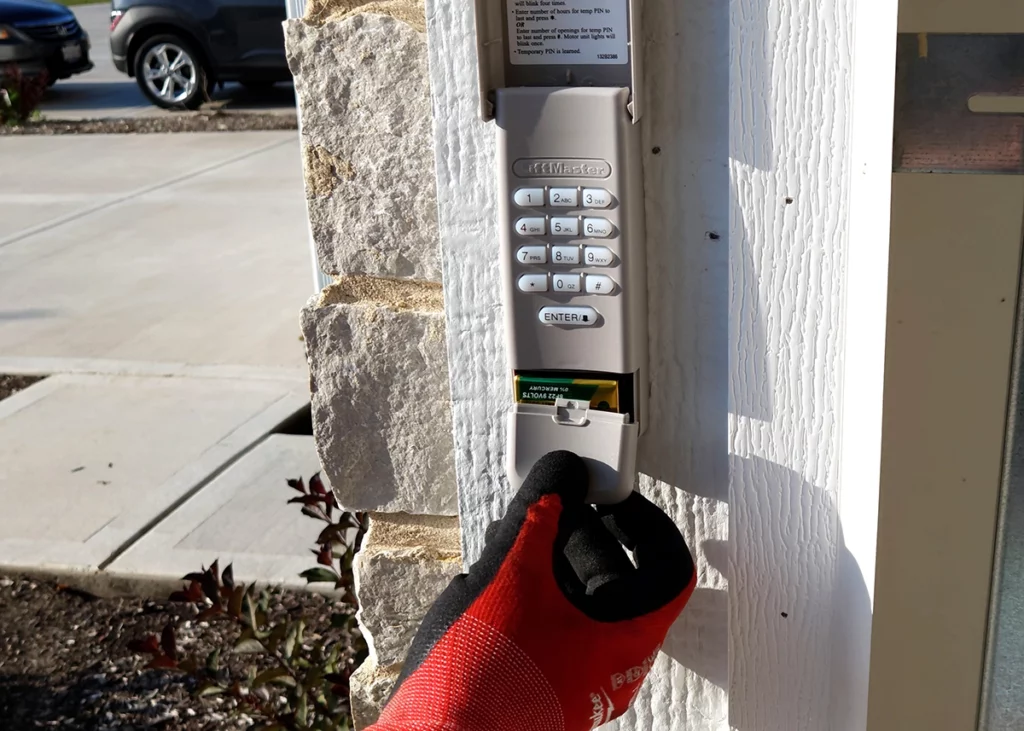
Installing a garage door keypad is a simple upgrade that can make daily access to your garage more convenient and secure. However, the effectiveness of this device depends heavily on where and how it’s installed. Strategic placement not only improves usability but also enhances security and longevity. This guide covers the garage door keypad placement best practices to help homeowners, property managers, and installers achieve optimal results.
Whether you’re setting up a keypad for the first time or repositioning an existing one, understanding the right location and installation techniques is essential. We’ll explore key considerations, common mistakes to avoid, and expert tips to ensure your keypad is both accessible and protected against weather and tampering.
If you’re new to these devices, you may want to learn more about what is a garage door keypad before proceeding with installation.
Why Proper Keypad Location Matters
The position of your garage door keypad affects more than just convenience. It plays a critical role in security, durability, and overall user experience. Following garage door keypad placement best practices ensures that your keypad is easy to reach, protected from the elements, and less vulnerable to tampering.
- Security: A poorly placed keypad may be easier for intruders to access or observe.
- Weather Protection: Exposure to rain, snow, or direct sunlight can shorten the lifespan of your device.
- Accessibility: The keypad should be easy to operate for all intended users, including children and those with mobility challenges.
- Functionality: Proper placement reduces the risk of signal interference or connectivity issues.
Key Considerations for Garage Door Keypad Placement
Before mounting your keypad, review these essential factors to ensure a safe and effective installation.
Height and Accessibility
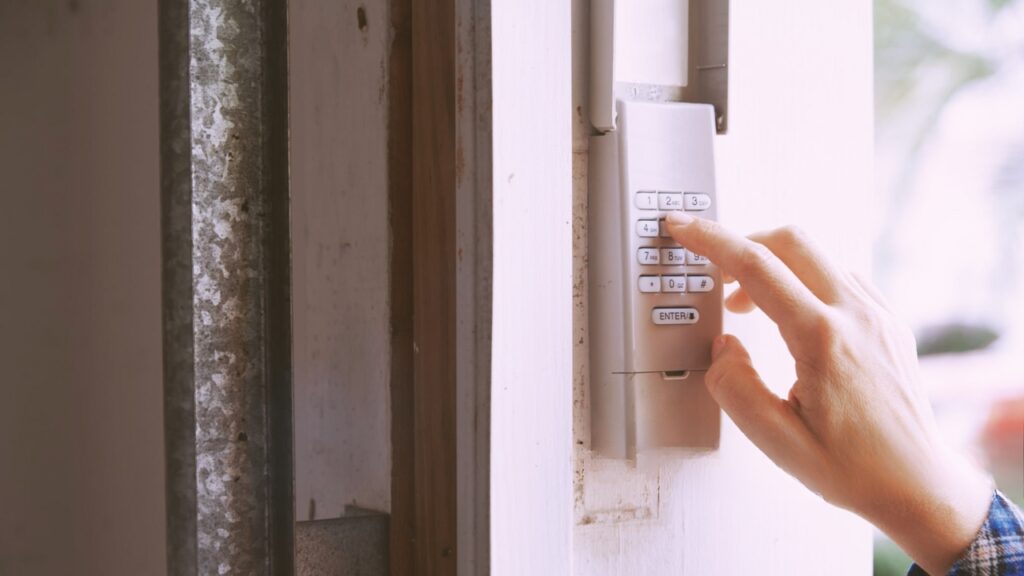
The ideal mounting height for most keypads is between 5 and 6 feet from the ground. This range keeps the device accessible to adults while making it less reachable for small children or potential vandals. If you have users with specific accessibility needs, adjust the height accordingly.
Distance from the Garage Door
Place the keypad within a comfortable arm’s reach of the garage door frame—typically 6 to 12 inches from the edge. This makes it easy to operate without standing in the path of the door as it opens or closes.
Visibility and Discretion
While the keypad should be visible to authorized users, avoid placing it in a spot that’s easily seen from the street. This reduces the risk of someone observing your code entry or attempting unauthorized access.
Weather Exposure
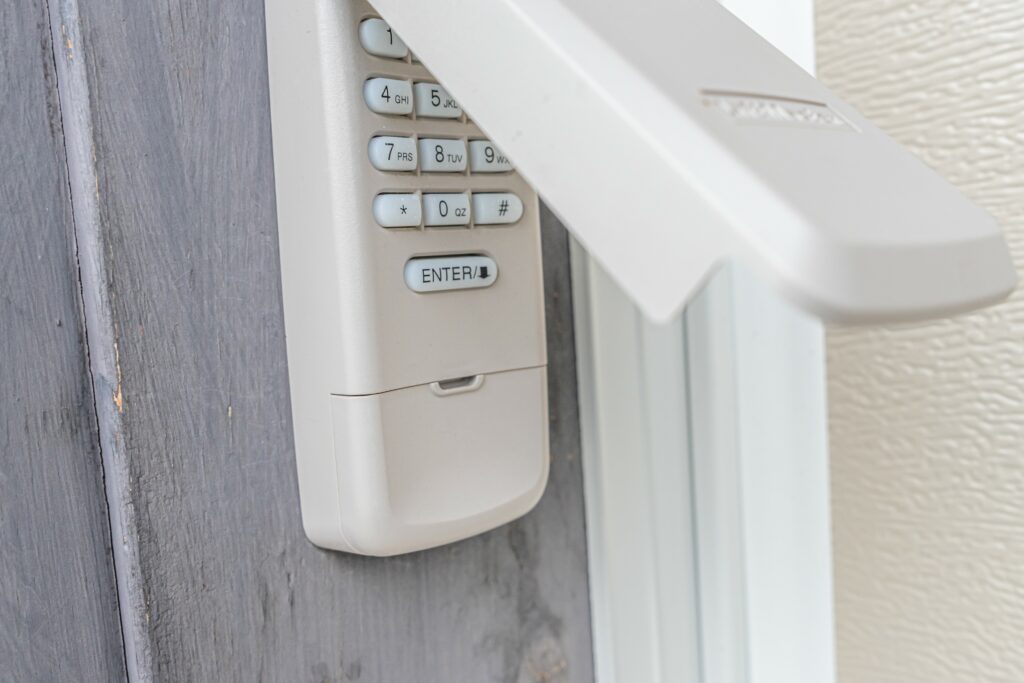
Select a location that’s sheltered from direct rain, snow, and prolonged sunlight. Under an eave or awning is ideal. If no natural cover exists, consider installing a small protective shield above the keypad.
Mounting Surface
Install the keypad on a flat, stable surface such as wood, brick, or siding. Avoid uneven or unstable areas that could compromise the device’s stability or weather resistance.

Common Mistakes to Avoid
Even with the best intentions, it’s easy to make errors during installation. Here are some pitfalls to watch for:
- Mounting too low or too high: This can make the keypad difficult for users to reach or see.
- Placing in direct sunlight: Prolonged UV exposure can fade buttons and damage electronics.
- Ignoring security risks: Avoid locations visible from the street or sidewalk.
- Blocking the keypad: Don’t install behind plants, decorations, or other obstructions.
- Neglecting weather protection: Exposure to rain or snow can lead to premature failure.
If your device isn’t working as expected after installation, you may find solutions in this article on garage door keypad not responding.
Step-by-Step Installation Tips
Following these steps can help you achieve a secure and reliable setup:
- Test the keypad’s signal strength and range before permanent mounting.
- Mark the mounting holes with a pencil after confirming the ideal location.
- Drill pilot holes if required, especially for masonry or brick surfaces.
- Use weather-resistant screws and anchors for added durability.
- Seal around the edges with outdoor-grade caulk if exposed to moisture.
- Program the keypad and test operation before finalizing installation.
Security Tips for Outdoor Keypads
Keeping your garage secure goes beyond just code selection. Here are some additional recommendations:
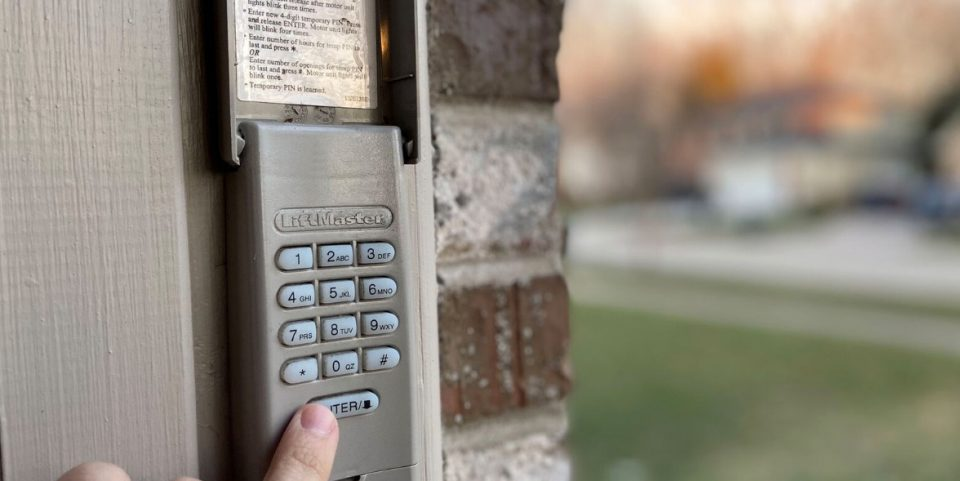
- Change your entry code regularly and avoid obvious combinations.
- Choose a keypad with a backlit display for safe nighttime use.
- Consider models with rolling code technology to prevent code grabbing.
- Inspect the keypad periodically for signs of tampering or weather damage.
- Educate family members about safe code entry and privacy.
For more on how these devices work and their benefits, see this overview on garage door keypad explained.
Troubleshooting and Maintenance
Even with careful placement, issues can arise over time. Regular maintenance and prompt troubleshooting help extend the life of your keypad and keep your garage secure.
- Replace batteries annually or as soon as you notice a weak signal.
- Clean the keypad with a soft, damp cloth to remove dirt and debris.
- Check for loose mounting hardware and tighten as needed.
- Reprogram the keypad if you experience connectivity problems.
- If persistent issues occur, consult a professional or reference this guide to troubleshooting garage door keypads.
Frequently Asked Questions
How high should a garage door keypad be installed?
Most manufacturers recommend mounting the keypad between 5 and 6 feet above the ground. This height is generally accessible for adults while helping prevent tampering by young children.
Can I install the keypad anywhere on my garage exterior?
While you have some flexibility, it’s important to follow garage door keypad placement best practices. Choose a spot that is sheltered from weather, not visible from the street, and within easy reach of the door frame.
What should I do if my keypad stops working after installation?
First, check the batteries and ensure the device is securely mounted. If problems persist, reprogram the keypad and inspect for water damage or interference. For more detailed troubleshooting, see this resource on garage door keypad repair explained.
Do I need a professional to install my garage door keypad?
Many homeowners can install a keypad with basic tools and by following the manufacturer’s instructions. However, if you encounter wiring issues or want to ensure optimal placement, hiring a professional can be beneficial.
Conclusion
Choosing the right location for your garage door keypad is essential for convenience, security, and device longevity. By following these best practices for keypad placement, you’ll ensure reliable operation and peace of mind for years to come. Take time to assess your garage’s unique layout and environmental factors before installing, and don’t hesitate to consult expert resources if you encounter challenges.