Garage door sensors are essential for safety and smooth operation, but when they malfunction, your daily routine can be disrupted. If you’re dealing with issues on a Sommer system, understanding how to approach and resolve sensor problems can save you time and money. This guide will walk you through the steps to identify, diagnose, and fix common issues with Sommer garage door sensors, ensuring your garage door works reliably and safely.
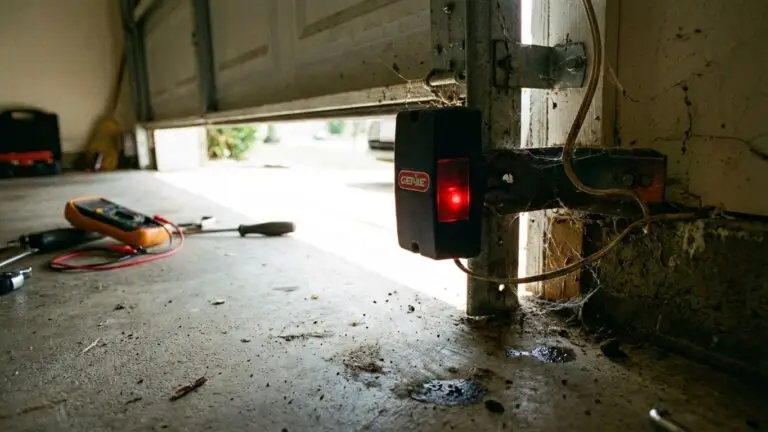
Before diving into hands-on troubleshooting, it’s helpful to know the basics of how these sensors work. Sommer garage door sensors use an infrared beam between two units—one sender and one receiver—mounted near the bottom of the garage door tracks. If the beam is blocked or the sensors are misaligned, the door won’t close for safety reasons. Problems can arise from dirt, misalignment, wiring issues, or component failure.
For those experiencing mounting challenges, especially on metal framing, you may find helpful advice in how to fix garage door sensor mounting on metal studs.
Common Sommer Sensor Problems and What They Mean
Understanding the typical signs of sensor trouble is the first step in resolving issues. Here are the most frequent symptoms and what they indicate:
- Garage door won’t close and reverses immediately: Often caused by blocked or misaligned sensors.
- Blinking or off indicator lights on the sensors: May signal misalignment, wiring issues, or dirt on the lens.
- Solid red or green lights: Usually indicates proper function, but check your Sommer manual for exact meanings.
- Intermittent operation: Could be due to loose connections or fluctuating power supply.
Recognizing these signs helps you quickly zero in on the source of the problem, making the troubleshooting process more efficient.
Step-by-Step Guide to Diagnosing Sommer Garage Door Sensor Issues
Follow these steps to systematically address sensor malfunctions. Always ensure the garage door opener is unplugged or power is off before handling wiring or sensor components.
1. Inspect Sensor Alignment and Mounting
Misalignment is one of the most common causes of sensor failure. The sensors must face each other directly, with their lenses at the same height.
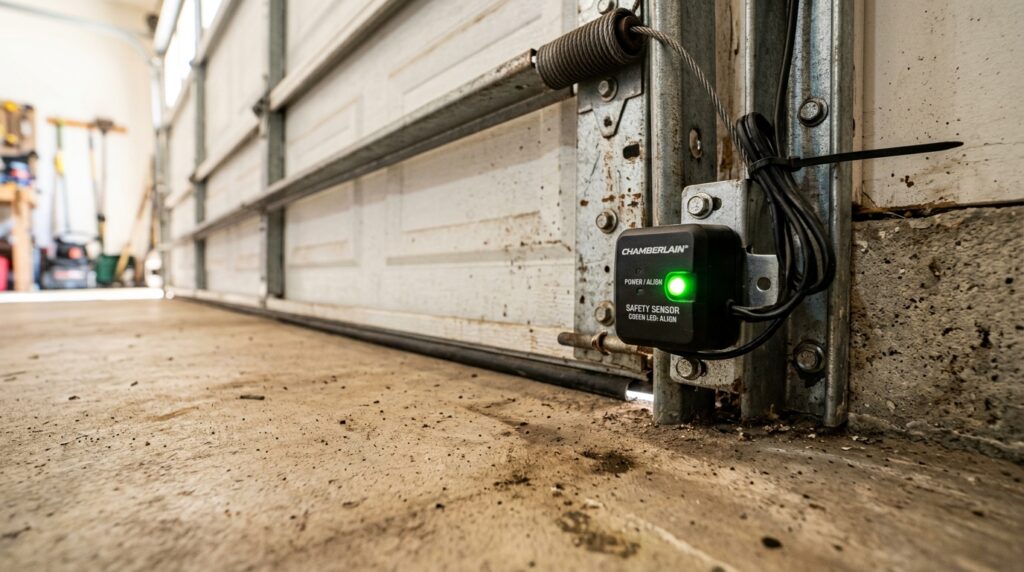
To check alignment:
- Look at the LED lights on both sensors. Both should be steady (not blinking).
- If one or both lights are off or blinking, gently adjust the sensors until both lights are solid.
- Tighten the mounting brackets to keep sensors in place.
If you’re having trouble keeping the brackets aligned, see advice on how to fix garage door sensor bracket alignment.
2. Clean the Sensor Lenses
Dirt, cobwebs, or moisture on the sensor lenses can block the infrared beam. Use a soft, dry cloth to gently wipe both lenses. Avoid using harsh chemicals, as these can damage the plastic covers.
3. Check for Obstructions
Make sure nothing is blocking the path between the sensors. Even small objects, such as leaves or tools, can interrupt the beam and prevent the door from closing.
4. Examine Sensor Wiring and Connections
Loose or damaged wires are another frequent cause of sensor problems. Inspect the wires leading to each sensor for visible damage, fraying, or disconnections. Ensure all wire nuts or connectors are secure.
If you find damaged wiring, you might benefit from this guide on how to fix garage door sensor wiring using electrical tape.
5. Test the Sensors
After performing the above checks, plug the opener back in and test the door:
- Try closing the door with the remote or wall button.
- If the door closes normally, the issue is resolved.
- If the door still won’t close, try holding down the wall button. If the door closes and stays closed, the sensors are still not detecting each other properly.
Advanced Troubleshooting for Persistent Sensor Issues
If basic steps haven’t resolved the problem, consider these additional checks:
Check for Power Supply Problems
Make sure the opener and sensors are receiving adequate power. A tripped breaker or blown fuse can cause sensors to stop working. If other devices in the garage are also not working, check your electrical panel.
Inspect for Interference or Sunlight
Direct sunlight or strong artificial light can sometimes interfere with the infrared beam. If your sensors face a window or receive direct sunlight at certain times of day, try shading them or adjusting their angle slightly.
Replace Faulty Sensors
If you’ve ruled out alignment, cleaning, wiring, and power issues, the sensors themselves may be faulty. Replacement sensors for Sommer systems are available online or from local dealers. Always use compatible parts to ensure safe operation.
When to Call a Professional
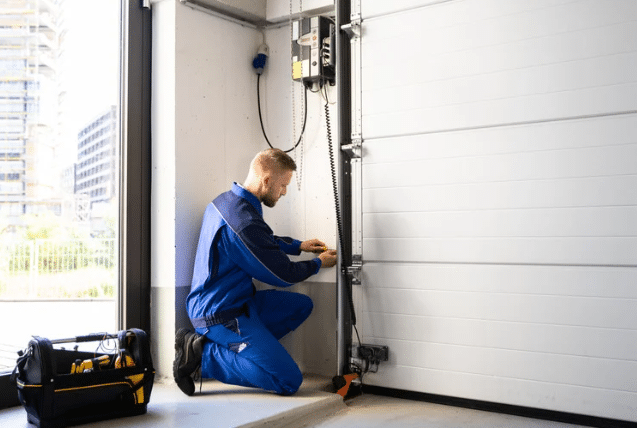
While most sensor issues can be resolved with the steps above, some situations require expert help. If you notice burnt wires, electrical shorts, or the opener itself is malfunctioning, contact a qualified garage door technician. Attempting complex repairs without proper training can be dangerous.
If your transmitter isn’t responding at all, you may want to consult the article on why is my garage door sensor transmitter dead for further troubleshooting tips.
Preventative Maintenance for Reliable Sensor Performance
Regular upkeep can prevent most sensor issues before they start. Here are some simple maintenance tips:
- Clean sensor lenses monthly to remove dust and debris.
- Check alignment and tighten brackets every few months.
- Inspect wiring annually for signs of wear or damage.
- Test the door’s safety reversal feature regularly to ensure sensors are functioning.
For more detailed maintenance advice, see this comprehensive guide to troubleshooting garage door sensor issues.
Frequently Asked Questions
Why are my Sommer garage door sensors blinking?
Blinking lights typically indicate a misalignment or obstruction. Check that both sensors are facing each other directly, and ensure nothing is blocking the beam. Cleaning the lenses and tightening the brackets often resolves this issue.
Can I bypass the safety sensors on my Sommer opener?
It’s not recommended to bypass safety sensors, as they are a critical safety feature. Bypassing them can put people and property at risk. Instead, follow the troubleshooting steps above to restore proper function.
How do I know if my Sommer sensors need replacement?
If you’ve checked alignment, cleaned the lenses, inspected wiring, and ensured proper power, but the sensors still don’t work, they may be faulty. If the indicator lights remain off or the door won’t close even after troubleshooting, consider replacing the sensors with compatible Sommer parts.
What tools do I need for basic sensor troubleshooting?
Most troubleshooting can be done with a screwdriver (for adjusting brackets), a soft cloth (for cleaning lenses), and possibly a wire stripper or electrical tape if you need to repair wiring. Always ensure the opener is unplugged before working on wiring.
Conclusion
Addressing issues with Sommer garage door sensors doesn’t have to be complicated. By following a logical troubleshooting process—checking alignment, cleaning, inspecting wiring, and testing the system—you can resolve most problems quickly. Regular maintenance and prompt attention to minor issues will help keep your garage door operating safely and reliably for years to come.