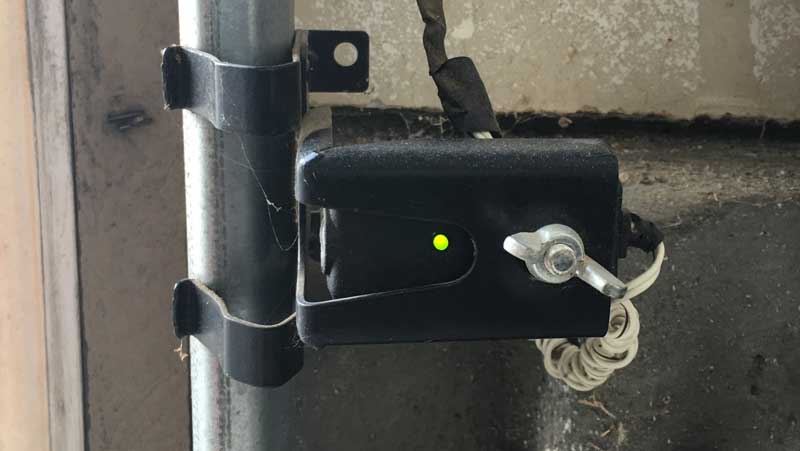
Garage door sensors are a critical safety feature, ensuring that your door stops or reverses if something is in its path. However, installation or repairs can get tricky when the sensor wires are too short to reach the opener or the power source. If you’re struggling with this common issue, you’re not alone. Many homeowners encounter this challenge, especially during replacements or after accidental wire damage.
This guide will walk you through practical solutions for extending garage door sensor wires, the tools you’ll need, and important safety precautions. Whether you’re a DIY enthusiast or just want to understand your options before calling a professional, you’ll find actionable steps here. For those dealing with related sensor mounting challenges, you may also find how to fix garage door sensor mounting on metal studs helpful.
Understanding the Problem: Short Garage Door Sensor Wires
Garage door sensors rely on a low-voltage wire connection to communicate with the opener. When these wires are too short, you can’t position the sensors at the correct height or location. This can lead to:
- Improper sensor alignment, causing the door to malfunction
- Inability to secure the wires safely along the wall
- Potential safety hazards if wires are stretched or exposed
Manufacturers typically provide just enough wire for standard installations. If your setup is unique, or if wires have been cut or damaged, you’ll need to extend them safely and securely.
Essential Tools and Materials for Extending Sensor Wires
Before starting, gather the following tools and supplies to ensure a smooth process:
- Wire strippers for removing insulation
- Wire nuts or butt connectors for joining wires
- Electrical tape for insulation and added safety
- Low-voltage wire (typically 22-gauge, two-conductor)
- Screwdriver for sensor mounting adjustments
- Voltage tester (optional, for safety)
For more details on safe wiring practices, you can refer to how to fix garage door sensor wiring using electrical tape.
Step-by-Step Guide: Extending Garage Door Sensor Wires
Follow these steps to safely lengthen your sensor wires and restore proper function:
-
Turn Off Power
Always disconnect the garage door opener from power before working on the wiring. This prevents accidental operation and reduces the risk of electric shock. -
Assess the Wire Length Needed
Measure the distance from the sensor’s current location to the opener or terminal block. Add a little extra length to allow for neat routing and secure attachment. -
Prepare the Extension Wire
Cut a piece of low-voltage wire to the required length. Strip about 1/2 inch of insulation from both ends of the new wire and from the existing sensor wires. -
Connect the Wires
Twist the matching wires together (usually white-to-white and black-to-black or striped). Secure each connection with a wire nut or butt connector. For extra protection, wrap the connections with electrical tape. -
Route and Secure the Wire
Run the extended wire along the wall, ceiling, or framing, using cable clips or staples. Avoid sharp bends and keep the wire out of the way of moving parts. -
Reconnect and Test
Restore power to the opener. Test the sensors by closing the door and interrupting the beam—your door should stop or reverse as designed.
Common Mistakes to Avoid When Extending Sensor Wires
While extending wires is straightforward, there are a few pitfalls to watch for:
- Using the wrong wire gauge: Always match the original wire size (typically 22-gauge for sensors).
- Poor connections: Loose or exposed wires can cause intermittent sensor failure or safety hazards.
- Skipping insulation: Always cover connections with wire nuts and tape to prevent short circuits.
- Improper routing: Avoid running wires where they can be pinched, cut, or exposed to moisture.
For troubleshooting sensor issues beyond wiring, such as blinking lights or buzzing noises, check out resources like why is my garage door sensor light blinking twice or how to fix garage door sensor hum or buzz.
Alternative Solutions for Short Sensor Wires
If you prefer not to splice wires, consider these alternatives:
- Purchase a sensor wire extension kit: Some manufacturers offer pre-made extension kits compatible with their sensors.
- Replace the entire wire: If the original wire is damaged or too short throughout, replacing it from the opener to the sensor may be best.
- Professional installation: If you’re unsure about electrical work, a garage door technician can ensure a safe, code-compliant repair.
For more troubleshooting tips, see this comprehensive guide to garage door sensor troubleshooting.

Safety Tips for Working With Garage Door Sensor Wiring
Whenever you’re handling electrical components, safety should be your top priority. Here are some key tips:
- Always disconnect power before starting any work.
- Use insulated tools and wear gloves to protect against accidental shocks.
- Double-check all connections before restoring power.
- Test the sensors thoroughly after making changes to ensure proper operation.
- Keep wires neatly secured to prevent tripping hazards or damage.
If your sensors still don’t function correctly after extending the wires, the issue may be with the sensor itself or the opener. For guidance on diagnosing dead transmitters, visit why is my garage door sensor transmitter dead.
Frequently Asked Questions
Can I use any wire to extend my garage door sensor wires?
No, you should use low-voltage, two-conductor wire that matches the original gauge (typically 22-gauge). Using the wrong type or size of wire can cause malfunctions or safety issues.
Is it safe to use electrical tape alone for wire connections?
Electrical tape is useful for extra insulation, but it should not be the only method for joining wires. Always use wire nuts or butt connectors to ensure a secure, reliable connection, then wrap with tape for added safety.
What if my garage door sensors still don’t work after extending the wires?
If the sensors remain unresponsive, double-check your connections and alignment. If problems persist, the sensor itself or the opener may be faulty. Consult your opener’s manual or consider professional assistance.
How long can the sensor wires be extended?
Most garage door openers can handle sensor wires up to 50 feet, but always check your manufacturer’s recommendations. Excessively long wires may result in signal loss or interference.
Conclusion
Dealing with short wires on your garage door sensors doesn’t have to be a major obstacle. With the right tools, careful attention to safety, and the step-by-step process outlined above, you can extend your sensor wires and restore reliable operation. Remember to use proper connectors, match wire gauge, and test thoroughly before regular use. If you encounter persistent issues, don’t hesitate to seek professional help or explore additional troubleshooting resources. Keeping your garage door sensors in top condition ensures the safety and convenience of your home for years to come.