Garage doors are heavy, complex systems that rely on several safety features to operate reliably and protect homeowners from injury. One of the most crucial yet often overlooked components is the garage door safety cable. Understanding the garage door safety cables purpose and how to install them properly can prevent serious accidents and costly damage.
In this guide, we’ll break down the essential role of these cables, explain why they’re necessary for both manual and automatic garage doors, and provide step-by-step installation advice. We’ll also cover common issues, maintenance tips, and answer frequently asked questions to help you keep your garage door system safe and functional.
If you’re troubleshooting other garage door safety features, you might also find our resource on why is my garage door sensor indicator light missing helpful for diagnosing sensor issues early on.
What Are Garage Door Safety Cables?
Safety cables are steel wires designed to run through the center of the extension springs on either side of a garage door. Their main function is to contain the spring if it breaks, preventing it from snapping loose and causing injury or property damage. Without these cables, a broken spring can turn into a dangerous projectile, especially since garage door springs are under high tension.
These cables are not optional accessories—they are a vital safety feature for any garage door system that uses extension springs. Torsion spring systems, which are mounted above the door, do not require safety cables, but most residential garage doors with side-mounted extension springs do.
Why Safety Cables Matter for Garage Door Systems
The purpose of garage door safety cables is to protect people, vehicles, and property from the hazards of a spring failure. When an extension spring breaks, the sudden release of tension can send metal parts flying at high speeds. Safety cables keep the broken spring contained, reducing the risk of injury or damage.
Key reasons to install and maintain safety cables include:
- Preventing injury: Containing broken springs protects anyone in or near the garage.
- Protecting property: Safety cables stop springs from damaging cars, walls, or other valuables.
- Meeting code requirements: Many building codes and insurance policies require safety cables for extension spring systems.
- Peace of mind: Knowing your garage door system is equipped with all necessary safety features lets you operate it with confidence.
For more on troubleshooting garage door issues, such as when your door stops midway, see this detailed guide on garage doors stopping halfway.
How to Identify If Your Garage Door Needs Safety Cables
Not all garage doors require safety cables, but if your system uses extension springs (the long, thin springs running parallel to the horizontal tracks), you need them. Here’s how to check:
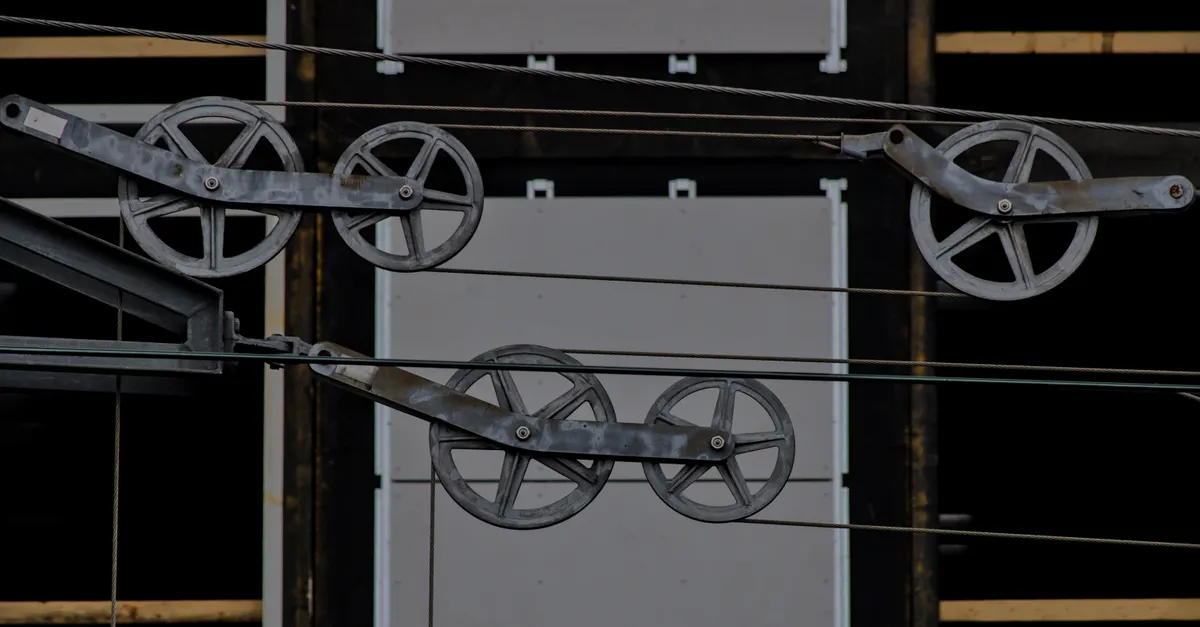
- Look for springs mounted along the sides of the door, attached to pulleys and cables.
- If you see a steel cable running through the center of each spring and anchored at both ends, your door is equipped with safety cables.
- If the springs are mounted above the door in a single tube (torsion springs), safety cables are not necessary.
Extension spring systems are common in older homes and some modern installations. If you’re unsure, consult your garage door’s manual or a professional technician.

Step-by-Step Guide to Installing Safety Cables
Installing safety cables is a straightforward process, but it does require care and attention to detail. If you are not comfortable working with garage door components, consider hiring a professional. Here’s how to do it safely:
- Gather materials: You’ll need a pair of safety cables, pliers, and a ladder. Make sure the cables are rated for your door’s weight.
- Open the garage door fully: This relieves tension on the springs and makes installation safer.
- Thread the cable: Insert one end of the safety cable through the center of the extension spring, starting at the bracket attached to the door frame.
- Anchor the cable: Secure one end of the cable to the bracket or hook at the front of the spring (closest to the door opening).
- Secure the other end: Pull the cable through the spring and attach the other end to the metal support near the back of the horizontal track, using the provided eye bolt or lag screw.
- Check for slack: The cable should be taut but not overly tight. It must not interfere with the spring’s movement.
- Repeat for the other side: Install the second cable on the opposite spring using the same method.
Once installed, inspect both cables to ensure they are properly anchored and run cleanly through the springs. Test the door’s operation to confirm the cables do not bind or catch.
Maintenance and Inspection Tips for Safety Cables
Regular inspection and maintenance are essential for keeping your garage door’s safety features in top condition. Here’s what to look for:
- Check for fraying or corrosion: Replace cables that show signs of wear or rust.
- Ensure proper tension: Cables should not be loose or sagging.
- Inspect attachment points: Make sure all anchors, eye bolts, and brackets are secure.
- Lubricate moving parts: Use a garage door lubricant spray on pulleys and hinges, but avoid getting lubricant on the cables themselves.
Regularly testing your garage door’s safety features can help prevent unexpected failures. If you notice any issues, address them promptly to maintain a safe environment.
Common Problems and Troubleshooting Tips
Even with proper installation, issues can arise with safety cables. Here are some common problems and how to address them:
- Cable is too loose or too tight: Adjust the anchor points to achieve the correct tension.
- Cable rubs against the spring or track: Reroute the cable to prevent friction, which can cause premature wear.
- Attachment points are damaged: Replace any worn or broken brackets, eye bolts, or lag screws.
- Spring is broken and cable is missing: Do not operate the door. Replace both the spring and the safety cable before using the garage door again.
If you encounter persistent problems, it’s best to consult a professional garage door technician. For related troubleshooting, such as sensor issues, our article on how to fix garage door sensor mounting on metal studs offers practical solutions.
Frequently Asked Questions
What happens if I don’t have safety cables on my garage door?
Without safety cables, a broken extension spring can snap free and cause serious injury or property damage. Safety cables are designed to contain the spring, making them essential for any system using extension springs.
Can I install safety cables myself, or should I hire a professional?
Many homeowners can install safety cables with basic tools and careful attention to instructions. However, if you are uncomfortable working with garage door components or if your system is complex, it’s safer to hire a professional.
How often should I inspect or replace my safety cables?
Inspect safety cables at least twice a year for signs of wear, fraying, or corrosion. Replace them immediately if you notice any damage. Regular maintenance helps ensure your garage door remains safe and reliable.
Conclusion
Understanding the garage door safety cables purpose and ensuring proper installation is a critical part of maintaining a safe garage environment. These simple yet effective components protect against the dangers of spring failure, offering peace of mind for homeowners. Regular inspection, timely replacement, and proper installation go a long way in preventing accidents and keeping your garage door system running smoothly.