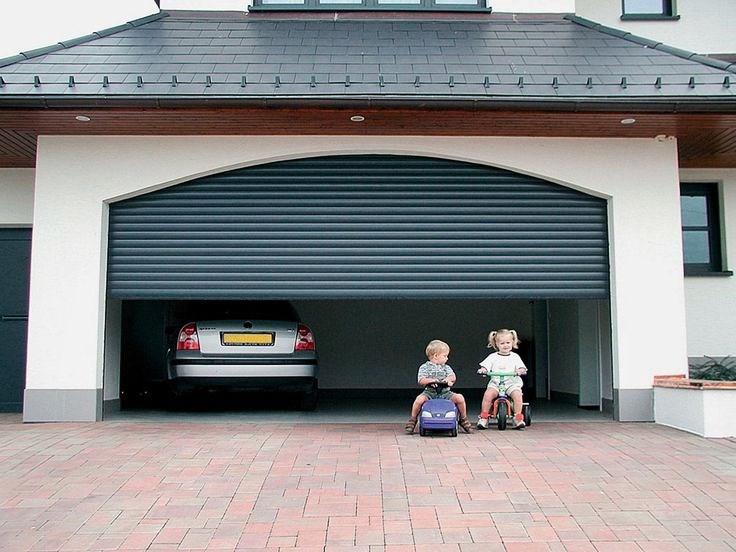
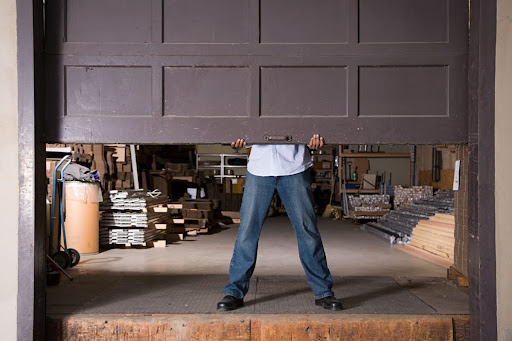
A garage door that halts partway during closing can be frustrating and inconvenient, especially when you rely on smooth operation for daily routines and security. This common issue can stem from a variety of mechanical, electrical, or safety-related problems. Understanding why a garage door stops midway when closing is the first step toward resolving the problem and restoring reliable function.
In this article, you’ll find practical troubleshooting steps, learn about the most frequent causes, and discover actionable solutions. Whether you’re a homeowner or a DIY enthusiast, these insights will help you address the issue safely and efficiently.

If you suspect your sensors may be involved, you might also find value in our guide on how to fix garage door sensor mounting on metal studs, which covers common sensor alignment and mounting issues.
Common Reasons for a Garage Door Stopping Halfway
When an overhead door fails to close all the way, several factors could be at play. Identifying the root cause is essential for an effective fix. Here are the most frequent culprits:
- Obstructions or debris blocking the door’s path or tracks
- Misaligned or dirty safety sensors that prevent full closure
- Worn or damaged rollers, tracks, or springs
- Improperly set travel limits on the opener
- Electrical or remote control issues
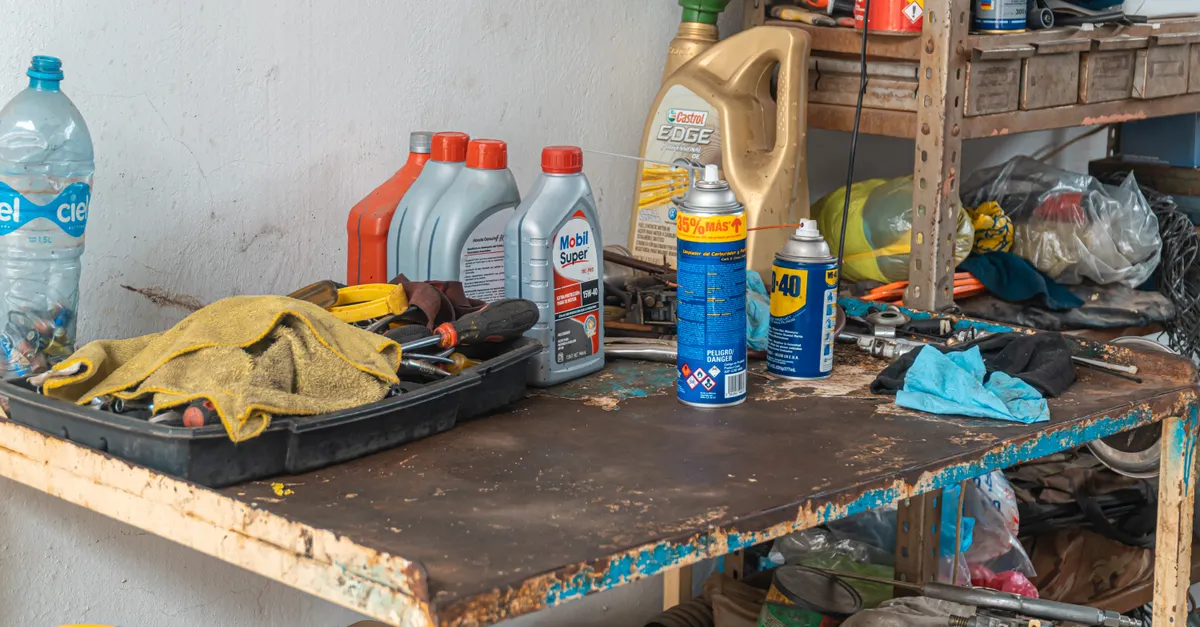
- Insufficient lubrication causing resistance
Inspecting for Obstructions and Track Issues
The first step is to check for any physical barriers. Even small objects or accumulated dirt can cause a garage door to reverse or stop unexpectedly. Carefully inspect both tracks and the area beneath the door.
Remove any visible debris and check that the tracks are straight and free of dents. If you notice bent tracks or damaged rollers, these components may need repair or replacement. Lubricating the rollers and hinges with a garage door lubricant spray can also help reduce friction and allow smoother movement.
Sensor Problems and Safety Features
Modern garage doors are equipped with safety sensors near the floor on both sides of the opening. These sensors detect obstacles and prevent the door from closing if something is in the way. However, if the sensors are misaligned, dirty, or blocked, they can mistakenly signal an obstruction.
To troubleshoot:
- Wipe the sensor lenses with a soft, dry cloth
- Ensure both sensors are facing each other and their indicator lights are on
- Remove any objects or cobwebs near the sensors
- Check for loose or damaged wiring
If the sensors remain problematic, you may want to review our article on how to fix garage door sensor wiring using electrical tape for step-by-step instructions on addressing wiring issues.
Adjusting Travel Limits and Force Settings
Garage door openers have adjustable settings that control how far the door travels and how much force it uses. If these settings are incorrect, the door may stop before reaching the ground or reverse unexpectedly.
To adjust these settings:
- Locate the travel limit and force adjustment screws on your opener (usually labeled “up” and “down” or “open” and “close”)
- Follow the manufacturer’s instructions to increase the closing travel distance or force slightly
- Test the door after each adjustment to avoid over-tightening, which can damage the system
For more detailed guidance, refer to your opener’s manual or consult a professional if you are unsure about making these adjustments.
Checking Springs, Cables, and Hardware
Worn or broken springs, frayed cables, and loose hardware can all cause a garage door to halt unexpectedly. Torsion and extension springs are under high tension and should only be inspected visually unless you have experience with garage door repairs. If you notice any damage, contact a qualified technician for safe replacement.
Tighten any loose bolts or screws you find on the door and tracks, and replace any visibly worn parts. Regular maintenance can prevent many common issues from developing.
Electrical and Remote Control Issues
Sometimes, the problem lies with the opener’s power supply, wiring, or remote controls. Check that the opener is plugged in and receiving power. Replace the batteries in your remote and wall switch if needed. If the door operates normally from the wall switch but not from the remote, reprogramming the remote may resolve the issue.
If you continue to experience problems, check for tripped circuit breakers or blown fuses. For more information on related sensor issues, see our resource on why is my garage door sensor transmitter dead.
When to Call a Professional
While many garage door issues can be resolved with basic troubleshooting, some problems require expert attention. If you suspect broken springs, damaged cables, or persistent electrical faults, it’s best to contact a licensed technician. Attempting complex repairs without proper training can be dangerous.
For more in-depth solutions and expert advice, you can consult resources like this comprehensive guide on fixing a garage door that stops halfway.
Preventive Maintenance Tips
Regular upkeep can help prevent your garage door from getting stuck in the future. Here are some maintenance tips:
- Clean and lubricate moving parts every few months
- Inspect tracks, rollers, and hinges for wear and tear
- Test safety sensors and auto-reverse features regularly
- Tighten loose hardware
- Check and adjust travel limits as needed
Staying proactive with maintenance not only extends the life of your garage door but also enhances safety for your household.
Frequently Asked Questions
Why does my garage door reverse after stopping halfway?
If your door reverses direction after stopping, it’s likely due to an obstruction, misaligned sensors, or incorrect travel limit settings. Clean the sensors, check for debris, and adjust the opener’s settings as needed.
Can I fix a garage door that stops partway myself?
Many causes, such as sensor misalignment, debris, or lubrication issues, can be addressed by homeowners. However, repairs involving springs or cables should be left to professionals due to safety risks.
How often should I lubricate my garage door?
It’s recommended to lubricate the rollers, hinges, and tracks every three to six months, or more frequently in harsh climates. Use a product specifically designed for garage doors for best results.
What should I do if my garage door sensors keep blinking?
Blinking sensors usually indicate alignment or wiring problems. Ensure the sensors are facing each other, clean the lenses, and check the wiring. For more details, see our article on why is my garage door sensor light blinking twice.