Garage door sensors are designed to keep your home safe by preventing the door from closing when something is in its path. However, many homeowners experience problems with their sensors, especially during certain times of day when sunlight interferes with their operation. If you’ve ever found your garage door refusing to close in the late afternoon or early morning, you’re not alone. This guide explains how to fix garage door sensor when the sun is low, why this issue happens, and practical solutions to restore reliable performance.
Understanding the root causes of sunlight interference and learning how to troubleshoot these problems can save you time, money, and frustration. We’ll cover the most common symptoms, step-by-step fixes, and preventative measures to help you keep your garage door working smoothly, even when the sun is shining directly on your sensors.
If you’re dealing with mounting challenges, you may also want to read how to fix garage door sensor mounting on metal studs for additional tips.
Why Sunlight Causes Problems for Garage Door Sensors
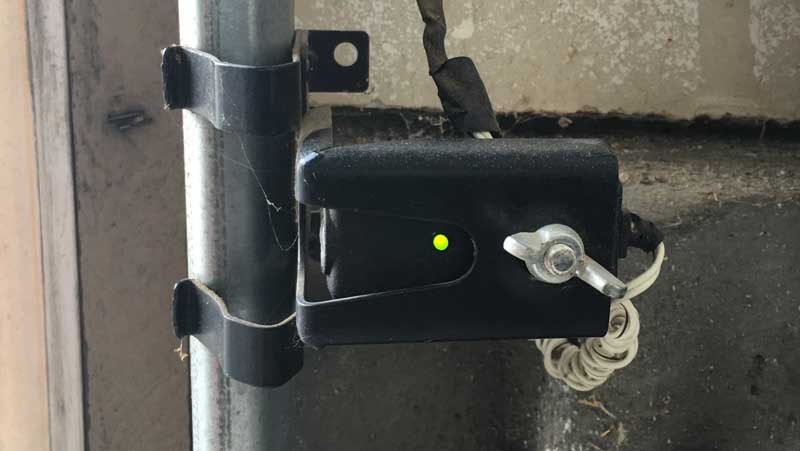
Garage door safety sensors, also known as photo eyes, use an infrared beam to detect obstructions. When the sun is low in the sky, its rays can shine directly into the sensor’s lens, overwhelming the infrared signal. This is especially common in the early morning or late afternoon, depending on the orientation of your garage.
Symptoms of sunlight interference include:
- The garage door won’t close, but opens normally.
- Sensor lights blink or turn off when the sun is shining on them.
- The opener flashes an error code or the wall control blinks.
These issues are frustrating, but fortunately, there are several effective ways to address them.
Diagnosing Sunlight Interference With Your Garage Door Sensors
Before you start fixing the problem, it’s important to confirm that sunlight is the cause. Here’s how to check:
- Observe when the problem occurs. If it only happens at certain times of day, sunlight is likely the culprit.
- Check the sensor indicator lights. If one or both lights turn off or flicker when the sun hits them, this points to interference.
- Shade the sensor with your hand or a piece of cardboard. If the door closes when shaded, sunlight is the issue.
If you notice wiring issues or suspect an electrical fault, you might find how to fix garage door sensor wiring using electrical tape helpful for further troubleshooting.
Step-by-Step Solutions for Sunlight-Related Sensor Issues
There are several proven methods to resolve problems caused by low sun angles. Here are the most effective approaches:
1. Adjust the Sensor Position
Slightly angling the sensor away from direct sunlight can reduce interference. Try tilting the sensor downward or to the side, but ensure it still aligns with the opposite unit. Use a level to maintain proper alignment.
2. Add a Sun Shield or Shade
One of the simplest fixes is to block sunlight from hitting the sensor lens. You can use:
- A small piece of cardboard or plastic attached above or beside the sensor.
- Commercially available sensor sun shields or hoods.
- A section of PVC pipe cut lengthwise and placed over the sensor to act as a tunnel.
Make sure the shield does not block the infrared beam between the sensors.
3. Clean the Sensor Lenses
Dust, dirt, or spider webs can make sensors more sensitive to sunlight. Gently clean the lenses with a soft cloth and mild cleaner to improve performance.
4. Upgrade to Sunlight-Resistant Sensors
Some modern sensors are designed to filter out visible light while still detecting the infrared beam. If your sensors are older, consider upgrading to a newer model for better reliability.
5. Check for Electrical or Wiring Issues
If sunlight isn’t the only problem, inspect the wiring for damage or loose connections. For detailed steps, refer to how to fix garage door sensor wiring using electrical tape.
Preventative Tips to Avoid Future Sun Interference
Once you’ve resolved the immediate problem, consider these tips to prevent it from recurring:
- Install permanent sun shields on both sensors, especially if your garage faces east or west.
- Trim back bushes or trees that might reflect sunlight onto the sensors.
- Regularly clean the sensor lenses to maintain optimal function.
- Test your garage door monthly to ensure sensors are working correctly.
When to Call a Professional
If you’ve tried all of the above solutions and your garage door still won’t close reliably, it may be time to consult a professional. Persistent problems could indicate a faulty sensor, damaged wiring, or issues with the garage door opener itself. A qualified technician can diagnose and repair complex issues safely and efficiently.
For more advanced troubleshooting, especially with older units, you may want to review how to troubleshoot older garage door sensor models.
Additional Resources for Troubleshooting
For a more comprehensive look at sensor troubleshooting, visit this detailed guide on troubleshooting garage door sensors. It covers a range of issues beyond sunlight interference and provides step-by-step advice for homeowners.
If you’re experiencing synchronization problems between sensor units, how to fix garage door sensor sync issues offers targeted solutions.
For those with Guardian brand systems, how to troubleshoot Guardian garage door sensors provides brand-specific troubleshooting steps.
FAQ
Why does my garage door only have trouble closing at certain times of day?
This usually happens when the sun is low in the sky and its rays shine directly onto the sensor lenses. The intense light can overwhelm the infrared beam, causing the system to think there’s an obstruction.
Can I permanently fix sunlight interference with a DIY solution?
Yes, many homeowners successfully use sun shields, small covers, or even sections of PVC pipe to block sunlight from the sensor. Just make sure the shield doesn’t block the infrared beam between the two sensors.
Is it safe to bypass the sensors if sunlight is causing issues?
It is not recommended to bypass safety sensors, as they are a critical safety feature. Instead, use the troubleshooting steps above to resolve the problem or consult a professional if needed.
How often should I clean my garage door sensors?
It’s a good idea to clean the sensor lenses every few months, or more often if you notice dust, dirt, or cobwebs accumulating. Clean lenses help reduce false positives from sunlight and other sources.