Garage door sensors are an essential safety feature, preventing the door from closing if something is in its path. However, many homeowners encounter unexpected issues when they upgrade their garage lighting to energy-efficient LED bulbs. Suddenly, the door may not close properly, or the sensors blink as if blocked, even when the path is clear. This guide explains why these problems happen, how to identify interference, and practical steps to resolve it.
Understanding the causes and solutions for garage door sensor interference caused by LED bulbs can save you time, frustration, and unnecessary service calls. We’ll cover how to diagnose the issue, what types of bulbs to use, and additional troubleshooting tips. If you’re also dealing with other sensor issues, such as how to fix garage door sensor mounting on metal studs, you may find related solutions helpful.
Why LED Bulbs Cause Problems With Garage Door Sensors
Many people are surprised to learn that not all LED bulbs are compatible with garage door openers. The issue stems from the way some LEDs generate light. Certain models emit electromagnetic interference (EMI) or radio frequency interference (RFI), which can disrupt the signal between the garage door opener and its safety sensors.
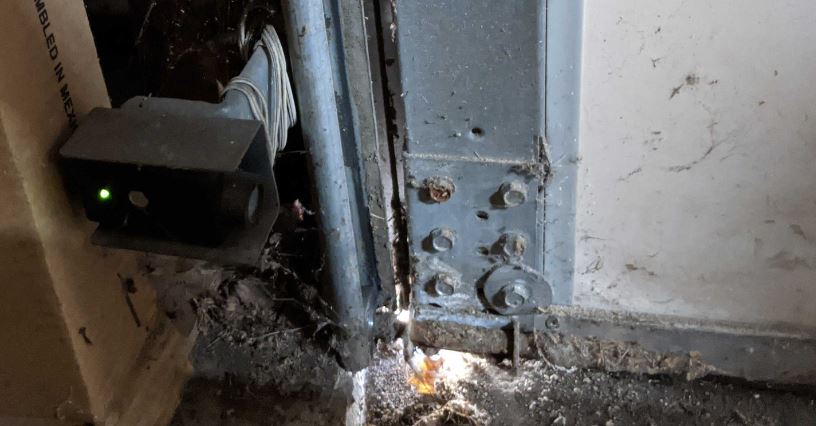
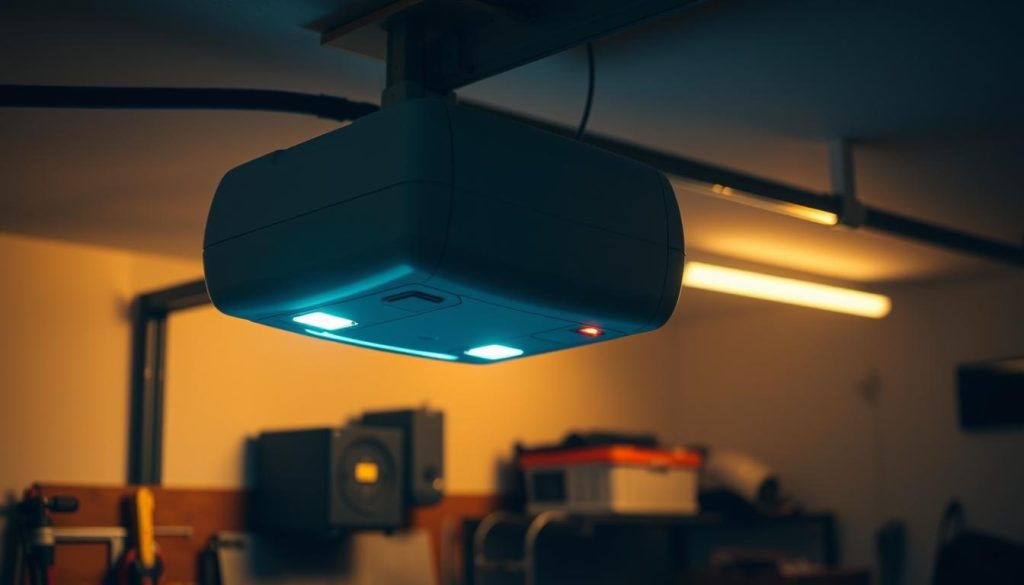
Garage door sensors typically use an infrared beam to detect obstructions. When EMI or RFI from an LED bulb is present—especially if the bulb is installed in the opener itself or near the sensors—it can cause the sensors to malfunction. Symptoms include:
- The garage door reverses immediately after starting to close.
- Sensor lights blink or do not stay solid.
- The opener remote has reduced range or fails to work.
These symptoms often appear after switching to new LED bulbs, making the connection clear.
How to Identify Interference From LED Lighting
Before making changes, it’s important to confirm that your LED bulbs are the source of the interference. Here’s how to check:
- Remove the LED bulbs from your garage door opener or nearby fixtures. Replace them temporarily with incandescent or CFL bulbs.
- Test the sensors by operating the garage door. If the problem disappears, the LEDs are likely causing the issue.
- Check for other sources of interference, such as nearby electronics, faulty wiring, or direct sunlight on the sensors.
If the sensors work correctly with other bulb types, you can be confident that the LED bulbs are the culprit.
Steps to Resolve Sensor Interference From LEDs
Once you’ve confirmed that LED bulbs are causing your garage door sensor issues, follow these steps to fix the problem:
1. Choose Garage Door Opener-Compatible LED Bulbs
Not all LED bulbs are created equal. Some are specifically designed to minimize EMI and RFI, making them safe for use with garage door openers. Look for bulbs labeled as “garage door opener compatible” or “low interference.” These bulbs are engineered to reduce the chance of disrupting sensor signals.
When shopping, check for manufacturer recommendations or consult your opener’s manual for approved bulb types. You can also find bulbs that have been tested for use with popular opener brands.
2. Relocate or Shield the Bulbs
If you cannot find compatible bulbs, try moving the LED bulbs further away from the opener or sensors. Sometimes, simply relocating the light source can reduce interference. Alternatively, use a metallic shield or foil (without blocking ventilation) around the bulb socket to help contain EMI.
3. Use Ferrite Chokes or Filters
Ferrite chokes are small, clamp-on devices that can be attached to the power cords of your opener or lighting fixtures. These devices help suppress EMI and may resolve interference issues. They are inexpensive and easy to install.
4. Switch to Alternative Bulb Types
If all else fails, consider using incandescent or CFL bulbs in your garage door opener. While not as energy-efficient as LEDs, these bulbs do not emit the same level of interference and are less likely to cause problems.
Additional Troubleshooting Tips for Persistent Issues
If you continue to experience problems after addressing the bulbs, consider these additional troubleshooting steps:
- Check sensor alignment: Misaligned sensors can mimic interference symptoms. For guidance, see how to fix garage door sensor bracket alignment.
- Inspect wiring: Damaged or loose wires can disrupt sensor function. Learn more about safe repairs in how to fix garage door sensor wiring using electrical tape.
- Replace faulty sensors: If sensors are old or exposed to moisture, they may need replacement.
- Check for sunlight interference: Direct sunlight can overwhelm sensor receivers. Try shading the sensors if this is a problem.
For more advanced troubleshooting, including issues with smart sensors and apps, refer to how to troubleshoot smart garage door sensor apps.
Preventing Future Interference With Your Garage Door Sensors
To avoid recurring problems, always choose lighting products that are tested for use with garage door openers. When installing new bulbs, test the door operation before finalizing installation. Keep the area around the sensors free from clutter, dust, and direct light sources.
If you’re unsure about which bulbs to use, consult your opener’s manufacturer or check for online reviews from other homeowners with similar setups. For more detailed troubleshooting, you can also refer to resources like this comprehensive guide to troubleshooting garage door sensors.
FAQ: Common Questions About Sensor Interference and LED Bulbs
Can I Use Any LED Bulb in My Garage Door Opener?
No, not all LED bulbs are suitable for use with garage door openers. Some emit electromagnetic interference that can disrupt sensor operation. Always choose bulbs labeled as compatible with garage door openers or tested for low interference.
What Are the Signs That My Sensors Are Affected by LED Bulbs?
Typical signs include the door reversing unexpectedly, blinking sensor lights, or reduced remote range. If these issues appear after installing new LED bulbs, interference is likely the cause.
How Do I Fix My Garage Door Sensors If Changing Bulbs Doesn’t Help?
If switching bulbs does not resolve the issue, check sensor alignment, inspect wiring for damage, and ensure the sensors are clean and unobstructed. Persistent problems may require professional inspection or sensor replacement.
Can Ferrite Chokes Really Help With Interference?
Yes, ferrite chokes can reduce EMI on power lines and may help if interference from LED bulbs is affecting your sensors. They are inexpensive and easy to install on power cords.
Is It Safe to Use Incandescent Bulbs Instead?
Incandescent bulbs do not emit the same level of interference as LEDs and are generally safe for use with garage door openers. However, they are less energy-efficient and may have a shorter lifespan.
By understanding the causes of garage door sensor interference from LED bulbs and following these practical solutions, you can restore reliable operation to your garage door system and enjoy the benefits of modern lighting without compromise.