Garage door sensors are a crucial safety feature, preventing the door from closing if something is in its path. However, these sensors can sometimes malfunction, and one of the most common causes is a lens that’s either foggy or dirty. Knowing how to tell if a garage door sensor lens is foggy can save you time, prevent unnecessary repairs, and keep your garage door operating safely.
This guide will walk you through the signs of a clouded or dirty sensor, how to inspect the lens, and what steps to take if you discover an issue. We’ll also cover why regular maintenance is important and offer practical troubleshooting tips. If you’re dealing with mounting or wiring issues, you might also find it helpful to check out our resource on how to fix garage door sensor mounting on metal studs for more detailed solutions.
Understanding Garage Door Sensor Lenses
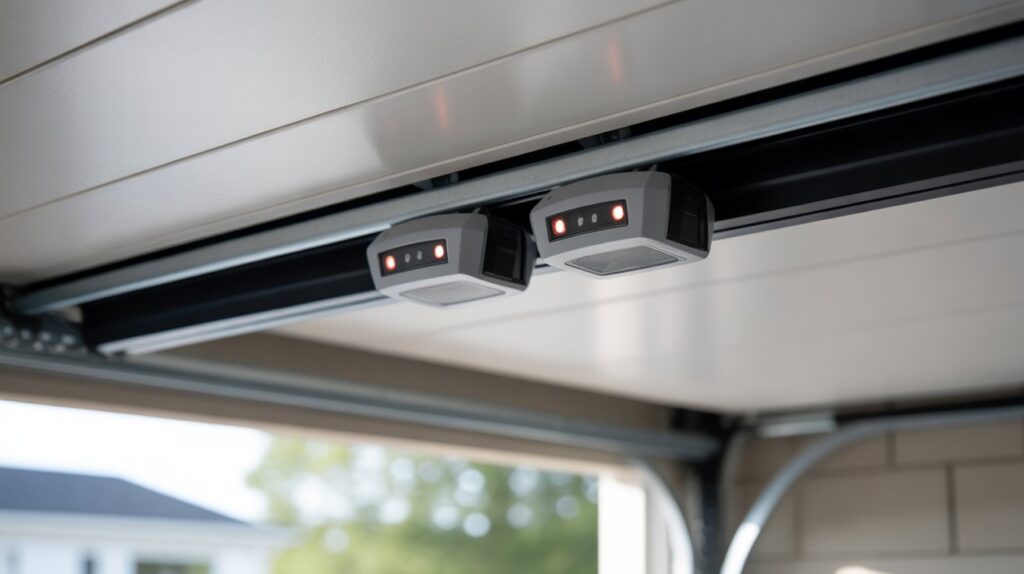
Garage door sensors typically use an infrared beam to detect obstructions. Each sensor has a small lens that transmits or receives the beam. If the lens is foggy or dirty, the beam can become misaligned or blocked, causing the door to malfunction. Recognizing when the lens is compromised is the first step in resolving sensor issues.
Common Signs Your Sensor Lens Needs Attention
There are several indicators that your garage door sensor lens may be fogged up or covered in dirt. Here are the most frequent symptoms:
- Intermittent Door Operation: The garage door reverses unexpectedly or refuses to close.
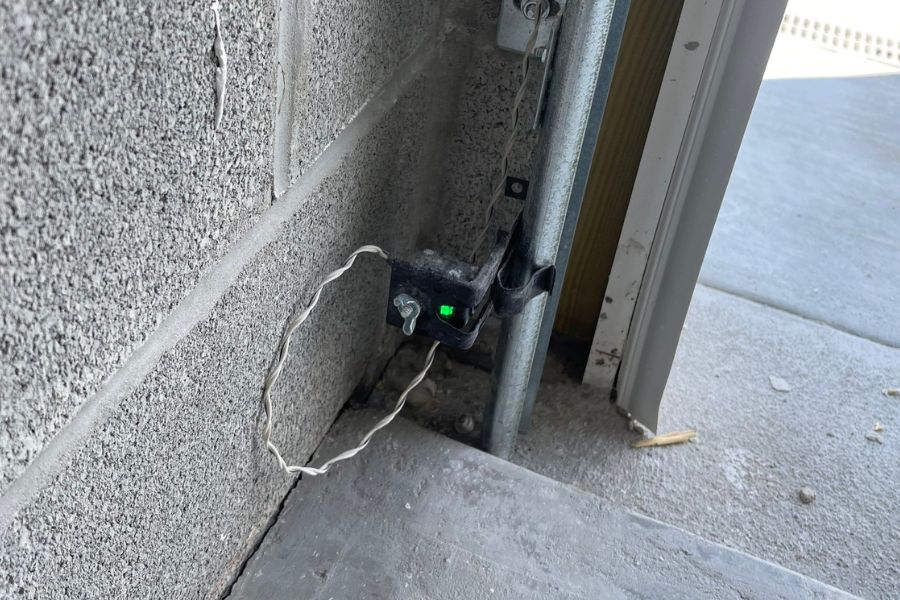
- Flashing Sensor Lights: Most sensors have an LED indicator. If it’s blinking, this often signals a problem with the lens or alignment.
- Physical Appearance: A cloudy, hazy, or visibly dirty lens is a clear sign of trouble.
- Unusual Sensor Sounds: Some sensors emit a faint click or beep when malfunctioning, though this is less common.
How to Inspect for a Foggy or Dirty Sensor Lens
To determine if your sensor lens is foggy or dirty, follow these steps:
- Turn Off the Power: For safety, disconnect the garage door opener from its power source before inspecting the sensors.
- Locate the Sensors: Find the two small units mounted near the bottom of the garage door tracks, facing each other.
- Visual Check: Examine the lens on each sensor. Look for condensation, dust, spider webs, or any film that could obscure the lens.
- Wipe the Lens: Use a soft, lint-free cloth. If the lens is foggy, gently wipe it. For stubborn grime, use a mild glass cleaner sprayed onto the cloth (never directly on the sensor).
- Check for Moisture: If the lens appears cloudy but doesn’t clear after wiping, there may be internal condensation. In this case, allow the sensor to dry out or consider replacing it if the fog persists.
- Restore Power and Test: Plug the opener back in and test the door. If the problem is resolved, the lens was likely the culprit.
Environmental Factors That Cause Lens Fogging
Several environmental conditions can contribute to a foggy sensor lens:
- Humidity: High moisture in the air can cause condensation on the lens, especially in climates with frequent temperature swings.
- Rain or Snow: Water droplets can accumulate on the sensor, leading to a hazy appearance.
- Dust and Pollen: Outdoor sensors are prone to collecting dust, pollen, and debris, which can obscure the lens over time.
- Garage Activities: Sawdust, paint, or chemicals used in the garage can settle on the sensors and create a film.
Regularly checking and cleaning the sensors can help prevent these issues and ensure reliable operation.
What to Do If Cleaning Doesn’t Fix the Problem
If you’ve cleaned the sensor lens and your garage door still won’t operate correctly, there could be other issues at play. Here are a few troubleshooting steps:
- Check Sensor Alignment: The sensors must face each other directly. If they’re misaligned, the beam won’t connect. Gently adjust the sensors until the indicator light is steady.
- Inspect Wiring: Loose or damaged wires can interrupt sensor function. If you suspect wiring problems, our guide on how to fix garage door sensor wiring using electrical tape offers step-by-step instructions.
- Look for Obstructions: Objects, cobwebs, or even insects can block the sensor beam. Make sure the path is clear.
- Replace Faulty Sensors: If the sensor lens remains foggy internally or the light doesn’t come on after cleaning and aligning, replacement may be necessary.
For more in-depth troubleshooting, you can refer to this comprehensive guide to garage door sensor troubleshooting that covers additional causes and solutions.
Preventative Maintenance for Garage Door Sensors
Keeping your garage door sensors in good condition is easier than dealing with unexpected malfunctions. Here are some maintenance tips:
- Regular Cleaning: Wipe the sensor lenses with a soft cloth every few months, or more often if your garage is exposed to dust or moisture.
- Check Alignment: After cleaning, verify that the sensors are still properly aligned.
- Inspect for Damage: Look for cracks, water damage, or corrosion on the sensor housing and wiring.
- Test the Door: Periodically test the door’s auto-reverse function by placing an object in the path and ensuring the door reverses as expected.
By following these steps, you can minimize the risk of sensor issues and keep your garage door operating smoothly.
Frequently Asked Questions
How can I tell if my garage door sensor lens is foggy or just dirty?
Foggy lenses usually appear cloudy or hazy even after wiping with a dry cloth, often due to internal condensation. Dirty lenses will typically clear up after cleaning with a soft, damp cloth. If the lens remains unclear, it’s likely foggy from moisture inside the sensor.
What should I do if cleaning the lens doesn’t fix my garage door sensor?
If cleaning doesn’t resolve the issue, check for sensor misalignment, damaged wiring, or internal condensation. You may need to realign the sensors, repair wiring, or replace the sensor if the lens is permanently fogged.
How often should I clean my garage door sensor lenses?
It’s a good idea to clean the sensor lenses every few months, or more frequently if your garage is prone to dust, pollen, or moisture. Regular maintenance helps prevent malfunctions and extends the life of your sensors.
Are there other reasons my garage door sensor might not work?
Yes, besides foggy or dirty lenses, issues like misaligned sensors, faulty wiring, or a dead transmitter can cause problems. For more information, see our article on why is my garage door sensor transmitter dead.
Conclusion
Identifying whether your garage door sensor lens is foggy or dirty is a simple but important step in maintaining your garage door’s safety and reliability. By regularly inspecting, cleaning, and troubleshooting your sensors, you can prevent many common malfunctions. If you encounter persistent problems, don’t hesitate to consult a professional or explore more detailed guides on sensor alignment and wiring. Keeping your sensors clear and functional ensures your garage door operates safely for years to come.