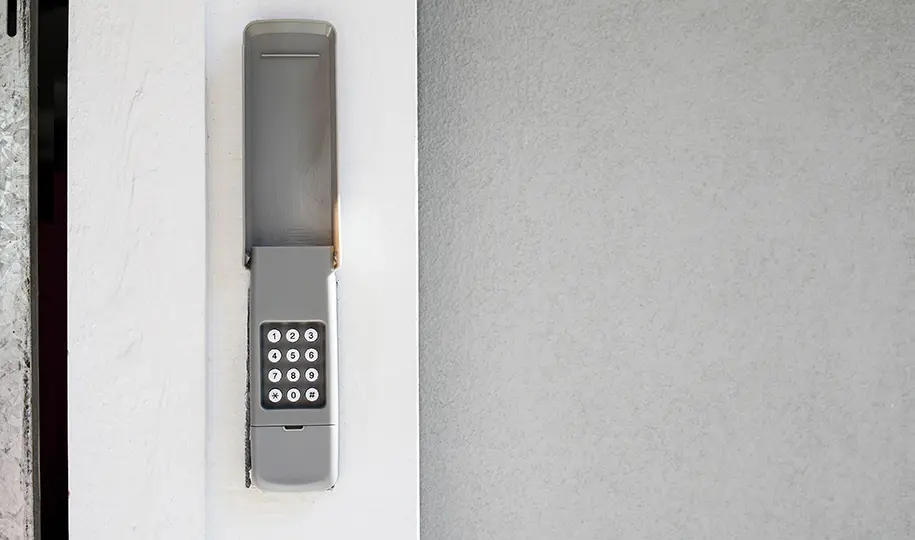
Outdoor keypads for garage doors offer convenience and security, but exposure to the elements can lead to problems—especially when moisture finds its way inside. Garage door keypad water damage is a common issue that can leave you locked out or dealing with unreliable access. Recognizing the signs early and knowing how to address them can save you time, money, and frustration.
This article covers the most common symptoms of water intrusion in garage keypads, practical steps for troubleshooting, and effective solutions to restore reliable operation. You’ll also find tips for preventing future issues, guidance on when to repair versus replace, and answers to frequently asked questions.
If you’re also troubleshooting other garage door issues, such as sensor problems, you may find this guide on how to fix garage door sensor mounting on metal studs helpful for broader maintenance tips.
How Moisture Affects Garage Door Keypads
Most exterior keypads are designed to withstand some exposure to rain and humidity. However, over time, seals can degrade, or water may seep in through cracks, worn buttons, or the battery compartment. When moisture reaches the internal circuitry, it can cause corrosion, short circuits, and unpredictable keypad behavior.
- Corrosion on circuit boards or battery terminals can disrupt electrical connections.
- Water inside the keypad may cause buttons to stick or stop responding.
- Repeated wetting and drying cycles accelerate wear and increase the risk of permanent failure.
Warning Signs of Water-Damaged Garage Keypads
Spotting the early symptoms of garage door keypad water damage can help you take action before the unit fails completely. Look for these common indicators:
- Keypad does not light up or respond when buttons are pressed
- Intermittent operation—sometimes works, sometimes doesn’t
- Buttons stick, feel mushy, or require extra force
- Visible condensation or water droplets inside the keypad cover
- Corroded, rusty, or greenish battery terminals
- Unusual beeping, flashing, or error codes
- Garage door opens or closes unexpectedly, or not at all
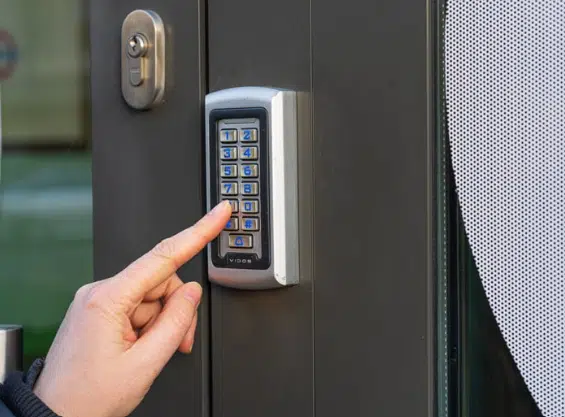
Steps to Diagnose and Fix Water Intrusion Issues
If you suspect your keypad has been compromised by moisture, follow these practical steps to diagnose and potentially resolve the problem:
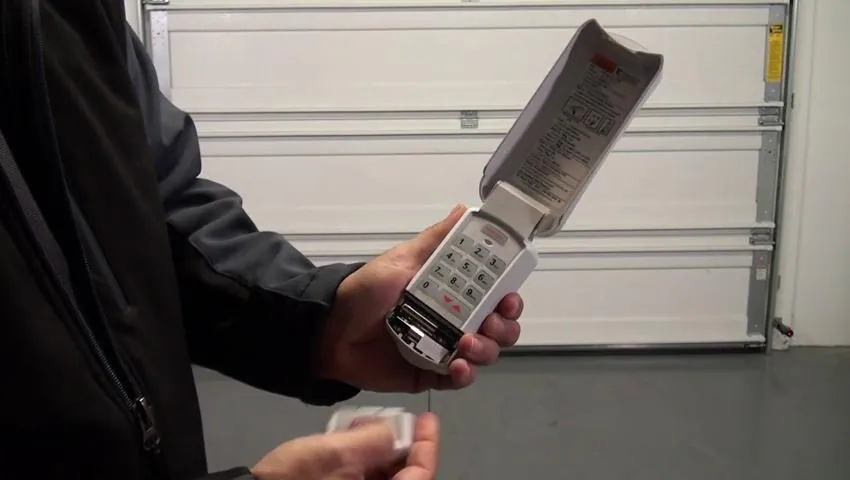
- Remove the Keypad Cover: Carefully open the unit and inspect for visible moisture, corrosion, or residue.
- Take Out the Batteries: Remove batteries immediately if you see any sign of water or corrosion. Clean the terminals with a cotton swab and a small amount of white vinegar if needed.
- Dry the Interior: Leave the cover open and allow the keypad to air dry in a warm, dry place for at least 24 hours. Avoid using a hair dryer or heat gun, as excessive heat can damage plastic components.
- Clean Corroded Contacts: Gently scrub any corroded areas on the circuit board or battery contacts using a soft brush and isopropyl alcohol.
- Reinstall Batteries and Test: Once fully dry, insert fresh batteries and test the keypad. If it works, monitor for recurring issues.
- Replace if Necessary: If the keypad still malfunctions, the internal circuitry may be permanently damaged. Replacement is often the most reliable solution.
For more troubleshooting tips on related garage door electronics, see this article on why is my garage door sensor transmitter dead.
Preventing Future Water Damage to Garage Keypads
Once you’ve addressed the immediate issue, it’s important to protect your new or repaired keypad from future moisture problems. Consider these strategies:
- Install a Weather Shield: Many manufacturers offer snap-on covers or shields that deflect rain and snow.
- Check Seals and Gaskets: Inspect the rubber or foam seals around the keypad and replace if cracked or missing.
- Mount in a Sheltered Location: Position the keypad under an eave or awning if possible, away from direct rainfall.
- Use Silicone Sealant: Apply a thin bead of outdoor-grade silicone around seams and screw holes to block water entry.
- Regular Maintenance: Open the keypad periodically to check for early signs of moisture and address issues promptly.
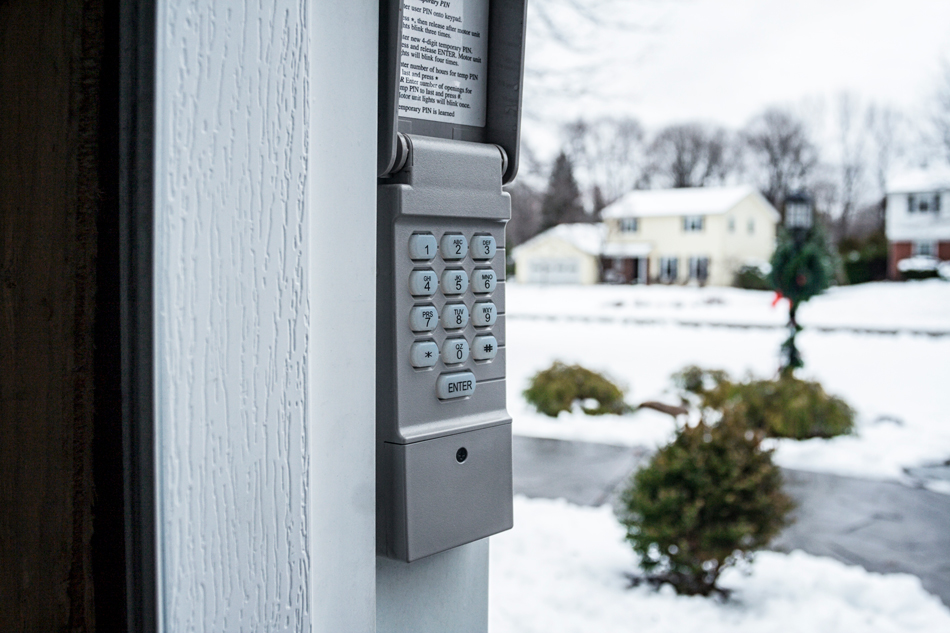
Repair or Replace? Making the Right Choice
Deciding whether to repair a water-damaged keypad or invest in a new one depends on the extent of the damage and the age of the unit. Minor corrosion or temporary malfunctions can often be fixed with cleaning and drying. However, if the keypad is several years old, or if the internal electronics are visibly corroded or non-functional after drying, replacement is usually the best option for long-term reliability.
When shopping for a new unit, look for models with improved weather resistance and positive customer reviews. For a selection of reliable options, consider browsing frequently asked questions about garage door keypads to help inform your purchase.
Additional Resources for Garage Door Troubleshooting
Water intrusion isn’t the only issue that can affect your garage door’s electronic components. If you notice problems with sensors, wiring, or unusual noises, explore these related guides:
- How to Fix Garage Door Sensor Wiring Using Electrical Tape
- Why Is My Garage Door Sensor Light Blinking Twice? (Solved)
- How to Fix Garage Door Sensor Hum or Buzzing Noise Issues
Frequently Asked Questions
Can I waterproof my existing garage keypad?
While you can’t make most keypads fully waterproof, you can improve their resistance to moisture. Use a weather shield, apply silicone sealant around seams, and ensure the unit is mounted in a sheltered area. Regularly inspect for cracks or worn seals and address them promptly.
How do I know if my keypad needs to be replaced?
If your keypad remains unresponsive after drying and cleaning, or if you see extensive corrosion on the circuit board, replacement is likely necessary. Persistent malfunctions, even after battery changes and cleaning, are strong indicators that the internal electronics have failed.
Are there keypads designed to resist water damage?
Yes, many modern keypads are built with improved weather resistance, including better seals and more robust enclosures. When purchasing a replacement, look for models advertised as weatherproof or outdoor-rated for the best protection against moisture.