Ensuring your garage door motor is functioning correctly is essential for both convenience and safety. A malfunctioning opener can leave your vehicle trapped, compromise home security, or even pose a risk of injury. Learning how to test garage door motor performance helps you identify issues early and keep your system running smoothly. This guide covers step-by-step methods, common symptoms of trouble, and practical troubleshooting tips for homeowners.
Before diving into the testing process, it’s helpful to understand the role of the motor in your garage door system. The motor powers the opener, which lifts and lowers the door via a chain, belt, or screw drive. If the motor isn’t working as intended, the entire system can become unreliable or even inoperable.
For those dealing with related sensor issues, you might also find value in learning how to fix garage door sensor mounting on metal studs, which can impact the overall operation of your garage door system.
Recognizing Signs of Motor Problems
Before you begin testing, it’s important to identify symptoms that suggest your opener’s motor may need attention. Here are some common indicators:
- Unusual noises such as grinding, humming, or squealing during operation
- The door moves slower than usual or struggles to open/close
- Intermittent operation or the door stops partway
- The motor runs but the door doesn’t move
- Burning smells or visible smoke from the opener housing
If you notice any of these issues, it’s time to perform a thorough check of your garage door motor’s performance.
Preparing for a Safe Inspection
Safety should always come first when working with electrical components and moving parts. Follow these precautions before testing your garage door motor:
- Unplug the opener from the power outlet before opening the housing
- Keep hands, tools, and clothing clear of moving parts
- Use a sturdy ladder and have a helper if needed
- Wear protective gloves and safety glasses
Gather the following tools for a basic inspection:
- Screwdriver set
- Multimeter (for electrical testing)
- Lubricant spray (for maintenance)
- Flashlight
Step-by-Step Guide to Testing Your Garage Door Motor
Follow these steps to check if your garage door opener motor is working properly:
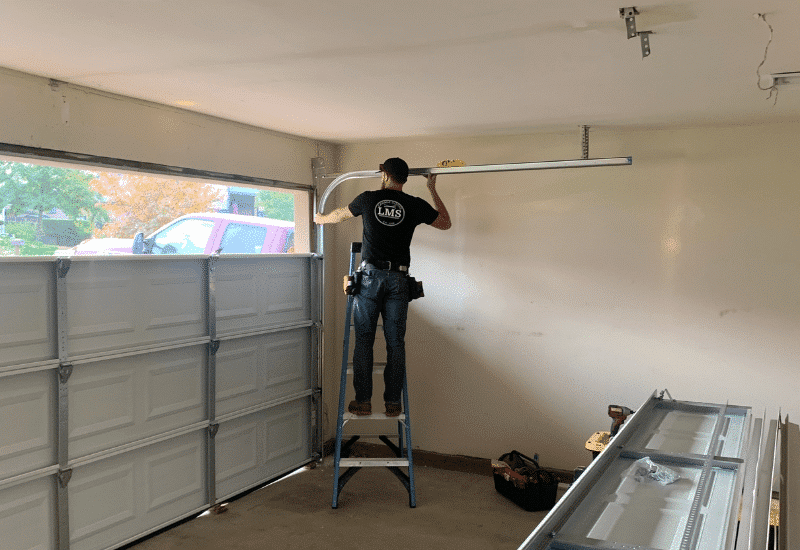
1. Visual and Manual Inspection
Start by examining the opener and its surroundings:
- Look for loose wires, burnt components, or debris inside the opener housing
- Check the drive chain, belt, or screw for tension and wear
- Manually open and close the garage door (with the opener disconnected) to ensure the door itself moves freely
2. Power and Remote Control Test
Plug the opener back in and try operating the door using both the wall switch and the remote. Observe the following:
- Does the motor respond to commands from both controls?
- Is there a delay, or does the motor fail to start?
- Does the door move smoothly, or does it hesitate or stop?
If the motor doesn’t respond, check the power supply and replace remote batteries if needed.
3. Listening for Motor Sounds
Pay close attention to the sounds the opener makes during operation. A healthy motor should run smoothly with minimal noise. Grinding, buzzing, or humming noises may indicate worn gears, electrical issues, or a failing motor.
4. Testing Motor Voltage with a Multimeter
To test the electrical output, use a multimeter:
- Unplug the opener and remove the cover to access the motor terminals.
- Set your multimeter to the appropriate voltage setting.
- Reconnect power and carefully test the voltage at the motor terminals while activating the opener.
- Compare the reading to the manufacturer’s specifications (usually found in the manual or on the opener label).
If the voltage is significantly lower than specified, the motor or circuit board may be faulty.
5. Checking for Overheating or Burnt Components
After running the opener for a few cycles, feel the motor housing (carefully) to check for excessive heat. A hot or burning smell can indicate internal failure. Inspect for burnt wires or melted insulation inside the housing.
Common Issues and Troubleshooting Tips
Some problems can be addressed with simple fixes, while others may require professional help. Here are a few common issues and solutions:
| Symptom | Possible Cause | Suggested Action |
|---|---|---|
| Motor runs but door doesn’t move | Broken drive gear or disconnected chain/belt | Inspect and replace worn parts |
| Door stops halfway | Obstruction, misaligned sensors, or faulty limit switch | Clear obstructions, realign sensors, adjust limits |
| Motor hums but doesn’t move | Capacitor failure or jammed mechanism | Replace capacitor, lubricate moving parts |
| Intermittent operation | Loose wiring or faulty remote | Check connections, replace batteries |
If you’re experiencing a door that stops partway, you may find additional troubleshooting advice in this guide to fixing garage doors that stop halfway.
When to Call a Professional
While many garage door opener issues can be diagnosed and resolved by homeowners, some situations require expert attention. If you encounter:
- Electrical shorts or burnt wiring
- Repeated blown fuses or tripped breakers
- Persistent motor overheating
- Complex circuit board failures
It’s best to contact a qualified technician. Attempting advanced repairs without proper training can be dangerous and may void your warranty.
Preventive Maintenance for Garage Door Motors
Regular maintenance can extend the life of your opener and reduce the need for repairs. Here are some tips:
- Lubricate moving parts every six months using a recommended spray
- Inspect and tighten hardware periodically
- Test safety sensors and auto-reverse features monthly
- Keep the opener housing clean and free of dust
For more on sensor-related troubleshooting, see our article on why is my garage door sensor indicator light missing.
Frequently Asked Questions
What are the most common reasons a garage door motor stops working?
The most frequent causes include worn gears, electrical issues, capacitor failure, and obstructions in the door mechanism. Sometimes, a simple power reset or battery replacement in the remote can resolve the issue.
Can I replace a garage door motor myself?
While some handy homeowners can replace a motor, it involves working with electrical wiring and heavy components. If you’re not experienced, it’s safer and more efficient to hire a professional installer.
How often should I test my garage door opener motor?
It’s a good idea to check your opener’s operation every few months, especially before seasonal changes. Regular testing and maintenance help prevent unexpected failures and extend the lifespan of your system.
What should I do if my garage door only opens partway?
This could be due to misaligned sensors, a faulty limit switch, or an obstruction. Start by checking for obvious blockages and realigning the sensors. If the problem persists, consult a troubleshooting guide or call a technician.
Conclusion
Knowing how to test garage door motor performance is a valuable skill for any homeowner. By following these steps, you can quickly identify issues, perform basic troubleshooting, and decide when to seek professional help. Regular inspection and maintenance not only keep your garage door running smoothly but also enhance the safety and security of your home.