Garage door sensors are a vital safety feature, preventing accidents and ensuring your garage door operates smoothly. When these sensors malfunction, your garage door may refuse to close or behave unpredictably. Understanding how to troubleshoot linear garage door sensors can save time, money, and frustration. This article provides a clear, step-by-step approach to diagnosing and resolving common sensor issues, helping you restore safe and reliable operation to your garage door.
Whether you’re a homeowner or a property manager, learning to identify sensor problems can help you avoid unnecessary service calls. We’ll cover the most frequent causes of sensor malfunctions, practical troubleshooting steps, and tips for maintaining your system. If you’re dealing with mounting challenges, you may also find it helpful to review how to fix garage door sensor mounting on metal studs for additional guidance.
Understanding Linear Garage Door Sensor Systems
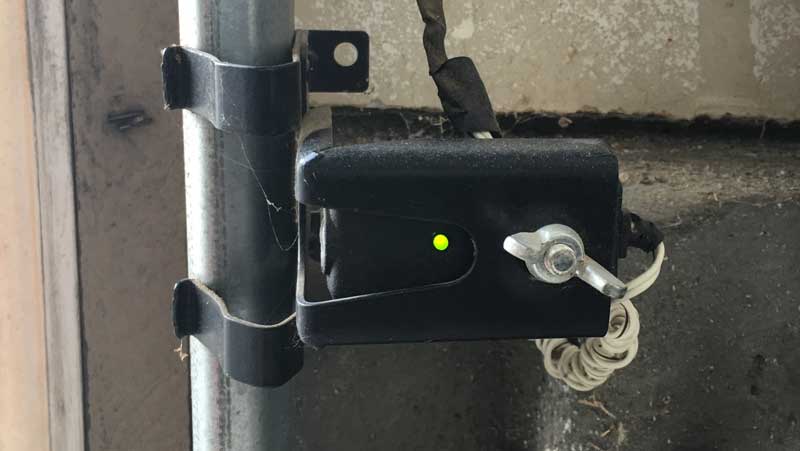
Linear garage door sensors work by transmitting an invisible beam between two units—one sender and one receiver—mounted near the base of the door tracks. If the beam is interrupted, the door will not close, protecting people, pets, and property. When troubleshooting, it’s important to understand the basic components:
- Sender (Transmitter): Emits the infrared beam.
- Receiver: Detects the beam and signals the opener to allow the door to close.
- Indicator Lights: Show sensor status (solid, blinking, or off).
- Wiring: Connects sensors to the garage door opener.
Problems can arise from misalignment, dirt, wiring faults, or component failure. Recognizing these elements helps you systematically address issues.
Common Signs Your Garage Door Sensors Need Attention
Before starting any repairs, look for these typical symptoms of sensor trouble:
- The garage door reverses immediately after touching the floor.
- The door won’t close and the opener light blinks.
- One or both sensor indicator lights are off or blinking.
- The door only closes when you hold the wall button down.
These signs often point to alignment issues, obstructions, or electrical faults. For more on diagnosing blinking lights, see why is my garage door sensor light blinking twice.
Step-by-Step Guide: Diagnosing Linear Garage Door Sensor Issues
Follow these steps to pinpoint and resolve problems with your sensors:
- Check for Obstructions: Remove any objects, debris, or spider webs blocking the sensor beam. Even small items can interrupt the signal.
- Inspect Sensor Alignment: Both units should face each other directly. Adjust their positions until both indicator lights are steady. A blinking or off light usually means misalignment.
- Clean the Sensor Lenses: Dust, dirt, or moisture on the lenses can disrupt the beam. Gently wipe each lens with a soft, dry cloth.
- Examine the Wiring: Look for loose, frayed, or disconnected wires at the sensors and opener. Secure any loose connections. If you suspect a wiring issue, you might benefit from this guide on how to fix garage door sensor wiring using electrical tape.
- Test the Sensors: Activate the garage door. If it closes properly, the issue is resolved. If not, proceed to the next steps.
- Swap the Sensors: If possible, switch the positions of the sender and receiver. If the problem moves with the sensor, that unit may be faulty.
- Check for Power: Ensure both sensors are receiving power. If neither light is on, check the opener’s power source and fuse.
Advanced Troubleshooting for Persistent Sensor Problems
If basic steps don’t resolve the issue, try these additional checks:
- Interference: Strong sunlight or fluorescent lighting can interfere with infrared beams. Try shading the sensors or testing at different times of day.
- Component Failure: If one sensor’s light never comes on, it may be defective. Replacement may be necessary.
- Opener Logic Board: Rarely, the opener’s internal electronics may fail. If all else fails, consult your opener’s manual or contact a professional.
For issues related to sensor noise, such as humming or buzzing, refer to how to fix garage door sensor hum or buzz for targeted solutions.
Maintenance Tips to Prevent Future Sensor Issues
Regular maintenance can help avoid sensor failures and keep your garage door operating safely:
- Keep the sensor lenses clean and free from dust or moisture.
- Check alignment monthly, especially after accidental bumps or vibrations.
- Inspect wiring for signs of wear or damage.
- Test the door’s safety reversal feature periodically.
Proactive care reduces the risk of unexpected malfunctions and extends the lifespan of your garage door system.

When to Call a Professional for Garage Door Sensor Repairs
While many sensor issues can be resolved with DIY troubleshooting, some situations require expert help:
- Persistent problems after following all troubleshooting steps
- Visible damage to sensors or wiring
- Opener malfunctions unrelated to the sensors
- Unfamiliarity with electrical work or safety concerns
If your transmitter is unresponsive, you may want to consult why is my garage door sensor transmitter dead for a focused guide on transmitter issues.
For more in-depth troubleshooting tips, you can also review this comprehensive guide to troubleshooting garage door sensors from All Style Door.
Frequently Asked Questions
What causes my garage door sensors to stop working suddenly?
Sudden sensor failures are often caused by accidental bumps, loose wiring, dirt on the lenses, or power interruptions. Environmental factors like direct sunlight or moisture can also disrupt sensor function.
How do I know if my sensor is misaligned?
If one or both indicator lights are blinking or off, or if the door won’t close unless you hold the wall button, misalignment is likely. Adjust the sensors until both lights are steady.
Can I bypass garage door sensors temporarily?
Most openers allow you to close the door by holding the wall-mounted button, which overrides the sensors. However, this disables the safety feature and should only be used as a temporary measure until repairs are made.
How often should I clean and check my sensors?
It’s best to clean the lenses and check alignment at least once a month, or more frequently if your garage is dusty or exposed to the elements.