If you’ve noticed that the small indicator light on your garage door safety sensor isn’t shining as brightly as it used to, you’re not alone. A dim sensor light can signal a range of issues, from simple dirt buildup to more complex electrical problems. Understanding the reasons behind a faint sensor light is crucial for both safety and the reliable operation of your garage door system. In this guide, we’ll break down the most common causes, practical troubleshooting steps, and effective solutions to restore your sensor’s performance.
Before diving into diagnostics, it’s important to remember that garage door sensors are a critical safety feature. They prevent the door from closing if something is in its path, protecting people, pets, and property. When the sensor light is dim, it could mean the safety system isn’t working as intended, so prompt attention is essential.
For those dealing with mounting or wiring challenges, you may also find helpful information in our article on how to fix garage door sensor mounting on metal studs.
Understanding Garage Door Sensor Lights
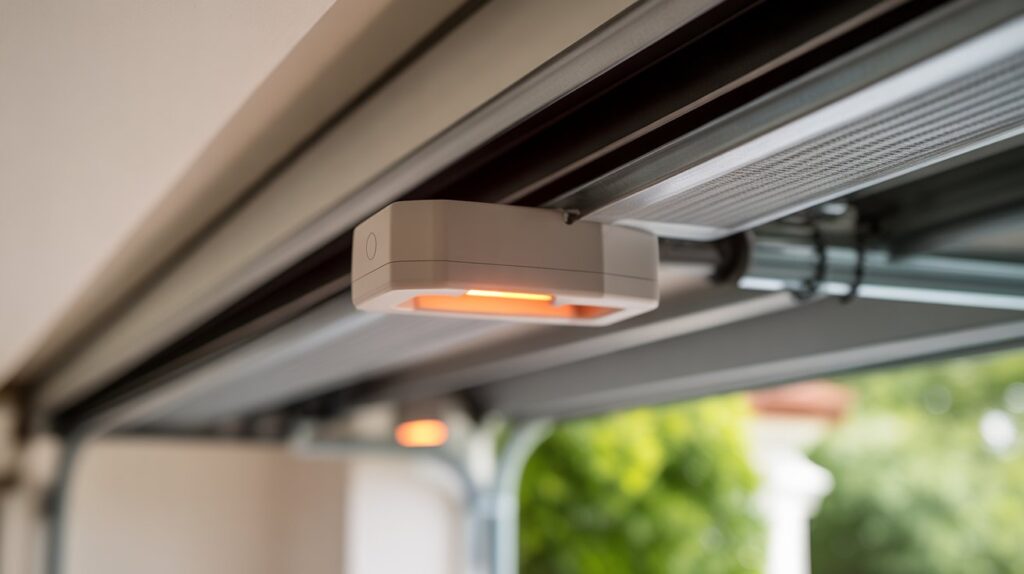
Most modern garage door openers use a pair of sensors, often called photo eyes, installed near the base of the door tracks. These sensors communicate with each other using an invisible infrared beam. Each sensor typically has a small LED indicator light. When the system is working properly, these lights are usually bright and steady.
A dim sensor light often indicates a problem with power, alignment, or the sensor’s internal components. If left unresolved, it can prevent your garage door from closing or compromise the safety features that protect your family and belongings.
Main Reasons for a Faint Garage Door Sensor Light
Let’s explore the most common causes for a weak or barely visible sensor light:
- Dirt and Debris: Dust, spider webs, or grime on the sensor lens can block the infrared beam and cause the light to appear faint.
- Misalignment: If the sensors are not facing each other perfectly, the beam may not be received correctly, resulting in a dim or flickering light.
- Wiring Issues: Loose, frayed, or corroded wires can reduce the power reaching the sensor, causing the LED to dim.
- Electrical Interference: Nearby electronics or faulty power supplies can disrupt the sensor’s operation.
- Old or Faulty Sensors: Over time, sensors can degrade or fail, leading to weak indicator lights even if everything else appears normal.
How to Troubleshoot a Dim Garage Door Sensor Light
Addressing a faint sensor light involves a step-by-step process to identify and resolve the root cause. Here’s a practical approach:
1. Clean the Sensor Lenses
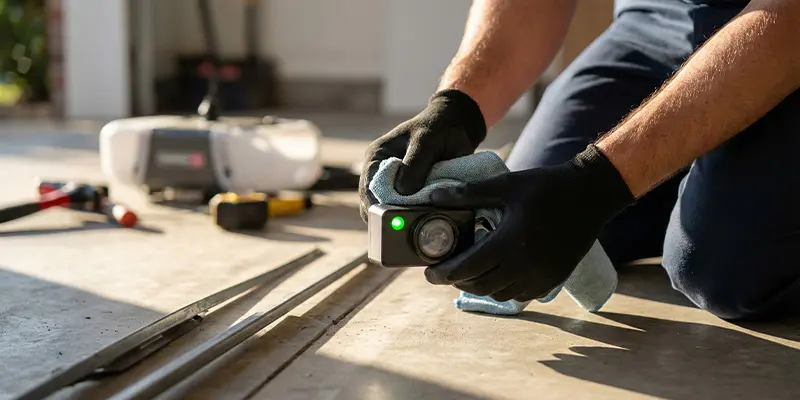
Start by gently wiping both sensor lenses with a soft, dry cloth. Even a thin layer of dust can interfere with the infrared beam and make the light appear dim. Avoid using harsh chemicals, as they can damage the lens.
2. Check Sensor Alignment
Misaligned sensors are a frequent culprit. Both sensors should face each other directly, with their lenses parallel. Adjust the brackets or gently move the sensors until the light becomes brighter and steady. If the light flickers or remains faint, continue troubleshooting.
If you’re dealing with sensor mounting on metal surfaces, see our guide on how to fix garage door sensor mounting on metal studs for additional tips.
3. Inspect the Wiring
Carefully examine the wires leading to each sensor. Look for loose connections, frayed insulation, or corrosion at the terminals. Tighten any loose screws and, if needed, use electrical tape to secure exposed wires. For more detailed instructions, check out our resource on how to fix garage door sensor wiring using electrical tape.
4. Test for Electrical Interference
Other devices or faulty outlets can sometimes cause interference. Try unplugging nearby electronics or plugging the garage door opener into a different outlet to see if the sensor light brightens.
5. Replace Faulty Sensors
If you’ve cleaned, realigned, and checked the wiring but the light remains dim, the sensor itself may be failing. Sensors can wear out over time, especially in garages exposed to moisture or extreme temperatures. Replacement sensors are widely available and easy to install for most homeowners.
When to Seek Professional Help
While many sensor issues can be resolved with basic troubleshooting, some situations call for professional assistance. If you notice burnt wires, persistent electrical problems, or if replacing the sensor doesn’t resolve the issue, it’s best to contact a qualified garage door technician. They can safely diagnose wiring faults, replace damaged components, and ensure your system meets safety standards.
If your sensor light is blinking instead of being dim, you may want to review our article on why is my garage door sensor light blinking twice for more targeted troubleshooting.
Preventing Future Sensor Light Problems
Keeping your garage door sensors in top condition helps prevent future issues. Here are some maintenance tips:
- Regular Cleaning: Wipe the sensor lenses every few months to remove dust and debris.
- Check Alignment: Inspect sensor alignment after any impact or if the door is bumped.
- Inspect Wiring: Look for signs of wear or damage, especially after storms or rodent activity.
- Test Operation: Periodically test the safety reversal system by placing an object in the door’s path and ensuring it reverses properly.
For more troubleshooting advice, see this comprehensive guide to garage door sensor troubleshooting.
Related Sensor Issues
If you’re experiencing other sensor-related problems, such as a completely dead transmitter or unusual noises, we have additional resources to help:
- Learn what to do if your garage door sensor transmitter is dead.
- Find solutions for garage door sensor hum or buzzing noise.
Frequently Asked Questions
What does a dim garage door sensor light mean?
A faint sensor light usually signals a problem with power, alignment, or the sensor’s internal components. It’s a warning that the safety system may not be working correctly, and immediate troubleshooting is recommended.
Can I fix a weak sensor light myself?
Yes, many causes—such as dirt, misalignment, or loose wires—can be fixed with basic tools and careful inspection. However, if the problem persists after cleaning and adjusting, or if you notice damaged wiring, it’s best to consult a professional.
How often should I check my garage door sensors?
It’s a good idea to inspect and clean your sensors every few months, especially if your garage is dusty or prone to cobwebs. Always check alignment and wiring after any impact or if the door behaves unpredictably.
Is it safe to use my garage door if the sensor light is dim?
Using your garage door with a faint sensor light is not recommended, as the safety reversal system may not function properly. Address the issue promptly to ensure safe operation.