Garage door sensors are essential for safety, preventing the door from closing if something is in its path. But accidents happen—sometimes a car bumps into the sensor, knocking it out of alignment or damaging it. If your garage door won’t close or the sensor lights are blinking after such an incident, you’re not alone. This guide explains how to fix garage door sensor that was hit by a car, from quick checks to more involved repairs, so you can restore your garage door’s function and safety.
Before diving into repairs, it’s important to understand how these sensors work and what signs indicate they’ve been affected by an impact. If you notice the indicator light is missing or behaving oddly, you might also find this resource on why is my garage door sensor indicator light missing helpful for additional troubleshooting.
Understanding Garage Door Sensors and Impact Damage
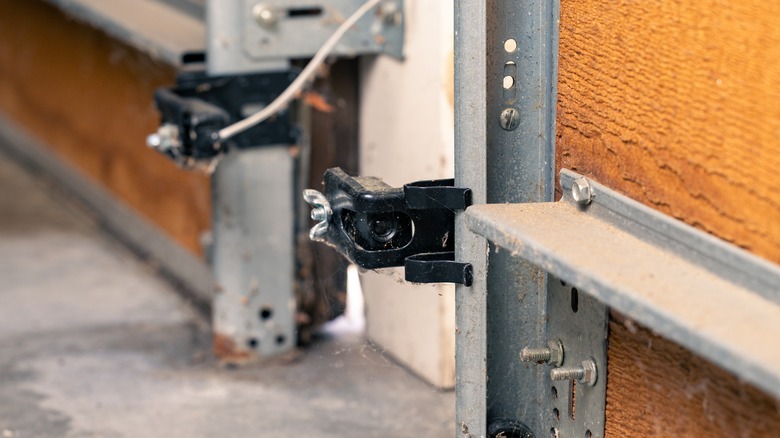
Garage door sensors, also known as photo-eye sensors, are typically mounted near the bottom of the door tracks, about six inches above the ground. They work in pairs: one emits an infrared beam, and the other receives it. If the beam is interrupted, the door won’t close. When a car hits one of these sensors, several problems can occur:
- Misalignment – The most common issue. The sensors need to be directly facing each other to function.
- Physical damage – Cracked housings, broken brackets, or damaged wires can prevent operation.
- Electrical issues – A hard impact could loosen connections or break wires inside the sensor or at the opener.
Recognizing the symptoms of a sensor problem is the first step toward a solution. Typical signs include blinking sensor lights, the garage door reversing unexpectedly, or the door refusing to close at all.
Initial Inspection and Safety Precautions
Before attempting any repairs, always ensure your safety. Disconnect power to the garage door opener to avoid accidental operation. Visually inspect both sensors and their brackets for obvious signs of damage or misalignment. If the sensor is hanging loosely, cracked, or the wires are exposed, you’ll need to address these issues before the system can work properly.
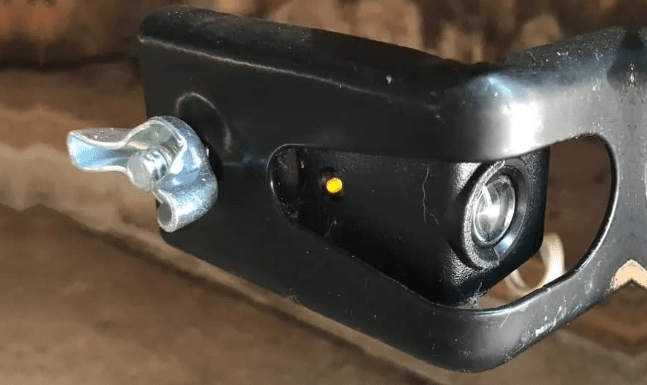
Check the indicator lights on both sensors. A steady light usually means the sensor is aligned and functioning, while a blinking or off light indicates a problem. For more details on sensor light behavior, you can refer to this guide to garage door sensor lights and their meanings.
Step-by-Step Guide: Realigning and Repairing a Knocked Sensor
Follow these steps to restore your garage door sensor’s function after it’s been bumped by a vehicle:
1. Realign the Sensors
Often, a simple realignment is all that’s needed. Loosen the mounting bracket screw, gently adjust the sensor so it faces its counterpart directly, and then retighten the screw. Most sensors have indicator lights that glow steadily when aligned. If the light remains off or blinks, continue troubleshooting.
2. Check for Physical Damage
If the sensor’s plastic housing or lens is cracked, or if the mounting bracket is bent, you may need to replace these parts. A bent bracket can prevent proper alignment. For more on dealing with bracket issues, see this article on how to fix garage door sensor bracket bending.
Inspect the wiring for any visible cuts, frays, or disconnections. If you find damaged wires, they may need to be reconnected or replaced. Always ensure power is off before handling wires.
3. Clean the Sensor Lenses
Sometimes, dirt or debris from the impact can cover the sensor lens, blocking the infrared beam. Use a soft, dry cloth to gently clean the lens on both sensors. Avoid using water or harsh chemicals, as these can damage sensitive electronics.
4. Test the System
Once you’ve realigned and checked the sensors, restore power to the opener. Try closing the garage door using the wall button or remote. If the door closes smoothly and the sensor lights remain steady, the issue is resolved. If not, further troubleshooting is needed.
Advanced Troubleshooting for Persistent Issues
If basic adjustments don’t restore function, consider these additional steps:
- Swap the sensors – If you have a compatible spare, try swapping sensors to determine if one is faulty.
- Check the wiring at the opener – Sometimes the impact can loosen wires at the opener’s terminal block. Tighten any loose connections.
- Replace the sensor – If the sensor is physically broken or the light won’t turn on despite proper wiring, replacement is likely necessary.
For doors mounted on metal studs or with unique installation needs, you may want to consult this guide on how to fix garage door sensor mounting on metal studs for specialized advice.
Preventing Future Sensor Damage
To avoid repeating the problem, consider these tips:
- Install protective covers or guards around the sensors, especially if your garage is tight or frequently used.
- Mark the sensor area with reflective tape or paint to make it more visible when parking.
- Regularly check and clean the sensors to ensure they remain in good working order.
Temperature changes can also affect sensor alignment. If you notice recurring issues during seasonal shifts, see this advice on how to fix garage door sensor from shifting due to temperature.
When to Call a Professional
If you’ve tried all the above steps and your garage door still won’t function properly, or if you’re uncomfortable working with electrical components, it’s best to contact a professional garage door technician. Persistent issues could indicate deeper problems with the opener, wiring, or safety systems that require specialized tools and expertise.
Frequently Asked Questions
Can I temporarily bypass a damaged garage door sensor?
While some openers allow you to close the door by holding the wall button, bypassing the sensor is not recommended as a long-term solution. The sensors are a critical safety feature, and operating the door without them can be hazardous.
How do I know if my sensor needs replacement?
If the sensor’s indicator light won’t turn on after checking alignment and wiring, or if the housing is cracked or the lens is damaged, replacement is usually necessary. Sensors are relatively inexpensive and easy to install.
What does a blinking sensor light mean?
A blinking light typically signals misalignment or an obstruction between the sensors. It can also indicate wiring issues or a faulty sensor. For more details, refer to the guide to garage door sensor lights and their meanings.
Can cold weather affect my garage door sensors?
Yes, temperature changes can cause brackets to expand or contract, leading to misalignment. Regularly check sensor alignment, especially after significant weather changes.
Conclusion
Dealing with a garage door sensor that’s been hit by a car can be frustrating, but most issues are fixable with basic tools and careful inspection. By following the steps outlined above, you can restore your garage door’s safety features and avoid future problems. If you encounter persistent issues or are unsure about any repair, don’t hesitate to seek professional help to ensure your garage remains safe and functional.