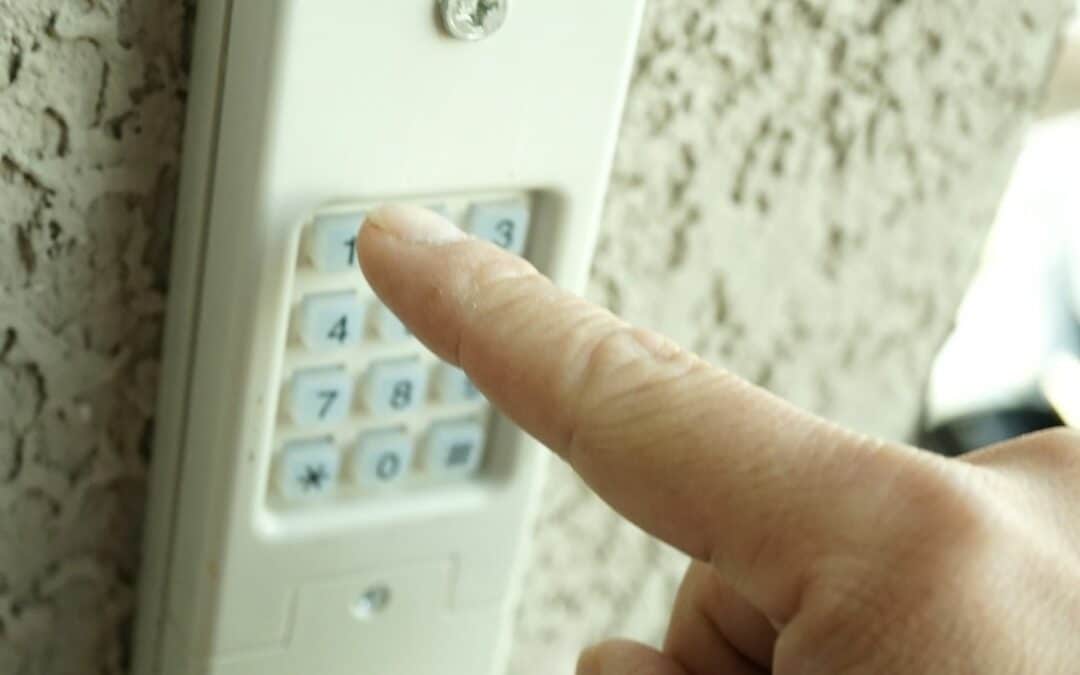
Garage door keypads offer a convenient and secure way to access your garage without a physical key. When these devices malfunction, many homeowners consider tackling repairs themselves to save money and time. However, attempting to fix a garage door keypad without professional expertise can introduce a range of hazards and complications. Understanding the DIY garage door keypad repair risks is crucial before picking up a screwdriver or ordering replacement parts.
While some minor troubleshooting steps may seem straightforward, keypad repairs often involve electrical components, sensitive wiring, and security systems that can be easily damaged. This article explores the most common dangers, mistakes, and hidden costs associated with do-it-yourself repairs, helping you make an informed decision about whether to proceed or call a professional.
For those dealing with related garage door sensor issues, you might also find guidance in resources like how to fix garage door sensor mounting on metal studs, which addresses another common DIY challenge.
Common Hazards of Attempting Keypad Repairs Yourself
Working on a garage door keypad without proper knowledge can expose you to several risks. Here are some of the most significant:
- Electrical Shock: Keypads are wired into your garage door opener’s power supply. Mishandling wires or failing to disconnect power can result in electric shock, especially if you’re unfamiliar with basic electrical safety.
- Short Circuits: Incorrectly reconnecting wires or using improper tools can create short circuits, potentially damaging the keypad, opener, or even your home’s electrical system.
- Security Vulnerabilities: A poorly repaired keypad may not function correctly, leaving your garage—and by extension, your home—more vulnerable to unauthorized access.
- Warranty Voiding: Many garage door keypads and openers come with manufacturer warranties. DIY repairs can void these warranties, leaving you responsible for future repairs or replacements.
Typical Mistakes Homeowners Make During DIY Repairs
Even with the best intentions, it’s easy to make errors when working on garage door keypads. Some of the most frequent mistakes include:
- Using Incorrect Replacement Parts: Not all keypads are universal. Installing incompatible parts can cause malfunctions or permanent damage.
- Improper Reprogramming: After replacing or repairing a keypad, reprogramming it to sync with your opener can be tricky. Mistakes here may prevent the keypad from working or compromise security.
- Neglecting Safety Precautions: Failing to turn off the power supply or using the wrong tools increases the risk of injury and damage.
- Overlooking Underlying Issues: Sometimes, the keypad isn’t the root cause of the problem. Faulty wiring, dead batteries, or issues with the garage door opener itself can go undetected, leading to repeated failures.
How DIY Garage Door Keypad Repair Risks Affect Home Security
One of the most overlooked consequences of amateur repairs is the potential impact on your home’s security. A malfunctioning or improperly installed keypad can:
- Allow unauthorized individuals to gain access if the keypad is stuck in an unlocked state or if the security code is not properly reset.
- Fail to communicate with the garage door opener, leaving the door vulnerable to forced entry.
- Expose sensitive wiring or components, making it easier for intruders to bypass the system.
For more information on garage door security and keypad considerations, you can refer to this comprehensive guide to garage door keypads.
When to Call a Professional Instead of Attempting Repairs
While replacing batteries or cleaning keypad buttons is generally safe, most other repairs are best left to trained technicians. Consider seeking professional help if you encounter:
- Persistent error codes or flashing lights on the keypad.
- Visible damage to wiring, circuit boards, or the keypad housing.
- Repeated failures after attempting basic troubleshooting steps.
- Uncertainty about the correct replacement parts or programming procedures.
Professionals have the tools and experience to diagnose issues accurately, ensure safe repairs, and maintain the integrity of your home’s security system. They can also spot related issues, such as sensor misalignment or opener malfunctions, that might be contributing to keypad problems. If you notice issues like sensor lights turning off and on, resources such as why is my garage door sensor light turning off and on can provide additional troubleshooting tips.
Cost Considerations: DIY vs. Professional Repair
At first glance, fixing a garage door keypad yourself may seem like a cost-effective solution. However, the hidden expenses of DIY repairs can quickly add up:
- Replacement Parts: Purchasing the wrong parts or damaging components can lead to additional purchases.
- Tools: Specialized tools may be required for safe and effective repairs.
- Potential Damage: Mistakes can cause further harm to the keypad or opener, resulting in higher repair bills down the line.
- Time Investment: Troubleshooting and repairing without experience often takes much longer than anticipated.
In many cases, hiring a professional is more cost-effective in the long run, especially when factoring in the value of your time, peace of mind, and the protection of your home’s security.
Preventing Problems with Garage Door Keypads
While some keypad failures are unavoidable, regular maintenance can reduce the likelihood of malfunctions. Here are a few tips:
- Replace batteries annually or as soon as you notice decreased responsiveness.
- Keep the keypad clean and free from dirt, dust, and moisture.
- Inspect for visible signs of wear, such as cracked buttons or faded numbers.
- Test the keypad regularly to ensure it’s communicating with your opener.
If you encounter persistent issues, especially after performing basic maintenance, it’s wise to consult a professional rather than risk further complications. For troubleshooting sensor-related problems, see how to fix garage door sensor bracket bending for additional insights.
FAQ
What are the most common dangers of repairing a garage door keypad yourself?
The main dangers include electrical shock, short circuits, voiding warranties, and compromising your home’s security. Inexperience can also lead to damaging the keypad or opener, resulting in higher repair costs.
Can I fix a garage door keypad if it stops working?
You can try simple fixes like replacing the batteries or cleaning the keypad. However, if the problem involves wiring, programming, or persistent errors, it’s safer and more effective to consult a professional technician.
How do I know if my garage door keypad issue is related to the keypad or the opener?
If the keypad doesn’t respond but the wall button or remote still works, the issue is likely with the keypad. If nothing works, the problem may be with the opener or its power supply. For sensor-related issues, resources such as why is my garage door sensor indicator light missing can help diagnose the problem.