Garage door cables are a critical part of your garage door system, ensuring smooth operation and safety every time you open or close the door. Whether you’re a homeowner dealing with a malfunction or simply want to understand how these components work, this garage door cable FAQ will help you get the answers you need. We’ll cover the most common questions about garage door cables, including how they function, signs of wear, maintenance tips, and what to do if something goes wrong.
For those new to garage door maintenance, you may want to start with a garage door cable beginner guide to get a solid foundation on the basics. Understanding the essentials can help you spot issues early and keep your garage door running reliably for years.
Understanding Garage Door Cables and Their Role
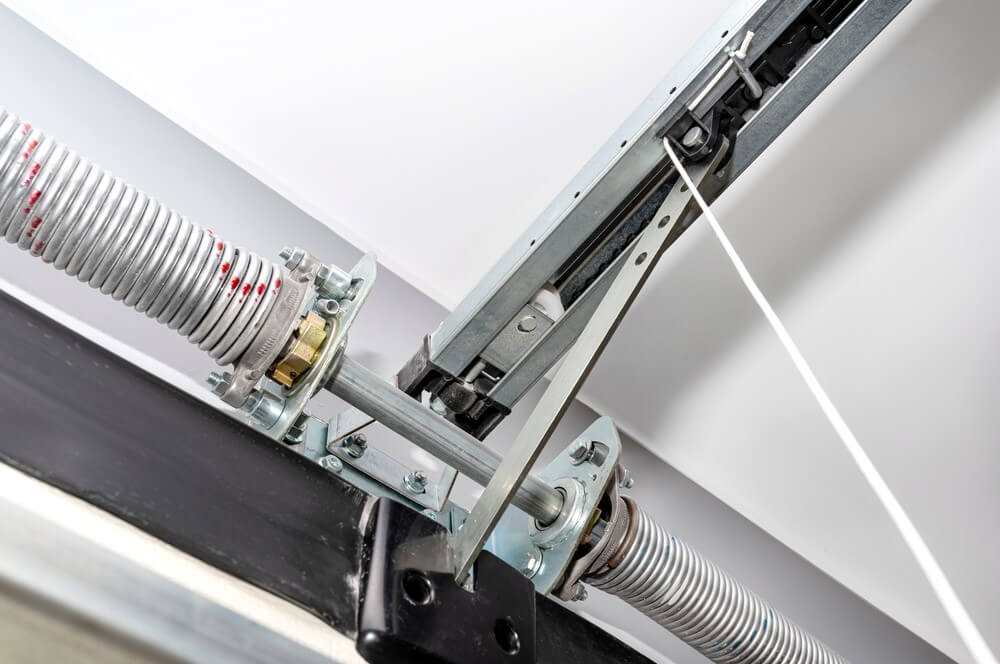
Garage door cables are strong, flexible wires that work alongside springs to lift and lower the door. These cables wind and unwind as the door moves, carrying much of the door’s weight and ensuring balanced movement. There are two main types: torsion cables (used with torsion spring systems) and extension cables (used with extension spring systems). Both types are essential for safe, efficient operation.
When a cable fails, the door may become stuck, crooked, or even dangerous to operate. That’s why it’s important to recognize the signs of cable wear and address problems quickly. If you’re interested in more detailed troubleshooting, check out this guide on garage door cable common problems for practical solutions.
Common Issues Addressed in Garage Door Cable FAQs
Many homeowners have similar questions about garage door cables. Below, we address some of the most frequent concerns, including symptoms of trouble, repair options, and when to call a professional.
What Are the Signs That a Garage Door Cable Is Failing?
Some of the most common symptoms of cable issues include:
- The door appears crooked or uneven when opening or closing.
- You hear loud snapping or grinding noises during operation.
- The door gets stuck partway or won’t open at all.
- Visible fraying, rust, or broken strands on the cable.
If you notice any of these signs, it’s best to stop using the door and inspect the cables closely. Continuing to operate a door with damaged cables can lead to further damage or even injury.
Can I Replace Garage Door Cables Myself?
While some experienced DIYers may feel comfortable replacing cables, it’s important to understand the risks. Garage door cables are under significant tension, especially in torsion spring systems. Improper handling can result in serious injury. If you decide to attempt a repair, always disconnect the opener, release spring tension carefully, and follow safety guidelines.
For most homeowners, hiring a professional is the safest option. If you’re determined to tackle the job yourself, consider using a pulley and cable kit designed for your door type. Always double-check compatibility before purchasing replacement parts.
How Often Should Garage Door Cables Be Inspected?
Experts recommend inspecting your garage door cables at least twice a year. Look for fraying, rust, kinks, or loose connections. Regular maintenance can help you catch issues early and avoid unexpected breakdowns. For more proactive strategies, review these garage door cable prevention tips to extend the life of your cables and reduce costly repairs.
How Garage Door Cables Work With Springs
Garage door cables and springs work together to balance the door’s weight. In a torsion system, the cables attach to the bottom corners of the door and wind around drums as the door moves. The torsion springs provide the lifting force, while the cables guide the door smoothly along its tracks.
Extension spring systems use cables that run through pulleys and attach to the springs. As the door opens, the springs stretch and the cables help control the motion. If either the spring or cable fails, the system can become unbalanced, making the door difficult or dangerous to operate.
For a more technical explanation, you can read about how garage door cables work and the physics behind these systems.
Maintenance Tips for Garage Door Cables
Keeping your garage door cables in top shape doesn’t have to be complicated. Here are some practical tips:
- Visual Inspection: Check for fraying, rust, or broken strands every few months.
- Lubrication: While cables themselves don’t need lubricant, keeping the pulleys and other moving parts greased helps reduce wear.
- Keep Tracks Clean: Remove debris and dust from the tracks to prevent cable misalignment.
- Test Door Balance: Disconnect the opener and manually lift the door. If it’s hard to lift or won’t stay open, cables or springs may need attention.
For comprehensive safety and care advice, refer to this garage door cable homeowner guide for step-by-step instructions.
Frequently Asked Questions About Garage Door Cables
Why Did My Garage Door Cable Snap?
Cables typically break due to age, corrosion, or excessive wear. Moisture and lack of maintenance can accelerate rust and weaken the strands. If your cable has snapped, avoid using the door until it’s repaired to prevent further damage or injury.
Is It Safe to Operate My Garage Door With a Broken Cable?
No, it’s not safe. Operating a garage door with a broken cable can cause the door to become unbalanced, jam, or even fall unexpectedly. Always repair or replace damaged cables before using the door again.
How Much Does It Cost to Replace Garage Door Cables?
The cost varies depending on your location and door type. On average, professional replacement ranges from $100 to $200, including labor and materials. DIY kits are available at a lower cost, but safety should always be your top priority.
Can I Use Any Cable for My Garage Door?
No, you should always use cables specifically designed for your garage door system. Using the wrong type or size can lead to improper operation and safety hazards. Check your door’s specifications or consult a professional before purchasing replacement parts.
When to Call a Professional for Cable Repairs
If you’re unsure about the condition of your cables or how to replace them, it’s best to contact a qualified technician. Professionals have the tools and experience to safely handle high-tension components and ensure your door is balanced and secure. Attempting repairs without proper knowledge can result in injury or further damage to your garage door system.
For those interested in technical details or advanced troubleshooting, the garage door cable professional guide offers in-depth tips and specifications for more complex repairs.
Summary: Keeping Your Garage Door Safe and Reliable
Garage door cables play a vital role in the safety and function of your garage door. Regular inspections, prompt repairs, and using the right replacement parts can help you avoid unexpected breakdowns and costly repairs. Whether you’re handling minor maintenance or calling in a professional, staying informed is the best way to protect your investment and ensure smooth, safe operation for years to come.