When it comes to the smooth and safe operation of your garage door, the strength and reliability of the cables are essential. Garage door cable heavy duty options are designed to handle the intense tension and weight of modern garage doors, ensuring both safety and longevity. Whether you’re upgrading your existing setup or replacing worn-out components, understanding the importance of robust cables can help you make informed decisions that protect your investment and your family.
Choosing the right cable isn’t just about durability—it’s also about efficiency, compatibility, and peace of mind. In this article, we’ll explore the features, benefits, and installation tips for high-tension garage door cables, along with expert advice on maintenance and troubleshooting. If you’re interested in learning more about common issues, check out our garage door cable common problems guide for practical solutions.
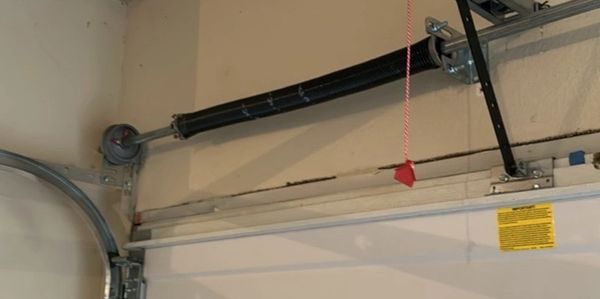
Understanding Heavy-Duty Garage Door Cables
Garage doors rely on cables to lift and lower the door safely. Heavy-duty garage door cables are specifically engineered to withstand greater tension and weight, making them ideal for larger or commercial doors. These cables are typically made from galvanized steel, which resists corrosion and delivers long-lasting performance even in demanding environments.
There are two main types of cables used in garage doors:
- Torsion spring cables: Designed for doors with torsion spring systems, these cables wind and unwind on drums as the door moves.
- Extension spring cables: Used with extension spring systems, these cables stretch and contract as the door opens and closes.
Choosing the right cable type and thickness is crucial for ensuring your door operates smoothly and safely. For a comprehensive overview of technical specifications and installation advice, refer to our garage door cable professional guide.
Key Benefits of Upgrading to High-Tension Solutions
Investing in a garage door cable heavy duty setup offers several advantages:
- Enhanced safety: Stronger cables reduce the risk of snapping or fraying, which can cause accidents or property damage.
- Greater durability: Heavy-duty cables are built to last, minimizing the need for frequent replacements.
- Improved performance: With the right cables, your door will open and close more smoothly and quietly.
- Corrosion resistance: Galvanized or stainless steel options resist rust, extending the life of your cables.
For those seeking to prevent breakdowns before they occur, our garage door cable prevention tips offer proactive strategies to keep your system running smoothly.

Choosing the Right Cable for Your Garage Door
Not all garage doors require the same type of cable. Factors to consider include:
- Door weight and size: Heavier and taller doors require thicker, stronger cables.
- Spring system: Match the cable to your door’s spring type (torsion or extension).
- Usage frequency: Doors that are used multiple times daily benefit from heavy-duty cables for added reliability.
- Environmental conditions: In humid or coastal areas, choose cables with extra corrosion resistance.
For a step-by-step checklist on replacing cables, see our garage door cable replacement checklist to ensure you have everything you need before starting the job.
Installation Tips for Heavy-Duty Garage Door Cables
Installing or replacing high-tension cables requires attention to detail and a focus on safety. Here are some essential tips:
- Disconnect power: Always unplug the garage door opener before starting any work.
- Release tension carefully: Use proper tools to release spring tension to avoid injury.
- Inspect all hardware: Check drums, pulleys, and brackets for wear or damage before installing new cables.
- Follow manufacturer instructions: Each cable kit may have specific installation steps—read them thoroughly.
- Test the door: After installation, operate the door manually to ensure smooth movement and proper alignment.
If you’re not comfortable working with high-tension components, consider hiring a professional. For more on efficient operation, our garage door cable efficiency article covers tips for smooth, effortless lifting.
Maintenance and Troubleshooting for Long-Lasting Performance
Regular maintenance is key to maximizing the lifespan of your heavy-duty garage door cables. Here’s how to keep them in top shape:
- Inspect regularly: Look for fraying, rust, or kinks in the cables at least twice a year.
- Lubricate moving parts: Use a garage door lubricant on pulleys and drums, but avoid getting oil directly on the cables.
- Check tension: Ensure cables remain taut and properly aligned on the drums or pulleys.
- Replace at the first sign of wear: Don’t wait for a cable to break—proactive replacement prevents accidents.
If you notice any issues such as uneven lifting, jerky movement, or visible cable damage, address them promptly. For more troubleshooting tips, refer to our guide to common garage door cable problems.
For a deeper dive into gable and cable system configurations, you may also find this comprehensive garage door gable guide helpful.
Frequently Asked Questions
What makes a garage door cable “heavy duty”?
Heavy-duty cables are constructed from thicker, high-tensile galvanized steel strands. They are designed to handle greater loads and higher tension, making them suitable for large, heavy, or commercial garage doors.
How often should I replace my high-tension garage door cables?
Replacement intervals depend on usage and environmental conditions, but it’s wise to inspect cables every six months and replace them at the first sign of fraying, rust, or visible wear. Proactive replacement helps prevent sudden failures.
Can I install heavy-duty cables myself, or should I hire a professional?
While experienced DIYers can replace cables with the right tools and safety precautions, working with high-tension systems can be dangerous. If you’re unsure or uncomfortable, it’s best to hire a qualified technician to ensure safe and proper installation.
Are heavy-duty cables compatible with all garage doors?
Most residential and commercial doors can be fitted with heavy-duty cables, but it’s important to match the cable type and thickness to your specific door and spring system. Consult your door’s manufacturer or a professional for guidance.
What are the signs that my garage door cables need attention?
Common warning signs include fraying, kinks, visible rust, uneven door movement, or the door not opening or closing smoothly. Address these issues promptly to avoid accidents or further damage.