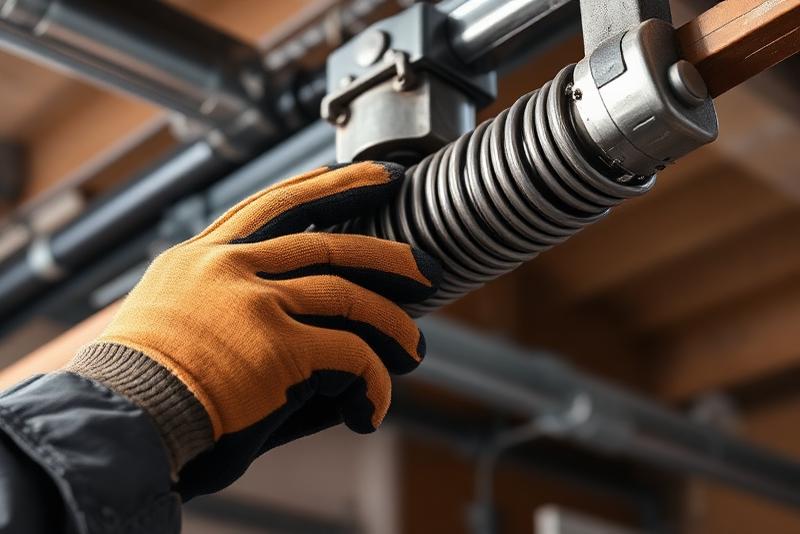
Properly installing or replacing garage door cables is a task that demands careful attention to garage door cable installation safety. These cables are under significant tension and play a critical role in the operation of your garage door. Mistakes during installation can cause injury or property damage, so understanding the correct procedures and safety measures is essential for any DIY enthusiast or homeowner considering this maintenance task.
This article covers the crucial steps, precautions, and best practices to help you handle cable installation with confidence. We’ll also highlight common risks, the tools you’ll need, and when it’s best to call a professional. For more on troubleshooting and avoiding frequent issues, see our guide on garage door cable common problems.
Understanding Cable Function and Hazards
Garage door cables are essential for lifting and lowering the door smoothly. They work in tandem with springs to balance the heavy weight of the door. If a cable snaps or is installed incorrectly, the door can become unbalanced or even crash down unexpectedly. This makes garage door cable installation safety a top priority for anyone attempting this repair.
According to detailed explanations of garage door cable roles, these components are responsible for transferring the force from the springs to the door itself. Any mistake during installation can compromise the entire system, resulting in potential injury or costly repairs.
Essential Safety Precautions Before Starting
Before you begin, take the following safety steps to minimize risk:
- Disconnect power to the garage door opener to prevent accidental activation.
- Release tension from the springs carefully, following manufacturer instructions. This is the most dangerous part of the process.
- Wear safety glasses and gloves to protect your eyes and hands from sharp edges or sudden movements.
- Keep children and pets away from the work area.
- Have a sturdy ladder and ensure your workspace is well-lit and free of clutter.
For ongoing maintenance tips to avoid future breakdowns, check out these garage door cable prevention tips.
Tools and Materials Checklist
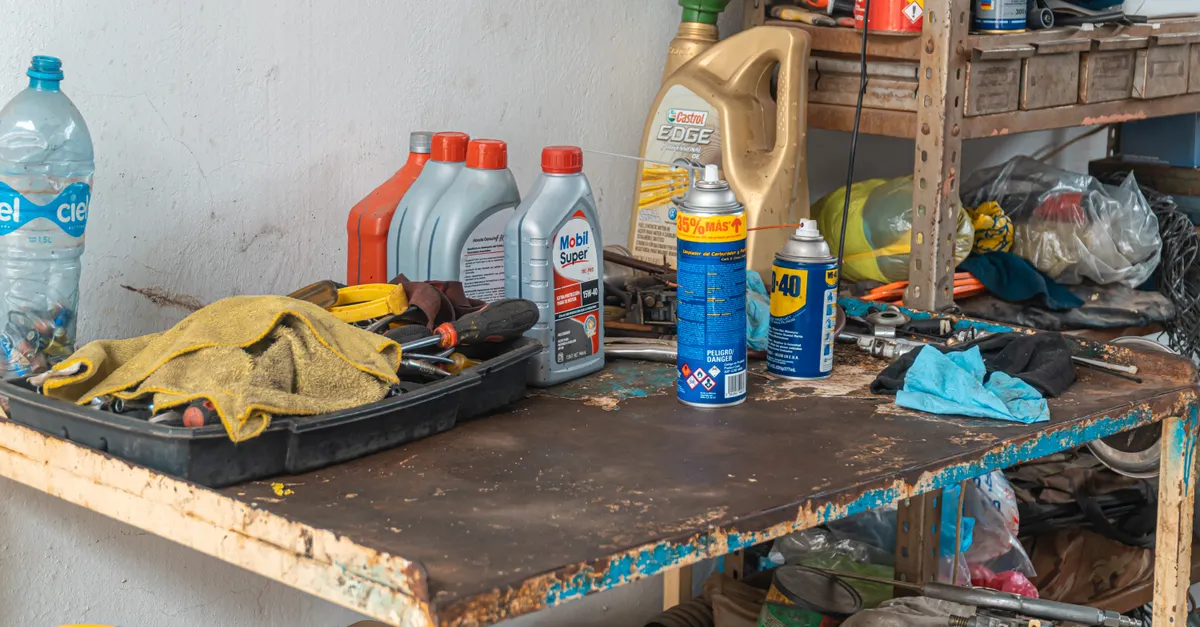
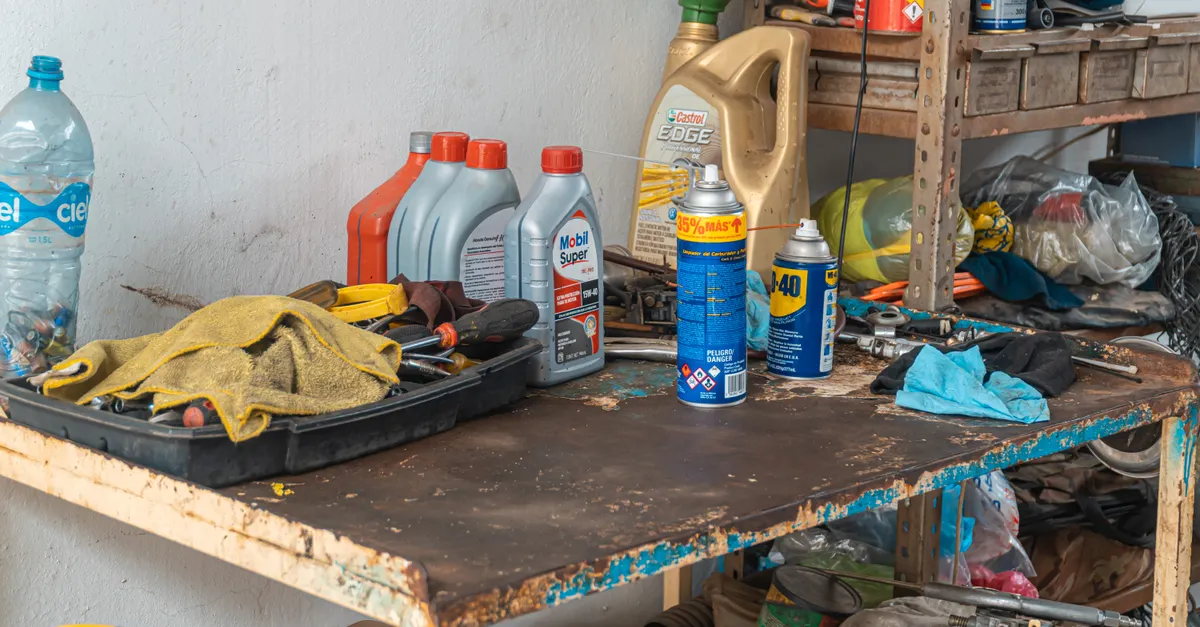
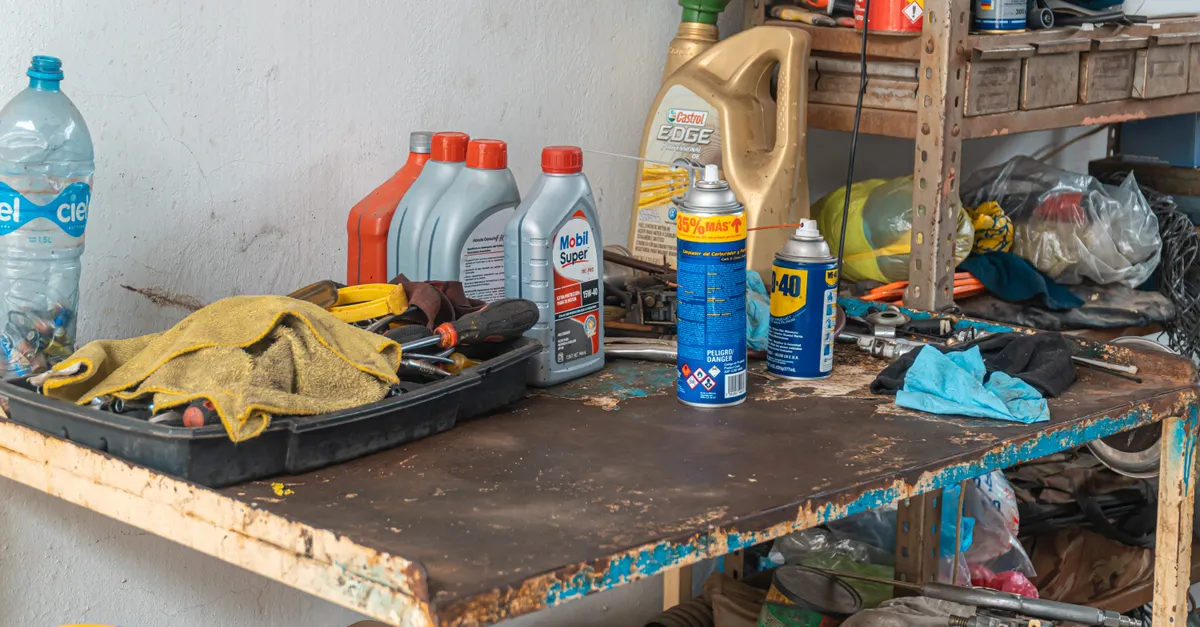
Gather all necessary tools and replacement parts before starting. Here’s what you’ll typically need:
- Replacement cables (ensure they match your door’s specifications)
- Winding bars (for torsion spring systems)
- Adjustable wrench and socket set
- Locking pliers or C-clamps
- Screwdrivers
- Stepladder
- Protective gear (gloves, safety glasses)
Using the correct tools helps maintain installation safety and prevents accidental damage to your garage door system.
Step-by-Step Cable Replacement Guide
Follow these steps to ensure a safe and effective cable installation:
-
Release Spring Tension
For torsion spring systems, insert winding bars into the winding cone and carefully unwind the spring. For extension springs, open the door fully and secure it with C-clamps to relieve tension. -
Remove Old Cables
Detach the old cables from the bottom bracket and drum or pulley. Inspect the brackets and drums for wear or damage. -
Install New Cables
Attach the new cable to the bottom bracket, then thread it up to the drum or pulley. Ensure the cable sits properly in the drum grooves and is not twisted. -
Tighten and Test
Carefully rewind the springs or remove the C-clamps. Slowly operate the door by hand to check for smooth movement and proper balance. -
Reconnect Power
Once you’re confident the door is functioning safely, reconnect the garage door opener and test the automatic operation.
For a more technical overview, see our garage door cable professional guide.
Common Mistakes and How to Avoid Them
Even with the right tools and instructions, several pitfalls can compromise garage door cable installation safety:
- Not fully releasing spring tension before cable removal, risking sudden movement.
- Using incorrect cable size, leading to premature wear or failure.
- Improper cable routing, causing cables to slip off drums or pulleys.
- Ignoring signs of worn hardware such as frayed cables, cracked drums, or loose brackets.
Always double-check your work and consult manufacturer instructions specific to your garage door model. If you’re unsure, it’s safer to contact a professional.
When to Call a Professional
While many homeowners can handle basic cable replacement, certain situations require expert help:
- The door is extremely heavy or uses multiple springs.
- You notice damaged or bent tracks, brackets, or drums.
- You’re unable to release spring tension safely.
- The door remains unbalanced after installation.
Professional technicians have the tools and experience to manage high-tension systems and complex repairs, ensuring your safety and the long-term reliability of your garage door.
Maintaining Safe Operation After Installation
Once your cables are installed, ongoing maintenance is key to preventing future issues. Here are a few tips:
- Inspect cables and hardware monthly for signs of wear or fraying.
- Lubricate moving parts as recommended by the manufacturer.
- Test the door’s balance by disconnecting the opener and lifting the door manually. It should stay open about halfway.
- Address any unusual noises or jerky movements promptly.
For a comprehensive list of what to check during routine maintenance, refer to our garage door cable replacement checklist.
Frequently Asked Questions
What are the main risks of DIY garage door cable replacement?
The biggest dangers are related to the high tension in garage door springs and cables. If tension is not released properly, components can snap or move suddenly, causing serious injury. Always follow safety steps and consider professional help if unsure.
How do I know if my garage door cables need replacing?
Look for visible fraying, rust, or broken strands. If the door moves unevenly, makes grinding noises, or fails to open/close smoothly, the cables may be worn or damaged. Regular inspection helps catch problems early.
Can I use universal cables for any garage door?
No, cables must match your door’s size, weight, and spring system. Using the wrong type can cause operational issues or safety hazards. Always check your door’s specifications and consult the manufacturer or a professional if in doubt.
Conclusion
Safe installation of garage door cables is essential for both the security of your home and your personal safety. By following the outlined steps, using proper tools, and observing all safety precautions, you can handle cable replacement with confidence. However, never hesitate to consult a professional if you encounter any uncertainty or complex issues. Regular maintenance and awareness of potential hazards will help keep your garage door operating smoothly for years to come.