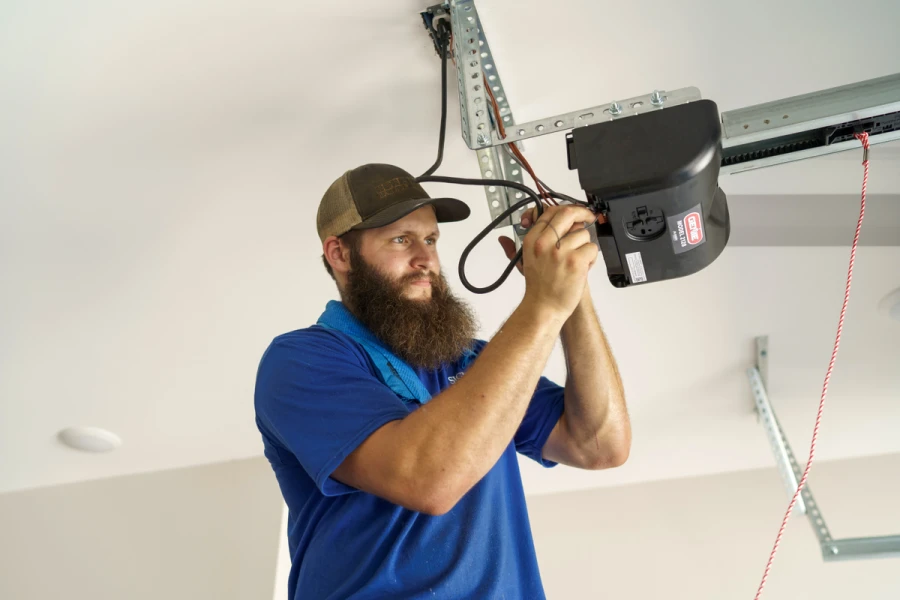
Maintaining a reliable and safe garage door system is essential for any homeowner. Over time, cables and related hardware can wear out, leading to operational issues or even safety hazards. A garage door cable replacement kit offers a practical solution, providing all the necessary components to restore your door’s smooth and secure operation. Whether you’re a DIY enthusiast or simply want to understand what’s involved, this article covers what’s included in these kits, how to choose the right one, and tips for safe installation.
Before diving into the details, it’s helpful to understand the basics of garage door cable systems. For a comprehensive introduction, check out the garage door cable beginner guide, which outlines the key functions and types of cables found in most residential setups.
What’s Included in a Garage Door Cable Hardware Pack?
A typical garage door cable replacement kit is designed to provide all the critical components needed for a full cable swap. The exact contents may vary by manufacturer and door type, but most kits include:
- Lift cables – Heavy-duty, galvanized steel cables for torsion or extension spring systems.
- Pulleys – Smooth-running pulleys to guide cables and reduce friction.
- Fasteners – Bolts, nuts, and cable clips for secure attachment.
- Safety cables – For extension spring doors, these prevent springs from flying loose if they break.
- Instructions – Step-by-step guidance for safe and correct installation.
Some comprehensive kits also include additional hardware like cable drums, S-hooks, or replacement brackets. Always verify the kit matches your garage door’s specifications before purchasing.
Why Replace Garage Door Cables and Hardware?
Cables are under constant tension and support the full weight of your garage door. Over time, they can fray, rust, or snap, which may lead to sudden door failure or create a safety risk. Replacing worn cables and related hardware ensures:
- Smoother operation – New cables and pulleys reduce friction and noise.
- Improved safety – Prevents accidents caused by snapped or tangled cables.
- Longer lifespan – Fresh hardware reduces strain on other components.
For more information on the importance of cable maintenance, see this detailed overview of cable safety and functionality.

Choosing the Right Cable Replacement Kit for Your Garage Door
Selecting the correct kit is crucial for both safety and performance. Here are key factors to consider:
- Door type – Identify whether your door uses torsion or extension springs. Kits are often specific to one system.
- Door height and weight – Heavier or taller doors require stronger cables and pulleys.
- Cable length and thickness – Measure your existing cables or consult your door’s manual for specifications.
- Material quality – Opt for galvanized or stainless-steel cables for corrosion resistance.
- Compatibility – Ensure the kit matches your brand and model, especially for sectional or custom doors.
If you’re unsure about your door’s requirements, consult a professional or refer to a garage door cable professional guide for technical advice.
Step-by-Step: How to Replace Garage Door Cables Safely
While many homeowners tackle cable replacement themselves, the process involves working with high-tension components. If you’re not comfortable, always hire a qualified technician. For those proceeding with DIY, here’s a general outline:
- Disconnect power – Unplug the garage door opener and secure the door in the open position.
- Release spring tension – Carefully unwind torsion springs or detach extension springs using proper tools.
- Remove old cables – Detach cables from drums or pulleys and remove any damaged hardware.
- Install new cables – Thread new cables through the pulleys or drums, following the kit’s instructions.
- Re-tension springs – Carefully restore spring tension, ensuring cables are taut and properly seated.
- Test operation – Reconnect power and test the door’s movement for smooth, balanced operation.
Always wear safety glasses and gloves, and never attempt to adjust springs without the correct tools and knowledge. For more troubleshooting tips, see the guide on garage door cable common problems.
Maintenance Tips for Long-Lasting Garage Door Cables
Once you’ve installed a new hardware pack, regular maintenance will help maximize the lifespan of your cables and pulleys:
- Inspect regularly – Look for fraying, rust, or kinks every few months.
- Lubricate moving parts – Use a silicone-based spray on pulleys and hinges, but avoid getting lubricant on the cables themselves.
- Check cable tension – Ensure cables remain taut and evenly wound on drums or pulleys.
- Address issues promptly – If you notice uneven lifting or jerky movement, investigate immediately to prevent further damage.
For more proactive advice, review these garage door cable prevention tips to help avoid costly breakdowns in the future.
Frequently Asked Questions
How do I know if my garage door cables need replacing?
Common signs include visible fraying, rust, or broken strands. If your door lifts unevenly, makes unusual noises, or stops working altogether, inspect the cables for damage. Regular checks can help catch problems early and prevent sudden failures.
Can I install a cable replacement kit myself?
Many homeowners with basic mechanical skills can install a cable kit, especially on extension spring systems. However, torsion spring setups involve high tension and can be dangerous. If you’re unsure, it’s safest to hire a professional technician.
How often should garage door cables be replaced?
There’s no set interval, as cable lifespan depends on usage, climate, and maintenance. On average, cables last 7–10 years, but frequent use or exposure to moisture can shorten this. Inspect cables at least twice a year and replace them at the first sign of wear.
Conclusion
Investing in a quality garage door cable replacement kit is a smart way to restore your door’s reliability and safety. By choosing the right hardware pack, following safe installation practices, and maintaining your system, you can ensure smooth operation for years to come. For more advanced tips on optimizing your setup, explore this guide on garage door cable efficiency and discover how to keep your door running effortlessly.