A garage door that stops or gets stuck halfway is a common frustration for homeowners. One of the leading causes of this issue is worn or damaged rollers. When rollers deteriorate, they can create friction or even derail the door, making it difficult or impossible for the door to open or close fully. Addressing roller wear promptly is essential for both safety and the longevity of your garage door system.
In this guide, you’ll learn how to identify roller problems, understand why they cause your garage door to halt midway, and follow step-by-step instructions to replace them. We’ll also cover tips for ongoing maintenance and highlight when it’s time to call a professional. If you’re also facing issues with your garage door sensors, you might find our article on how to fix garage door sensor mounting on metal studs helpful.
Understanding Why Garage Doors Get Stuck Midway
When a garage door only opens or closes halfway, the problem often traces back to the rollers. These small wheels guide the door along its tracks, ensuring smooth movement. Over time, rollers can become worn, chipped, or misaligned, causing increased resistance. This resistance can trigger the opener’s safety mechanism, stopping the door to prevent further damage or injury.
Other factors can also contribute, such as track misalignment, lack of lubrication, or issues with the opener itself. However, if you notice grinding noises, jerky movement, or visible damage to the rollers, roller wear is likely the culprit.
Signs of Roller Wear and When to Replace
Recognizing the early signs of roller deterioration can help you avoid bigger repairs down the line. Here are some common indicators that your garage door rollers need attention:
- Loud squeaking or grinding noises during operation
- Door moves unevenly or gets stuck partway
- Visible cracks, chips, or flat spots on the rollers
- Rollers frequently pop out of the track
- Excessive vibration as the door moves
If you notice any of these symptoms, it’s time to inspect the rollers and consider a replacement.
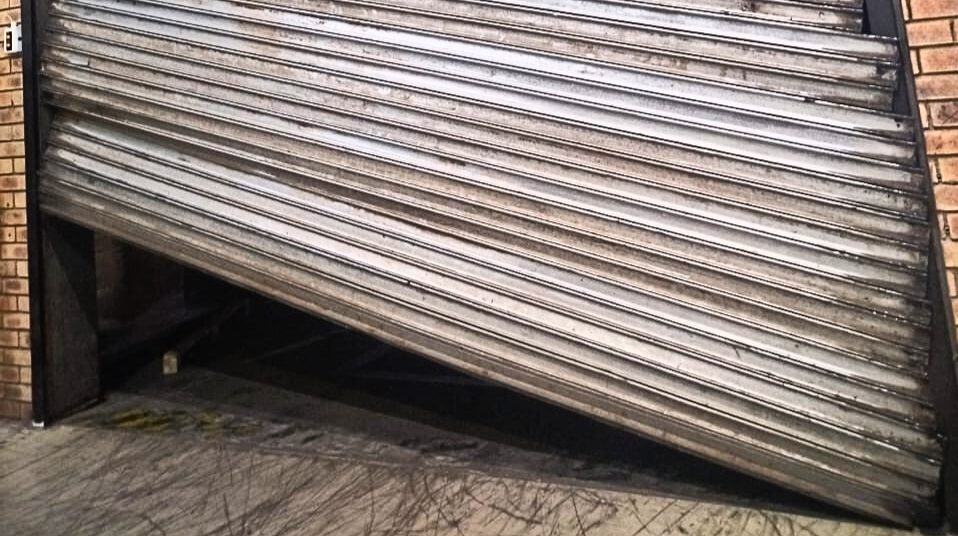
How Roller Wear Causes Your Garage Door to Stop Halfway
When rollers are worn or damaged, they can no longer glide smoothly along the tracks. This increases friction and may cause the door to bind or jam. Most modern garage door openers are equipped with safety sensors that detect resistance. If the opener senses that the door is not moving freely, it will stop or reverse to prevent further strain on the system.
In some cases, the door may become completely stuck, leaving it halfway open or closed. This not only affects your convenience but also poses a security risk and exposes your garage to the elements.
For more troubleshooting tips on garage door sensors and related issues, you might want to read about why is my garage door sensor indicator light missing.
Step-by-Step Guide to Replacing Worn Garage Door Rollers
Replacing garage door rollers is a manageable DIY task for most homeowners, but it does require attention to safety. If you’re not comfortable working with garage door components, consider hiring a professional. Here’s how to replace worn rollers:
-
Gather Your Tools and Materials
- Replacement rollers (nylon or steel, matching your door’s specifications)
- Wrench set or socket set
- Flathead screwdriver
- Locking pliers
- Garage door lubricant spray
- Safety glasses and gloves
-
Disconnect the Opener and Secure the Door
Unplug the garage door opener and pull the emergency release cord to disengage the door. Prop the door open with locking pliers clamped to the track just below the bottom roller to prevent it from falling.
-
Remove the Old Rollers
Carefully bend the track slightly open near the roller you want to replace (usually at the seam or curve of the track). Slide the old roller out and remove it from the hinge.
-
Install the New Roller
Insert the new roller into the hinge and guide it back into the track. Use the screwdriver to gently bend the track back into place if needed.
-
Repeat for Each Roller
Work your way up the door, replacing each roller one at a time. Avoid removing more than one roller at once to keep the door stable.
-
Lubricate and Test
Once all rollers are replaced, apply a garage door lubricant spray to each roller and hinge. Reconnect the opener and test the door’s movement. It should now operate smoothly and quietly.
For a more detailed troubleshooting process, check out this comprehensive guide to fixing a garage door that stops halfway.
Maintenance Tips to Prevent Roller Problems
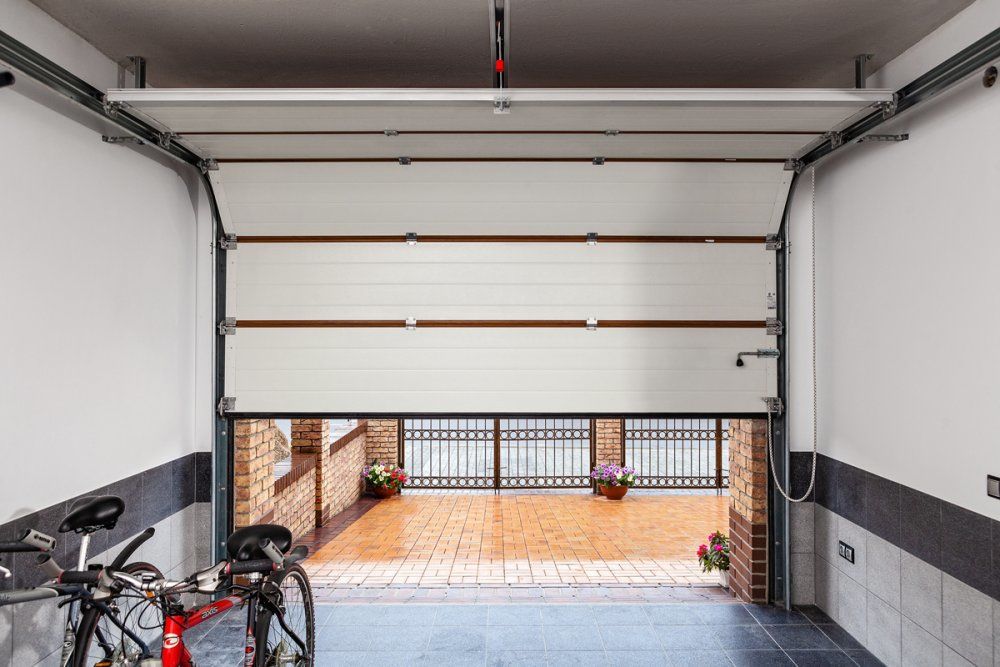
Routine maintenance can significantly extend the life of your garage door rollers and prevent the door from stopping halfway. Here are some practical tips:
- Inspect rollers every six months for signs of wear or damage.
- Lubricate rollers and hinges with a silicone-based spray to reduce friction.
- Check tracks for debris, dents, or misalignment and clean as needed.
- Tighten loose bolts and hardware to keep the system secure.
- Replace rollers every 5–7 years, or sooner if you notice issues.
If you encounter recurring sensor issues or bracket problems, our resource on how to fix garage door sensor bracket bending provides additional guidance.
When to Call a Professional
While replacing rollers is a straightforward process for many, some situations call for professional help. If your garage door uses torsion springs, if you’re unsure about the process, or if the door is extremely heavy or off-balance, it’s safer to contact a qualified technician. Professionals have the tools and expertise to handle complex repairs and ensure your door operates safely.
Persistent issues with sensors, opener malfunctions, or structural damage to the door or tracks should also be evaluated by an expert.
Frequently Asked Questions
How often should garage door rollers be replaced?
Most rollers last between 5 and 7 years, depending on usage and material. Inspect them regularly and replace at the first sign of significant wear or damage.
Can I use any type of lubricant on garage door rollers?
It’s best to use a silicone-based or garage door-specific lubricant spray. Avoid using grease or oil, which can attract dust and cause buildup.
Is it safe to replace garage door rollers myself?
Replacing standard rollers is generally safe for DIYers with basic tools and safety precautions. However, if your door uses torsion springs or you feel uncertain, hire a professional to avoid injury.
What if my garage door still stops halfway after replacing the rollers?
If the problem persists, inspect the tracks for alignment issues, check the opener’s force settings, and ensure sensors are clean and properly aligned. For sensor-related troubleshooting, see our article on why is my garage door sensor light turning off and on.
Are nylon or steel rollers better?
Nylon rollers are quieter and require less maintenance, while steel rollers are more durable but can be noisier. Choose based on your priorities for noise and longevity.
By understanding the causes of a garage door getting stuck halfway and knowing how to replace worn rollers, you can restore smooth operation and extend the life of your garage door system. Regular maintenance and timely repairs will help you avoid unexpected breakdowns and costly service calls.