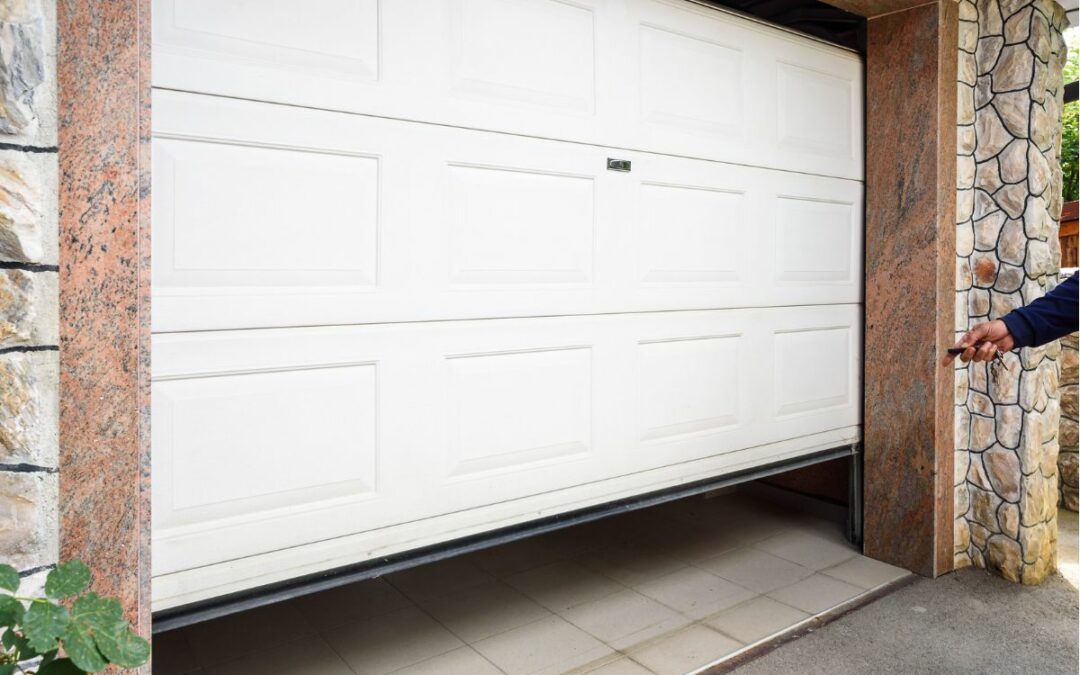
A garage door that stops and gets stuck halfway can be frustrating and inconvenient. This common issue affects many homeowners, and understanding the root causes is the first step toward a reliable fix. In this guide, you’ll find a straightforward explanation of why garage doors often stop mid-cycle, how to diagnose the problem, and practical steps you can take to resolve it.
Whether your garage door is manual or automatic, several factors can lead to it halting partway. From worn-out parts and misaligned sensors to track obstructions and opener malfunctions, the reasons vary but are usually easy to identify with a systematic approach. If you’re interested in related troubleshooting, you might also want to learn about how to fix garage door sensor mounting on metal studs for more sensor-specific solutions.
Common Reasons a Garage Door Stops Midway
When a garage door fails to open or close fully, the underlying causes generally fall into a few categories. Here are the most frequent culprits:
- Obstructed Tracks: Dirt, debris, or physical damage can block the rollers and prevent smooth movement.
- Sensor Issues: Misaligned or dirty safety sensors can signal the opener to stop for safety reasons.
- Broken Springs or Cables: Worn or snapped springs and cables reduce the lifting force, causing the door to stall.
- Opener Limit Settings: Incorrectly set travel limits on the opener can make the door stop before it reaches the end.
- Insufficient Lubrication: Dry or sticky rollers and hinges can create resistance, halting the door’s movement.
Each of these issues can be addressed with a targeted approach, which we’ll cover in the following sections.
Diagnosing the Halfway Stopping Issue
To resolve a garage door that won’t open or close all the way, start by observing its movement and listening for unusual sounds. Here’s a step-by-step method to pinpoint the problem:
- Check for Obstructions: Inspect the tracks for any visible debris or dents. Even small objects can block the rollers.
- Test the Sensors: Most modern doors have safety sensors near the floor. Make sure they’re clean, aligned, and their indicator lights are steady.
- Examine the Springs and Cables: Look for gaps in the springs or frayed cables. If you notice damage, do not attempt to fix these yourself—springs are under high tension.
- Review the Opener Settings: Refer to your opener’s manual to locate the travel limit screws or dials. Adjust them slightly and test the door’s movement.
- Lubricate Moving Parts: Apply a recommended garage door lubricant to the rollers, hinges, and tracks to reduce friction.

How to Fix a Garage Door That Stops Partway
Once you’ve identified the likely cause, you can take steps to fix the issue. Here are practical solutions for each scenario:
Clearing Track Obstructions
Remove any debris or buildup from the tracks using a damp cloth. If you find dents or bends, gently straighten them with pliers. Avoid using excessive force, as this can worsen the damage.
Aligning and Cleaning Sensors
Wipe the sensor lenses with a soft cloth. Make sure both sensors face each other directly. If the indicator lights are blinking, adjust their position until the lights stay solid. For more on sensor troubleshooting, see our article on why is my garage door sensor light blinking twice.
Lubricating Moving Parts
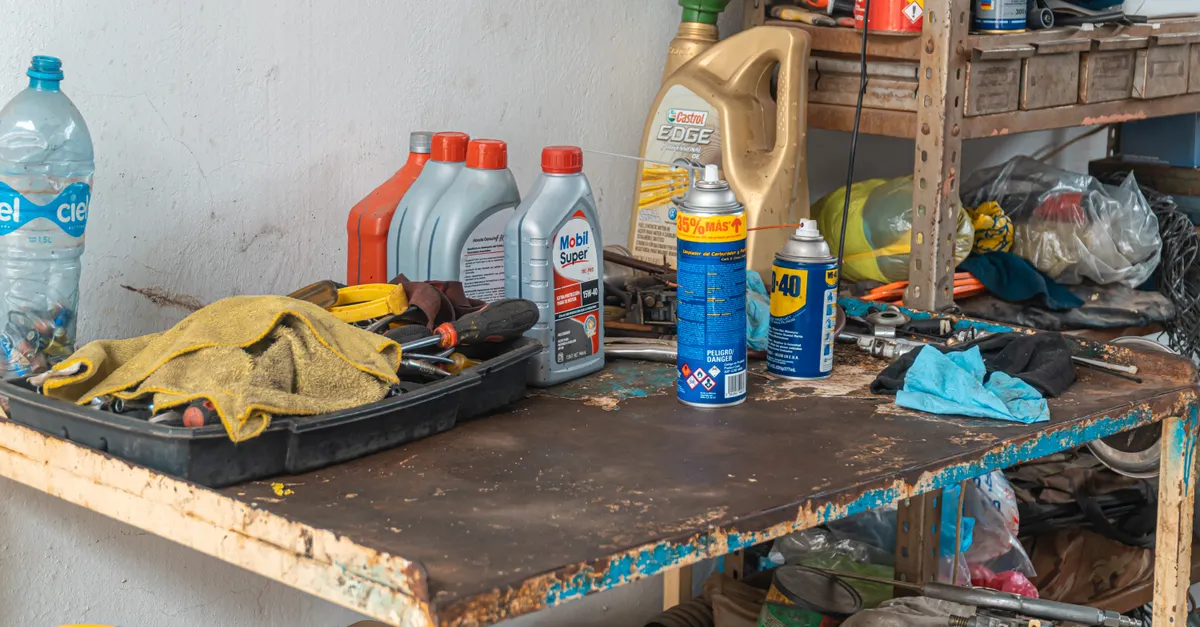
Use a silicone-based or lithium garage door lubricant on all moving parts. Avoid using grease, as it can attract dirt and gum up the mechanism. Regular lubrication reduces friction and helps the door move smoothly.
Adjusting Opener Limits
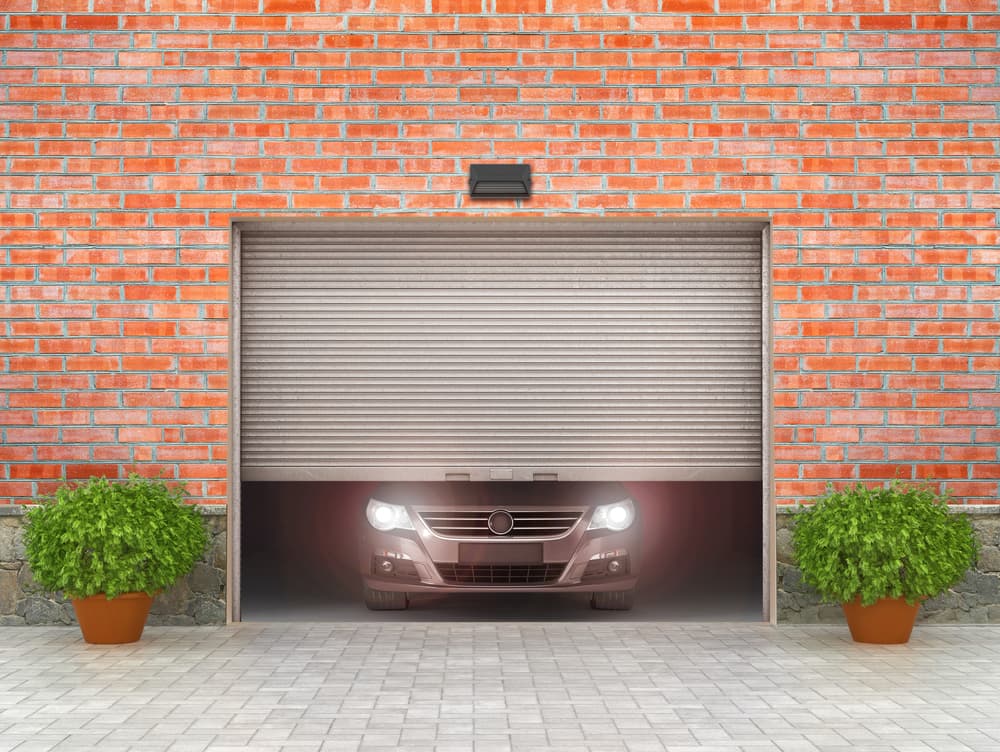
If your opener’s travel limits are set incorrectly, the door may stop before reaching the floor or ceiling. Locate the adjustment screws or dials on your opener (usually labeled “up” and “down” or “open” and “close”). Turn them slightly and test the door after each adjustment until it operates smoothly.
When to Call a Professional
Some repairs, such as replacing springs or cables, are dangerous due to the high tension involved. If you notice broken hardware or if your troubleshooting efforts don’t resolve the issue, it’s best to contact a qualified technician. Attempting complex repairs without proper tools and experience can lead to injury or further damage.
Preventing Future Garage Door Stoppages
Regular maintenance is the key to avoiding recurring problems. Here are some tips to keep your garage door running smoothly:
- Inspect and clean the tracks monthly.
- Test the sensors and realign if necessary.
- Lubricate all moving parts every three to six months.
- Check for loose hardware and tighten as needed.
- Schedule annual professional inspections for spring and cable integrity.
For more detailed troubleshooting, you can also consult resources like this in-depth guide on why garage doors stop halfway.
Related Troubleshooting Topics
If your issue is related to sensors or electrical components, you may find these resources helpful:
- How to Fix Garage Door Sensor Wiring Using Electrical Tape
- Why Is My Garage Door Sensor Transmitter Dead? Quick Guide
- How to Fix Garage Door Sensor Hum or Buzzing Noise Issues
Frequently Asked Questions
Why does my garage door only open or close halfway?
The most common reasons include blocked tracks, misaligned sensors, broken springs, or incorrect opener settings. Start by checking for obstructions and testing the sensors. If the problem persists, inspect the opener’s travel limits and lubricate moving parts.
Can I fix a garage door that stops halfway myself?
Many issues, such as cleaning tracks, aligning sensors, and adjusting opener settings, can be handled by homeowners with basic tools. However, repairs involving springs or cables should be left to professionals due to safety risks.
How often should I maintain my garage door to prevent it from getting stuck?
Regular maintenance every three to six months is recommended. This includes cleaning tracks, lubricating moving parts, checking sensors, and tightening hardware. Annual professional inspections are also advised for spring and cable health.