A garage door keypad cracked or broken can quickly become a frustrating problem, especially when you rely on it for daily access and security. Whether the damage is cosmetic or has rendered the keypad completely nonfunctional, knowing what steps to take can help you restore convenience and safety to your home. This article covers the most common causes of keypad damage, how to assess the situation, repair and replacement options, and tips for preventing future issues.
If you’re already troubleshooting other garage door issues, you might also find it helpful to read about how to fix garage door sensor mounting on metal studs for related guidance.
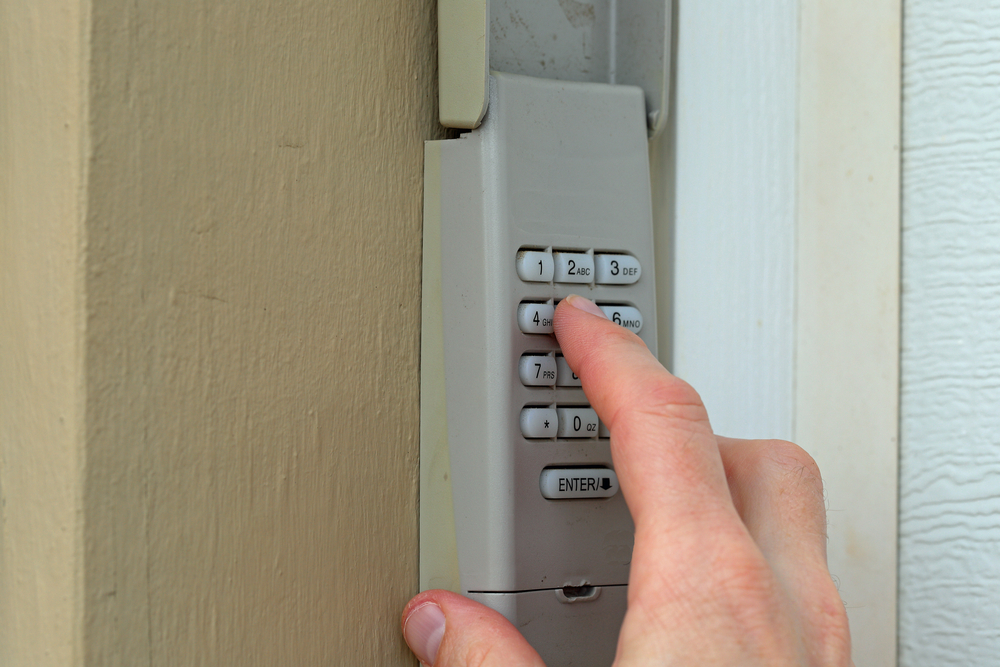
Common Reasons for Damaged Garage Door Keypads
Outdoor keypads are exposed to a range of environmental and physical factors. Here are some frequent causes of damage:
- Weather Exposure: Sun, rain, and freezing temperatures can cause plastic housings to crack or become brittle over time.
- Physical Impact: Accidental bumps from vehicles, bikes, or even forceful button presses can break the casing or buttons.
- Wear and Tear: Frequent use may lead to worn-out buttons, faded numbers, or loose covers.
- Vandalism: Unfortunately, intentional damage can occur, especially if the keypad is easily accessible from the street.
- Aging Electronics: Internal components may fail due to moisture ingress or simple age, causing malfunctions even if the exterior looks intact.
Assessing the Extent of the Problem
Before deciding on a solution, take a closer look at your keypad’s condition. Here’s how to evaluate the situation:
- Check for Surface Damage: Is the crack only on the outer shell, or are the buttons and internal parts exposed?
- Test Functionality: Try entering your code. Does the keypad still operate the door? Are any buttons unresponsive?
- Inspect for Moisture: If the crack has allowed water inside, corrosion or short circuits may be present.
- Look for Loose or Missing Parts: Sometimes, broken covers or buttons can be replaced individually.
If the keypad is still working but the damage is only cosmetic, you may be able to continue using it temporarily. However, exposed electronics or persistent malfunctions usually mean it’s time for a repair or replacement.
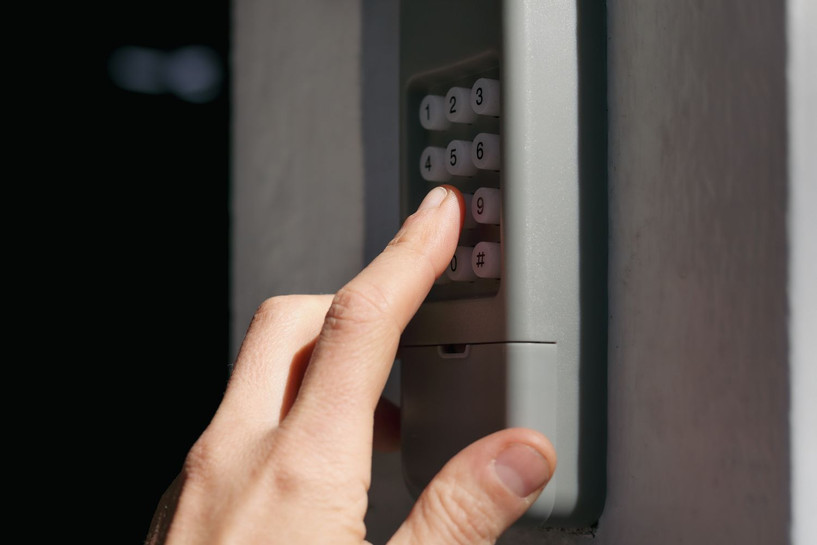
Repairing a Cracked or Broken Garage Door Keypad
If the damage is minor and the keypad is still operational, you may be able to perform a simple repair. Here are a few practical options:
- Seal Small Cracks: Use weatherproof adhesive or silicone caulk to seal hairline cracks and prevent moisture from entering.
- Replace Individual Buttons: Some manufacturers offer replacement buttons or covers. Check your model’s availability.
- Secure Loose Parts: Tighten screws or snap covers back into place if they’ve come loose.
- Clean Contacts: If some buttons are unresponsive, carefully open the keypad and clean the contacts with isopropyl alcohol.
For more involved repairs, such as rewiring or replacing internal components, it’s usually more cost-effective and reliable to replace the entire unit.
When to Replace Your Keypad
Sometimes, a garage door keypad cracked or broken beyond simple repair needs to be replaced. Consider a new unit if:
- The crack exposes the circuit board or internal wiring.
- Buttons are missing or permanently stuck.
- The keypad fails to operate the door, even after changing batteries.
- There are signs of water damage or corrosion inside the housing.
- The model is outdated and replacement parts are unavailable.
Replacing your keypad is usually a straightforward DIY project. Most modern wireless keypads are compatible with a range of openers, but always check compatibility with your garage door system. For more information on choosing the right replacement, see this comprehensive guide to buying a garage door opener keypad.

How to Replace a Garage Door Keypad
Swapping out a damaged keypad is generally quick and requires minimal tools. Here’s a step-by-step overview:
- Purchase a Compatible Keypad: Check your opener’s brand and model to ensure compatibility.
- Remove the Old Keypad: Unscrew or unclip the existing unit from its mounting surface.
- Install the New Keypad: Follow the manufacturer’s instructions for mounting and securing the new device.
- Program the Keypad: Most keypads require syncing with your opener. Refer to the included manual for programming steps.
- Test Operation: Enter your code and verify that the door responds as expected.
If you encounter issues during installation, consult the manufacturer’s support resources or consider hiring a professional for assistance.
Preventing Future Keypad Damage
Taking a few preventative measures can help extend the life of your new keypad:
- Install in a Sheltered Location: Mount the keypad where it’s protected from direct rain and sun exposure.
- Use a Protective Cover: Some models offer weather-resistant covers for added protection.
- Regular Maintenance: Clean the keypad periodically and check for signs of wear or damage.
- Educate Family Members: Remind everyone to use gentle pressure when entering codes.
- Address Issues Promptly: Fix small cracks or loose parts before they worsen.
For more troubleshooting tips on related garage door components, you may want to explore topics like why is my garage door sensor transmitter dead or how to fix garage door sensor wiring using electrical tape.
Frequently Asked Questions
Can I repair a cracked garage door keypad myself?
Minor cracks or loose covers can often be fixed with weatherproof adhesive or by tightening screws. However, if the internal electronics are exposed or the keypad is malfunctioning, replacement is usually the safer and more reliable option.
How do I know if my keypad needs to be replaced?
If your keypad no longer operates the door, has missing or stuck buttons, or shows signs of water damage, it’s time to consider a new unit. Visible cracks that expose internal parts are also a clear sign that replacement is necessary.
Are all garage door keypads interchangeable?
Not all keypads are universal. Always check compatibility with your garage door opener’s brand and model before purchasing a replacement. Many modern keypads are designed to work with multiple brands, but it’s best to confirm with the manufacturer or product listing.
What should I do if my keypad works intermittently?
Intermittent operation could be due to weak batteries, dirty contacts, or internal damage. Try replacing the batteries and cleaning the keypad. If problems persist, inspect for cracks or moisture damage and consider replacing the unit.
How can I protect my new keypad from future damage?
Install the keypad in a sheltered spot, use a weather-resistant cover if available, and perform regular maintenance. Address any signs of wear early to prevent more serious issues.