Garage door keypads have become a standard feature for homeowners seeking convenience and security. However, as with any technology that controls access to your property, there are legitimate garage door keypad hacking concerns that every homeowner should understand. This article offers a clear look at the risks, how keypad systems can be vulnerable, and what practical steps you can take to protect your home.
Understanding the security landscape of garage door access systems is crucial, especially as criminals become more sophisticated. While keypad entry systems are designed to keep your garage and home safe, no system is completely immune to tampering or hacking attempts. By learning about these issues, you can make informed decisions about your security setup and reduce the likelihood of unauthorized access.
If you’re also troubleshooting other garage door issues, you might find it helpful to review why is my garage door sensor indicator light missing for additional insights on maintaining your system’s reliability.
Understanding the Risks of Wireless Keypad Systems
Wireless keypads offer a convenient way to open and close your garage door without a physical key or remote. However, this convenience can introduce certain security vulnerabilities. Older keypad models, in particular, may use fixed codes or outdated wireless protocols, making them susceptible to code grabbing or brute-force attacks.
Some of the most common threats include:
- Code Guessing: If your keypad uses a short or simple PIN, it may be vulnerable to someone guessing the code, especially if the keypad shows wear on certain buttons.
- Replay Attacks: Hackers with the right equipment can intercept and replay the wireless signal sent from the keypad to the opener, potentially gaining access.
- Brute-Force Attacks: Automated tools can rapidly try different combinations until the correct code is found, particularly on systems without lockout features.
How Hackers Target Garage Door Keypads
Modern criminals use a variety of techniques to exploit garage door keypad hacking concerns. The most common methods include:
- Radio Frequency (RF) Interception: Using inexpensive RF scanners, attackers can capture the signals transmitted between the keypad and the opener. If the system uses a fixed code, the captured signal can be replayed to open the door.
- Brute-Force Devices: Some hackers use devices that automatically cycle through possible PIN combinations. If your keypad doesn’t lock out after several failed attempts, this method can be alarmingly effective.
- Physical Tampering: In some cases, attackers may attempt to physically access the keypad wiring or opener unit, bypassing the code entirely.
For a comprehensive overview of how these systems work and their potential weaknesses, you can refer to this essential guide to garage door opener keypads.

Modern Security Features That Reduce Hacking Risks
Fortunately, manufacturers have responded to garage door keypad hacking concerns by introducing advanced security features. Here are some of the most effective:
- Rolling Code Technology: Instead of sending the same code every time, rolling code systems generate a new code with each use. This makes intercepted codes useless for future attempts.
- Keypad Lockout: Many modern keypads temporarily disable input after several incorrect attempts, thwarting brute-force attacks.
- Encrypted Communication: Some high-end systems use encrypted wireless signals, making it extremely difficult for hackers to interpret or replay captured data.
- Manual Lock Functions: Certain openers allow you to manually disable remote and keypad access when you’re away for extended periods.
If your system lacks these features, consider upgrading to a newer model for better protection.
Practical Steps to Secure Your Garage Entry System
Homeowners can take several actions to minimize the risk of unauthorized access through their keypad system:
- Change Your PIN Regularly: Avoid using obvious codes like birthdays or repeated numbers. Update your code every few months.
- Upgrade Outdated Keypads: If your keypad is more than a decade old, it may lack essential security features. Replacing it with a modern, rolling code model is a wise investment.
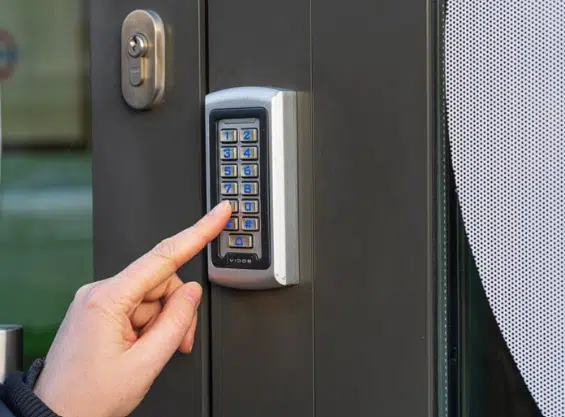
- Inspect for Wear: If certain buttons are worn, change your code to use different digits. Worn buttons can give away your PIN.
- Enable Lockout Features: If your system supports it, activate lockout after failed attempts to block brute-force attacks.
- Secure the Opener Unit: Ensure the opener inside your garage is not easily accessible or visible through windows.
- Monitor for Suspicious Activity: Some smart openers send alerts to your phone if the door is opened unexpectedly.
For more on troubleshooting and securing your garage door sensors, see how to fix garage door sensor mounting on metal studs.
Additional Tips for Garage Security
While keypad security is important, your overall garage security also depends on other factors. Here are a few extra tips:
- Keep the Garage Door Closed: Don’t leave your garage door open for extended periods, even if you’re home.
- Cover Windows: Use frosted glass or window coverings to prevent outsiders from seeing inside your garage.
- Install Motion Lighting: Bright lights deter intruders and make suspicious activity more visible at night.
- Secure the Door to Your Home: Treat the door between your garage and house as an exterior door, with a deadbolt and solid core construction.
If you notice issues like your garage door sensor light turning off and on, it’s worth investigating further. Learn more at why is my garage door sensor light turning off and on.
Frequently Asked Questions
Can All Garage Door Keypads Be Hacked?
No system is completely immune, but modern keypads with rolling code technology and lockout features are much harder to compromise than older models. Regularly updating your code and upgrading outdated equipment can significantly reduce your risk.
What Should I Do If I Suspect My Keypad Has Been Compromised?
Immediately change your PIN and inspect your keypad and opener for signs of tampering. If you notice anything unusual, consider contacting a professional garage door technician to assess your system and recommend upgrades if needed.
Are Smart Garage Door Openers Safer Than Traditional Keypads?
Smart openers often include advanced encryption and real-time alerts, which can enhance security. However, they also introduce new risks, such as vulnerabilities in your home Wi-Fi network. Always use strong passwords and keep your devices updated.
How Often Should I Change My Garage Door Keypad Code?
It’s a good practice to update your code every three to six months, or immediately if you suspect someone else may know it.
Conclusion
Staying informed about garage door keypad hacking concerns helps you make smarter decisions about your home’s security. By understanding the risks, upgrading to modern systems, and following best practices, you can greatly reduce the chances of unauthorized access to your garage. Regular maintenance and vigilance are key to keeping your property safe.