A malfunctioning garage door keypad can be a source of daily frustration, especially when it fails to respond or only works intermittently. While battery issues and weather exposure are common culprits, many homeowners overlook the possibility of garage door keypad internal component failure. Understanding what goes on inside the keypad and how its components can break down is essential for effective troubleshooting and long-term reliability.
This article provides a clear breakdown of the typical causes, symptoms, and solutions for internal failures in garage door keypads. Whether you’re dealing with unresponsive buttons, erratic code entry, or complete keypad silence, knowing the underlying issues can help you decide when to repair, replace, or call a professional.
If you’re also experiencing issues with your garage door sensors, you may find solutions in guides like why is my garage door sensor indicator light missing, which addresses related troubleshooting steps.
What Causes Internal Failures in Garage Door Keypads?
The inner workings of a garage door keypad are more complex than they appear. Beneath the weather-resistant exterior, several electronic and mechanical components must function together for reliable operation. When any of these parts fail, the keypad may stop working entirely or behave unpredictably.
- Worn Out Membrane Switches: The buttons on most keypads use a thin membrane switch. Over time, repeated pressing can wear out these contacts, leading to unresponsive or stuck buttons.
- Corroded Circuit Boards: Moisture intrusion, even in weatherproof models, can cause corrosion on the circuit board. This disrupts the electrical pathways and can lead to total failure.
- Broken Solder Joints: Vibration, age, or manufacturing defects may cause solder joints to crack or break, interrupting the connection between components.
- Failed Microcontroller: The microcontroller is the “brain” of the keypad. If it malfunctions due to power surges or age, the entire keypad may become nonfunctional.
Common Signs of Internal Component Breakdown
Recognizing the symptoms of garage door keypad internal component failure can save you time and unnecessary expense. Here are the most frequent warning signs:
- Keypad lights up but does not respond to code entry
- Some or all buttons do not register when pressed
- Random or repeated beeping without user input
- Keypad works intermittently, especially in certain weather conditions
- Visible corrosion or residue inside the battery compartment or behind the keypad cover
If you notice any of these issues, it’s likely that the problem lies deeper than surface-level wear or battery depletion.

How to Diagnose Internal Keypad Problems
Before replacing your keypad, it’s important to confirm that the issue is truly internal. Follow these steps to diagnose the problem:
- Check the Batteries: Replace with fresh batteries and ensure contacts are clean.
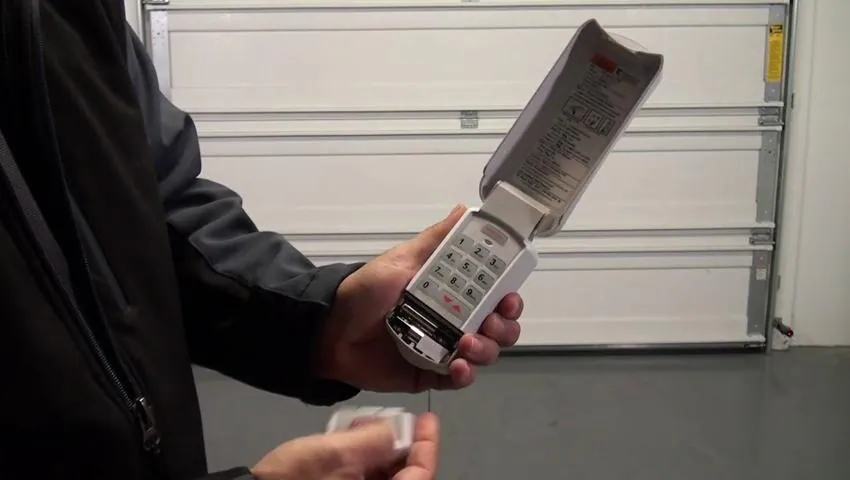
- Inspect for Visible Damage: Open the keypad and look for corrosion, broken parts, or loose wires.
- Test Button Response: Press each button and observe if any are unresponsive or feel different from the others.
- Reset and Reprogram: Sometimes, resetting and reprogramming the keypad can resolve software glitches. Refer to your manufacturer’s instructions.
- Test with the Garage Door Opener: Try operating the door with the wall button or remote. If these work but the keypad doesn’t, the issue is likely within the keypad itself.
If these steps do not resolve the issue, internal component failure is a strong possibility.
Repair or Replace? Making the Right Choice
When facing garage door keypad internal component failure, homeowners often wonder whether to attempt a repair or simply replace the unit. Here’s how to decide:
- Minor Issues: If the problem is limited to a single button or minor corrosion, cleaning or replacing the membrane switch may restore function.
- Extensive Damage: Multiple unresponsive buttons, severe corrosion, or a dead microcontroller usually mean replacement is the most cost-effective solution.
- Age of Keypad: If your keypad is over 7–10 years old, replacement is recommended due to the likelihood of further failures.
For those interested in DIY repairs, some keypads can be disassembled and cleaned with isopropyl alcohol. However, if you’re not comfortable with electronics, or if the circuit board is damaged, replacing the keypad is safer and more reliable.
You can find detailed answers to common questions about keypads in this comprehensive garage door keypad FAQ.

Preventing Future Keypad Failures
While no keypad lasts forever, you can extend the life of your next unit with some simple precautions:
- Install in a Sheltered Location: Place the keypad under an eave or awning to minimize water exposure.
- Use Weatherproof Models: Choose keypads rated for outdoor use and harsh weather.
- Regular Cleaning: Wipe down the keypad and check for signs of moisture or insect intrusion.
- Replace Batteries Promptly: Old batteries can leak and damage internal components.
For related troubleshooting, especially if your garage sensors are acting up, see resources like how to fix garage door sensor mounting on metal studs or how to troubleshoot garage door sensor issues in summer.
FAQ: Understanding and Addressing Keypad Malfunctions
What are the most common internal parts that fail in a garage door keypad?
The most frequent failures involve the membrane switches under the buttons, the circuit board (especially if exposed to moisture), and the microcontroller chip. Solder joints can also break due to vibration or age.
Can I repair a keypad with internal component damage myself?
Some minor issues, such as cleaning corrosion or replacing a worn button, can be handled by a careful DIYer. However, if the circuit board or microcontroller is damaged, replacement is usually more practical and safer.
How do I know if my keypad issue is internal or just a battery problem?
If fresh batteries do not restore function, and you notice symptoms like unresponsive buttons or erratic behavior, the problem is likely internal. Visual inspection for corrosion or broken parts can confirm this.
Is it worth upgrading to a newer keypad model?
Yes, newer models often offer better weather resistance, improved security features, and longer lifespans. If your current keypad is several years old or has repeated issues, upgrading is a smart investment.
By understanding the signs and causes of garage door keypad internal component failure, you can make informed decisions about repair, replacement, and prevention. Regular maintenance and prompt attention to symptoms will help ensure your garage door access remains reliable and secure.