Understanding how long a garage door keypad typically lasts is important for homeowners who want reliable and secure access to their garage. These wireless keypads are a convenient addition to any home, letting you open and close your garage without a remote or key. However, like all electronic devices, they have a limited service life. Knowing what affects their longevity, how to spot signs of wear, and when to replace them can save you time, money, and frustration.
In this article, you’ll learn about the typical garage door keypad lifespan, factors that influence how long they function, and practical tips to maximize their durability. We’ll also cover troubleshooting, maintenance, and when it’s time to upgrade your keypad for better security and performance.
If you are also dealing with sensor issues, you may find it helpful to read about how to fix garage door sensor mounting on metal studs for additional troubleshooting tips.
Average Service Life of Garage Door Keypads
The typical garage door keypad lifespan ranges from 5 to 10 years. Most modern keypads are designed to withstand daily use and outdoor conditions, but their longevity depends on several factors. Some homeowners may find their keypads last even longer with proper care, while others might need a replacement sooner due to environmental exposure or heavy use.
Manufacturers generally recommend considering a replacement every 7 to 10 years, especially if the keypad is exposed to harsh weather or shows signs of malfunction. Older models may have shorter lifespans due to less advanced weatherproofing and battery technology.
Key Factors Affecting How Long Your Keypad Lasts
Several elements can impact the durability of your garage keypad:
- Weather Exposure: Keypads installed outdoors face rain, snow, UV rays, and temperature swings. Prolonged exposure can cause buttons to wear out or electronics to corrode.
- Usage Frequency: The more often you use the keypad, the faster its buttons and internal components may wear down.
- Quality of Materials: Higher-end models typically use better seals and more robust electronics, increasing their expected lifespan.
- Battery Type and Maintenance: Regularly replacing the batteries helps prevent corrosion and power issues that can shorten the device’s life.
- Installation Location: Keypads placed under eaves or sheltered spots are less likely to suffer from water damage or sun fading.
Signs Your Garage Door Keypad Needs Replacement
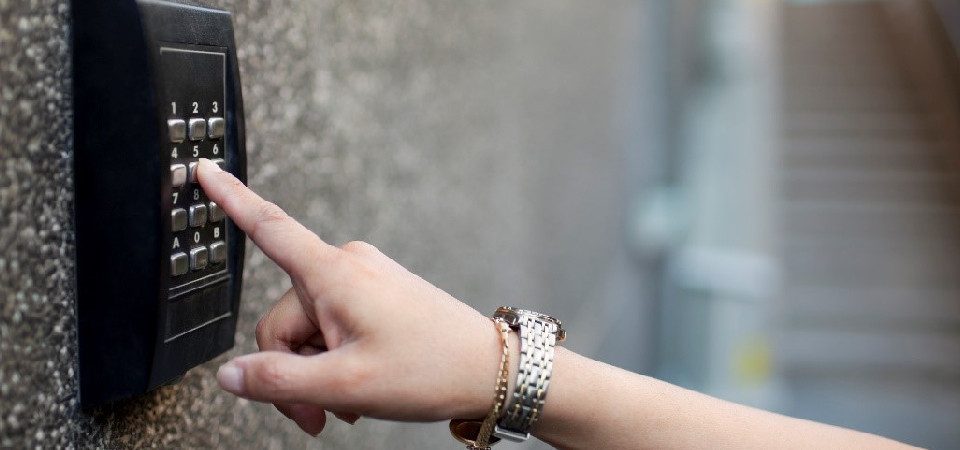
Even with good maintenance, all keypads eventually show signs of aging. Watch for these common indicators that it’s time for a new unit:
- Unresponsive Buttons: If certain keys stop working or require extra pressure, the internal contacts may be worn out.
- Intermittent Operation: If the keypad only works sometimes or requires multiple attempts, it may be failing.
- Visible Damage: Cracks, faded numbers, or water inside the unit are clear signs of deterioration.
- Frequent Battery Changes: Needing to replace batteries more often than usual can indicate internal electrical problems.
- Security Concerns: Older keypads may lack modern encryption, making them less secure against hacking attempts.
If you notice any of these issues, replacing the keypad is usually more cost-effective than attempting repairs, especially for older models.
How to Extend the Life of Your Garage Keypad
While the average garage door keypad lifespan is 5–10 years, you can take steps to maximize its durability:
- Install in a Protected Area: Whenever possible, mount the keypad in a spot shielded from direct rain and sunlight.
- Replace Batteries Regularly: Change batteries at least once a year and use high-quality alkaline batteries to prevent leaks.
- Clean Gently: Wipe the keypad with a soft, damp cloth to remove dirt and debris. Avoid harsh chemicals that can damage the plastic or rubber buttons.
- Check for Wear: Inspect the keypad periodically for cracks, loose buttons, or faded numbers.
- Update Security Codes: Change your access code regularly to maintain security, especially if you suspect someone else knows it.
For more on troubleshooting related garage door issues, see our article on why is my garage door sensor indicator light missing.
Troubleshooting Common Keypad Problems
If your keypad stops working, try these steps before replacing it:
- Check the Batteries: Dead or weak batteries are the most common cause of keypad failure.
- Reprogram the Keypad: Sometimes, the keypad loses its connection to the opener and needs to be re-synced. Refer to your manufacturer’s instructions.
- Inspect for Damage: Look for signs of water intrusion or physical damage that might affect the electronics.
- Test the Opener: Ensure the garage door opener itself is working with other remotes to rule out a problem with the opener.
If these steps don’t resolve the issue, it’s likely time for a new keypad. For more troubleshooting tips, you can refer to this guide on what to do when your garage door keypad is not working.
When to Upgrade Your Garage Door Keypad
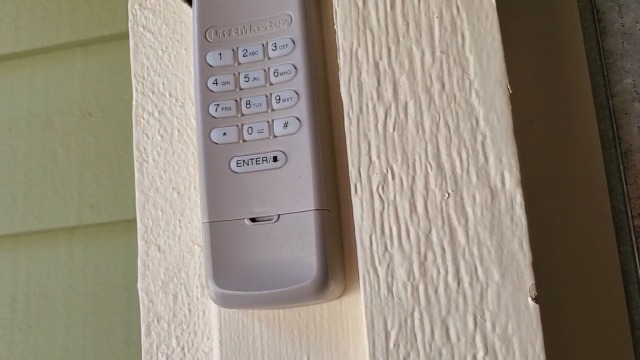
Replacing your keypad isn’t just about fixing a broken device—it’s also a chance to improve your home’s security and convenience. Modern keypads offer features like backlit buttons, weather-resistant designs, and rolling code technology for enhanced protection. If your keypad is more than a decade old or lacks these features, upgrading can provide peace of mind and better performance.
Additionally, if you’re experiencing repeated issues with your garage door sensors, you might want to check out our resource on how to fix garage door sensor bracket bending for related maintenance advice.
Frequently Asked Questions
How often should I replace my garage door keypad?
Most keypads last between 5 and 10 years. If yours is approaching this age, or you notice unresponsive buttons or frequent malfunctions, it’s wise to consider a replacement.
Can weather affect my keypad’s lifespan?
Yes, exposure to rain, snow, and extreme temperatures can shorten the life of your keypad. Installing it in a sheltered location and choosing a weather-resistant model can help extend its service life.
What should I do if my keypad stops working suddenly?
Start by replacing the batteries and checking for visible damage. If the problem persists, try reprogramming the keypad. If these steps don’t help, it may be time for a new device.
Conclusion
The expected garage door keypad lifespan is typically 5 to 10 years, but this can vary based on usage, weather, and maintenance. By keeping your keypad clean, sheltered, and updated, you can maximize its reliability and security. When signs of wear appear, upgrading to a modern model ensures continued convenience and peace of mind for your home.