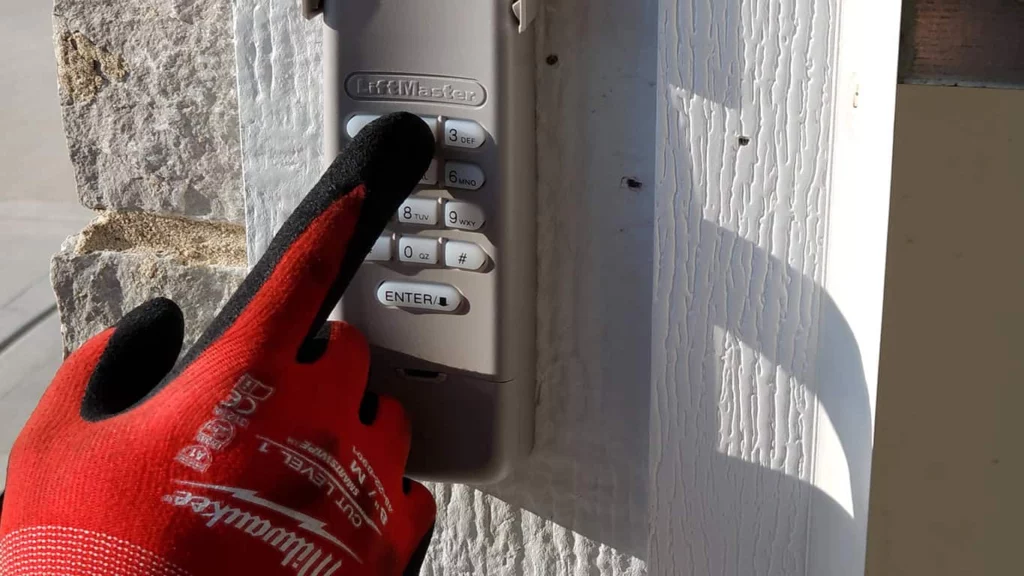
A malfunctioning garage door keypad can be a source of daily frustration. If you’ve ever pressed your keypad only to have nothing happen—or experienced intermittent operation—you’re not alone. One of the most common causes of these issues is garage door keypad loose connections. Understanding why these problems occur, how to spot them, and what you can do about it can help you restore reliable access to your garage.
This article breaks down the typical symptoms, causes, and step-by-step solutions for loose wiring and connection problems in garage door keypads. Whether you’re troubleshooting for the first time or looking to prevent future issues, you’ll find practical advice here. For those dealing with related garage door sensor problems, you may also find how to fix garage door sensor mounting on metal studs helpful.
Common Signs of Unstable Keypad Wiring
Before diving into repairs, it’s important to recognize the symptoms that point to garage door keypad loose connections. These signs can help you distinguish between a wiring issue and other potential faults, such as dead batteries or keypad programming errors.
- Intermittent Response: The keypad works only sometimes, or you need to press buttons repeatedly.
- No Power: The keypad does not light up or respond, even with fresh batteries.
- Partial Button Functionality: Some buttons work, while others do not, suggesting a connection issue inside the unit.
- Erratic Operation: The garage door opens or closes unexpectedly, or the keypad sends random signals.
If you notice any of these behaviors, a loose connection is a likely culprit. However, always check the batteries first, as weak power can mimic some of these symptoms.
Why Do Garage Door Keypad Connections Become Loose?
Several factors can cause the internal or external wiring of your keypad to become unstable. Understanding these causes can help you prevent future issues and maintain a reliable entry system.
- Vibration: Frequent use of the garage door can cause screws and terminals to loosen over time.
- Weather Exposure: Outdoor keypads are exposed to temperature changes, humidity, and precipitation, which can cause materials to expand, contract, and shift.
- Improper Installation: If the keypad was not securely mounted or the wires were not firmly attached during installation, connections may loosen prematurely.
- Corrosion: Moisture can lead to rust or corrosion on terminals, weakening the electrical connection.
- Physical Impact: Accidental bumps or tampering can dislodge wires or connectors inside the keypad housing.
Regular inspection and maintenance are key to preventing these issues. If you live in an area with extreme weather, consider checking your keypad connections more frequently.

How to Diagnose and Repair Faulty Keypad Connections
Addressing garage door keypad loose connections is often a straightforward process, but it does require careful attention to detail. Here’s a step-by-step guide to help you troubleshoot and fix the issue:
- Turn Off Power: If your keypad is hardwired, disconnect power at the breaker to avoid electrical shock.
- Open the Keypad Housing: Use a screwdriver to remove the cover. For wireless models, this usually involves unscrewing the back plate.
- Inspect the Wires: Look for any wires that are disconnected, frayed, or corroded. Gently tug each wire to check if it’s loose.
- Tighten Connections: Use a small screwdriver to tighten any loose terminal screws. If you find corrosion, clean the contacts with a small brush or contact cleaner.
- Check for Broken Solder Joints: On some keypads, wires are soldered directly to the circuit board. If you see cracked or broken solder points, these may need to be re-soldered.
- Reassemble and Test: Once all connections are secure, reattach the cover and restore power. Test the keypad to ensure all buttons work and the garage door responds as expected.
If the problem persists after tightening and cleaning connections, the keypad itself may be faulty. In that case, replacing the unit is often the most cost-effective solution.
Preventing Future Keypad Connection Problems
Once you’ve resolved any loose wiring, a few simple steps can help keep your keypad functioning reliably:
- Regular Inspections: Check the keypad and wiring at least twice a year, especially after severe weather or heavy use.
- Weatherproofing: Use silicone sealant around the edges of the keypad to prevent moisture from entering.
- Secure Mounting: Make sure the keypad is firmly attached to the wall or mounting surface to minimize vibration.
- Replace Batteries Promptly: For wireless models, change batteries at the first sign of weak performance to avoid corrosion from leaks.
For additional tips on maintaining your garage door system, you might want to review how to fix garage door sensor wiring using electrical tape for related electrical troubleshooting advice.
When to Replace Your Garage Door Keypad
While many connection issues can be repaired, there are times when replacement is the best option. Consider a new keypad if:
- The unit is more than 10 years old and shows signs of wear or water damage.
- Multiple buttons fail to work, even after cleaning and tightening connections.
- The circuit board is visibly damaged or corroded.
- You want to upgrade to a newer model with additional security features.
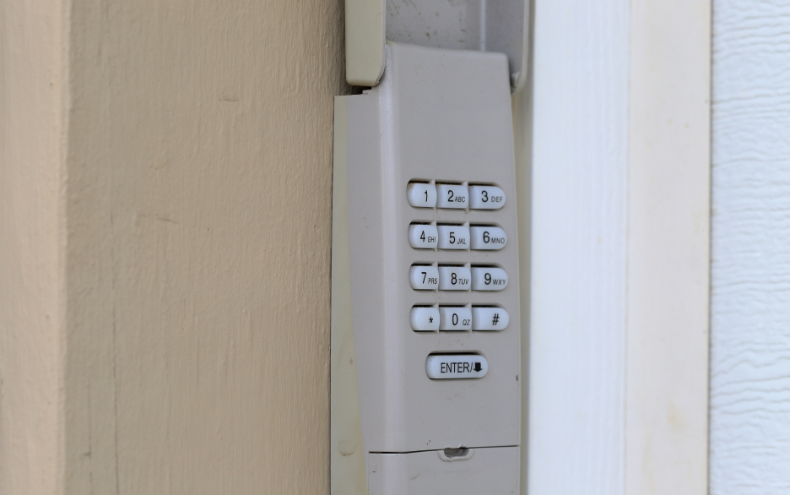
Upgrading to a modern keypad can offer improved reliability and features such as backlit buttons, rolling codes, and weather-resistant designs. For more information on the benefits of keyless entry, see this overview of garage keypads for openers.
Related Troubleshooting Resources
If you’re experiencing other garage door issues, such as sensors not working or unusual noises, these resources may help:
- why is my garage door sensor transmitter dead
- why is my garage door sensor light blinking twice
- how to fix garage door sensor hum or buzz
Frequently Asked Questions
What causes a garage door keypad to stop working suddenly?
Sudden failure is often due to dead batteries, but loose or corroded connections are another frequent cause. Always check the wiring and battery contacts if your keypad stops responding.
Can I fix loose keypad connections myself?
Yes, most homeowners can safely tighten terminal screws, clean contacts, and check for disconnected wires. If you’re unsure or the keypad is hardwired, consider consulting a professional for safety.
How can I prevent loose connections in my garage door keypad?
Regularly inspect the keypad, keep it protected from weather, and ensure it’s securely mounted. Promptly replace batteries and address any signs of corrosion or wear to maintain reliable operation.