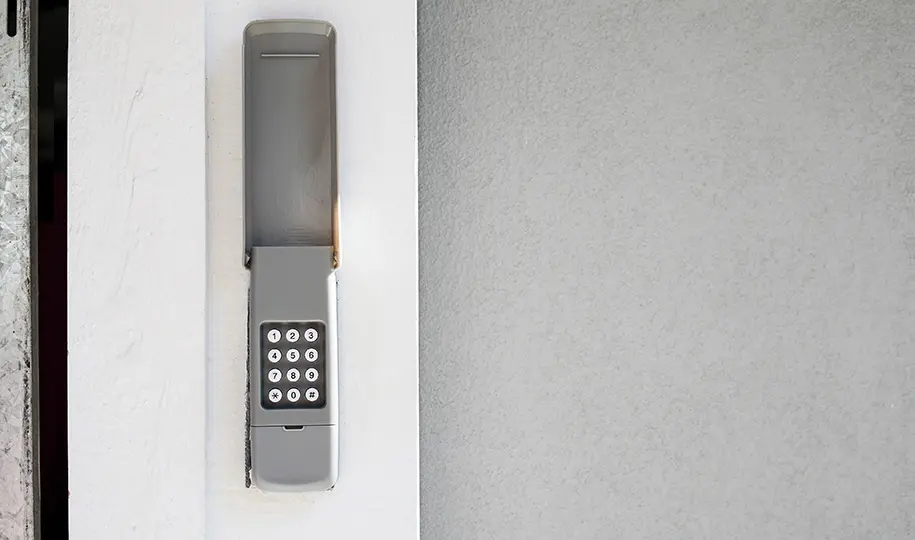
A garage door keypad is a convenient and secure way to access your garage without needing a remote or physical key. However, when the keypad stops working, it can be frustrating and may leave you locked out or unable to secure your garage. One of the most common causes of keypad failure is a power supply issue. Understanding the different types of garage door keypad power supply problems can help you troubleshoot, fix, or prevent these issues and keep your garage accessible and safe.
This article covers the most frequent causes of keypad power failures, how to diagnose them, and practical solutions you can try at home. We’ll also highlight when it’s time to call a professional and provide tips for ongoing maintenance. If you’re also experiencing issues with your garage door sensors, you might find our guide on how to fix garage door sensor mounting on metal studs helpful.
Common Causes of Power Supply Issues in Garage Door Keypads
Most garage door keypads are powered by batteries, but some are hardwired into the home’s electrical system. Regardless of the power source, several factors can disrupt the supply and cause the keypad to malfunction. Here are the most frequent culprits:
- Dead or Weak Batteries: The majority of keypads use standard 9V or AA batteries. Over time, these batteries lose their charge and need replacement.
- Corroded Battery Contacts: Moisture or battery leaks can corrode the metal contacts, preventing proper electrical flow.
- Loose Wiring or Connections: For hardwired keypads, vibrations or wear can loosen wires, interrupting the power supply.
- Faulty Power Adapter or Transformer: If your keypad uses an external power adapter, a failure here can cut off power entirely.
- Environmental Factors: Extreme temperatures, humidity, or water intrusion can damage internal components and disrupt power delivery.
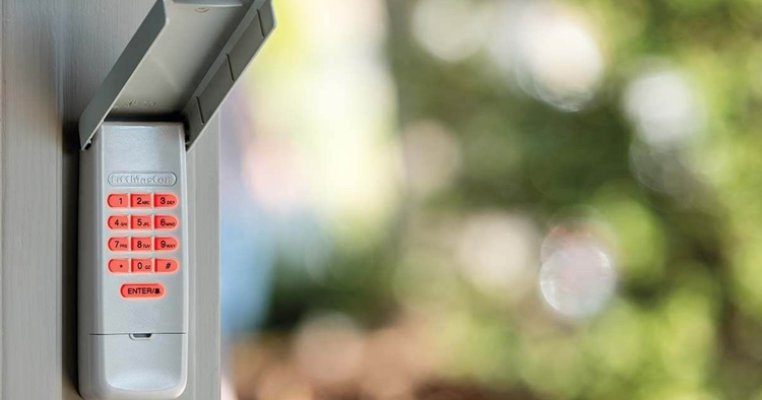
How to Diagnose Garage Door Keypad Power Failures
If your keypad is unresponsive or only works intermittently, start by narrowing down the source of the problem. Here’s a step-by-step approach:
- Check for Obvious Signs: Is the keypad completely dead, or do some buttons still light up? Are there any visible cracks, water damage, or corrosion?
- Test the Batteries: Replace the existing batteries with fresh ones, ensuring correct polarity. If the keypad powers up, the issue was likely just weak batteries.
- Inspect Battery Contacts: Look for white or greenish residue on the contacts. Clean gently with a cotton swab and a bit of vinegar or rubbing alcohol if needed.
- Examine Wiring (for Hardwired Units): Turn off power at the breaker, then check for loose, frayed, or disconnected wires. Re-secure any loose connections.
- Test the Power Adapter: If your keypad uses an external adapter, try plugging it into another outlet or testing with a multimeter to confirm it’s delivering the correct voltage.
- Environmental Assessment: If you notice condensation, water stains, or the keypad is exposed to direct weather, consider relocating or adding a weatherproof cover.
If none of these steps restore function, the keypad’s internal circuitry may be damaged and require replacement.
Solutions for Persistent Power Supply Problems
Once you’ve identified the likely cause, you can take targeted steps to resolve the issue. Here are some practical fixes for common garage door keypad power supply problems:
- Replace Batteries Regularly: Most manufacturers recommend changing batteries every 1–2 years, or sooner if you notice reduced range or responsiveness.
- Clean Contacts: After removing old batteries, gently clean the contacts to ensure a solid electrical connection.
- Secure Wiring: For wired keypads, double-check that all connections are tight and free from corrosion. Replace any damaged wires.
- Upgrade Power Adapter: If the adapter is faulty, purchase a compatible replacement from the manufacturer or a reputable electronics store.
- Protect Against the Elements: Install a weatherproof cover or move the keypad to a more sheltered location if possible.
- Replace the Keypad: If the unit is old or has suffered water damage, replacement may be the most reliable solution.
For more details on related garage door sensor issues, you can also check out our article on why is my garage door sensor indicator light missing.

When to Call a Professional for Keypad Power Issues
While many garage door keypad power supply problems can be solved with basic troubleshooting, some situations require expert help:
- You suspect electrical wiring issues that could pose a safety risk.
- The keypad is integrated with a smart home system and requires reprogramming.
- There is evidence of water damage inside the wall or electrical box.
- Repeated failures occur even after replacing batteries and cleaning contacts.
Professional technicians have the tools and expertise to diagnose complex electrical faults and can recommend whether repair or replacement is the best option.
For more information on keypad troubleshooting, you can read this comprehensive FAQ about garage door keypads.
Preventive Maintenance Tips for Reliable Keypad Operation
Preventing garage door keypad power supply problems is often easier than dealing with a malfunction. Here are some maintenance tips to keep your keypad working reliably:
- Replace batteries before they are fully drained, especially before winter or long absences.
- Inspect the keypad and its housing for cracks or gaps that could let in moisture.
- Clean the keypad surface and buttons regularly to prevent dirt buildup.
- Test the keypad monthly to ensure it’s responsive and the door opens as expected.
- If you live in an area with extreme weather, consider a weather-resistant model.
If you encounter issues with your garage door sensors, such as shifting due to temperature or bracket bending, our guides on how to fix garage door sensor from shifting due to temperature and how to fix garage door sensor bracket bending offer practical solutions.
Frequently Asked Questions
Why does my garage door keypad stop working in cold weather?
Cold temperatures can reduce battery efficiency and cause condensation inside the keypad, leading to poor electrical contact or corrosion. Using high-quality batteries and installing a weatherproof cover can help prevent these issues.
How often should I replace the batteries in my garage door keypad?
Most manufacturers recommend changing the batteries every 12 to 24 months. However, if you notice reduced range, slow response, or intermittent operation, replace them sooner.
Can I use rechargeable batteries in my garage door keypad?
While some keypads may work with rechargeable batteries, most are designed for standard alkaline batteries. Rechargeables may not provide consistent voltage and could lead to unreliable performance. Always check your keypad’s manual for battery recommendations.
What should I do if cleaning and battery replacement don’t fix my keypad?
If basic troubleshooting doesn’t restore function, the keypad’s internal electronics may be damaged. In this case, replacing the unit is usually the most effective solution. If you’re unsure, consult a professional technician for diagnosis.
Conclusion
Power supply issues are a leading cause of garage keypad malfunctions, but most can be resolved with simple steps like replacing batteries, cleaning contacts, or checking wiring. Regular maintenance and prompt attention to warning signs will help ensure your garage remains secure and accessible. For more tips on keeping your garage door system in top shape, explore our article on why is my garage door sensor light turning off and on.