


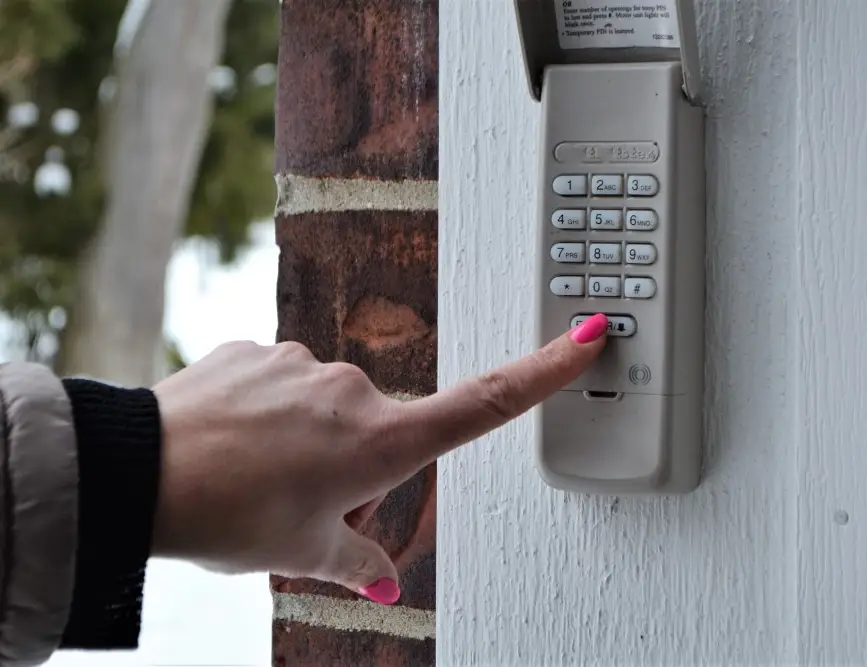
Modern garage access systems have evolved far beyond simple remotes and manual locks. Today, garage door keypad safety features play a crucial role in protecting your home and providing convenient entry for your family. Understanding the technology and safeguards built into these devices can help you make informed decisions about installation, usage, and upgrades.
Whether you’re considering adding a keypad to your existing opener or want to know how your current system keeps your property secure, this article covers the essential protections, how they work, and what to look for when evaluating keypad options. For a deeper dive into the basics of these devices, you might find this overview of what is a garage door keypad helpful as well.
Why Security Matters for Garage Entry Keypads
The garage is often a primary entry point to the home, making it a potential target for unauthorized access. Keypads offer a layer of protection by requiring a code rather than a physical key or remote, but not all systems are created equal. The best garage door keypad safety features are designed to prevent code guessing, signal interception, and tampering.
If you’ve ever experienced issues with your keypad, such as unresponsiveness or malfunction, it’s important to address them promptly. Learn more about troubleshooting with this guide on garage door keypad not responding.
Core Protections Built Into Modern Garage Keypads
Manufacturers have introduced several layers of defense to ensure only authorized users can open your garage. Here are some of the most important safety mechanisms found in today’s systems:
- Rolling Code Technology: This feature changes the entry code each time the keypad is used, making it extremely difficult for outsiders to intercept and reuse the signal.
- Temporary Access Codes: Many keypads allow you to set one-time or limited-use codes for guests, service providers, or deliveries, which can be deleted or expire after use.
- Lockout Mode: After a set number of incorrect code attempts, the keypad will temporarily disable itself, deterring brute-force guessing.
- Backlit and Weatherproof Design: While not strictly a security feature, a backlit keypad ensures safe operation at night, and weatherproofing prevents tampering or malfunction due to environmental factors.
- Wireless Encryption: Advanced models encrypt the wireless signal between the keypad and opener, reducing the risk of hacking.

How Keypad Security Features Work in Practice
Each of the protections listed above serves a specific purpose in keeping your garage secure. For example, rolling code technology ensures that even if someone tries to intercept your keypad’s wireless signal, the code will be useless after a single use. This is a significant improvement over older fixed-code systems, which were vulnerable to code grabbing.
Temporary codes are especially useful for granting access to trusted visitors without compromising your main code. Once the temporary code expires or is deleted, it can’t be used again. Lockout modes prevent repeated guessing, and backlit keypads reduce the risk of entering the wrong code in low light.
For a comprehensive look at how these devices operate, see this resource on how garage door keypads work.
Choosing a Keypad With the Best Safety Features
When shopping for a new keypad or upgrading your current one, prioritize models that offer the latest protections. Here are some tips for evaluating your options:
- Look for rolling code or Security+ technology, which is standard in most reputable brands.
- Check if the keypad supports multiple user codes and temporary access.
- Ensure the device is weather-resistant and has a backlit keypad for safe nighttime use.
- Consider wireless encryption if you live in an area with higher security concerns.
- Read product reviews and manufacturer documentation to confirm the presence of lockout and tamper-resistant features.
Maintaining and Updating Your Keypad for Ongoing Security
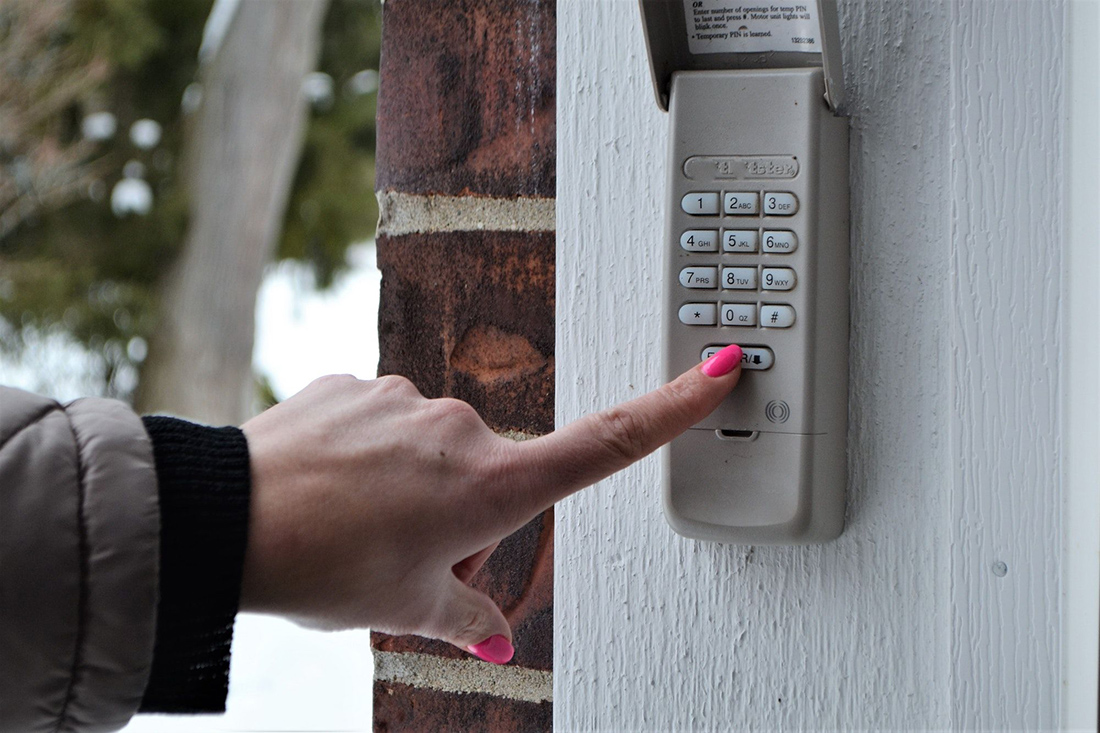
Even the best keypad can become a weak link if not properly maintained. Regularly updating your access codes, checking battery life, and inspecting for signs of tampering are all important steps. If your keypad starts to malfunction, addressing issues quickly is essential to avoid leaving your garage vulnerable. For troubleshooting and repair tips, see this article on garage door keypad repair explained.
It’s also wise to periodically review your keypad’s user manual for firmware updates or additional features that may have been added since installation. Some newer models allow for remote management via smartphone apps, adding another layer of convenience and control.
Additional Resources and Expert Advice
If you’re interested in a more detailed breakdown of keypad types, installation tips, and advanced security options, check out this comprehensive guide to garage door keypads. Staying informed about the latest advancements ensures your home remains protected against evolving threats.
Frequently Asked Questions
What should I do if my garage keypad stops working?
First, check the battery and replace it if necessary. If the keypad still doesn’t respond, ensure the device is clean and free of debris. If problems persist, consult the manufacturer’s troubleshooting guide or refer to a resource on garage door keypad not responding for further steps.
How often should I change my keypad access code?
It’s a good practice to update your code every few months, especially if you’ve shared it with guests or service providers. Regularly changing the code reduces the risk of unauthorized access.
Are wireless keypads safe from hacking?
Most modern keypads use encrypted signals and rolling code technology, making them highly resistant to hacking. However, no system is completely immune, so always use strong codes and keep your device’s firmware up to date.
Can I install a garage keypad myself?
Many keypads are designed for DIY installation and come with detailed instructions. If you’re comfortable with basic tools and following directions, you can likely install it yourself. For more complex systems or integration with smart home devices, professional installation may be recommended.
What features should I look for in a new keypad?
Prioritize models with rolling code technology, temporary access codes, lockout protection, weather resistance, and wireless encryption. These features offer the best balance of security and convenience.
