A sudden thunderstorm can bring more than just heavy rain and wind. If you’ve discovered your garage door halfway stuck after lightning, you’re not alone. Power surges from lightning strikes can disrupt or damage the electrical and mechanical systems that control your garage door, leaving it jammed or unresponsive. Understanding what to inspect and how to safely address the issue is crucial for restoring access and preventing further complications.
This guide will walk you through the most common causes, step-by-step troubleshooting, and practical solutions. If you’re also dealing with related sensor issues, you may find how to fix garage door sensor mounting on metal studs helpful as well.
Why Lightning Can Cause Your Garage Door to Get Stuck
Lightning strikes can create powerful electrical surges that travel through your home’s wiring. Garage door openers and their related sensors are particularly vulnerable to these surges. When a surge hits, it can fry circuit boards, disrupt sensor alignment, or even cause mechanical parts to seize up. The result is often a door that won’t move past a certain point or stops responding entirely.
In most cases, the problem is electrical, but sometimes the sudden jolt can also affect the physical components of the system. Recognizing the signs of surge damage is the first step toward a solution.
Initial Safety Steps Before Troubleshooting
Before you begin inspecting your garage door, prioritize safety:
- Unplug the garage door opener from the outlet to prevent further electrical issues.
- Do not attempt to force the door open or closed, as this could cause injury or worsen the damage.
- Check for any visible signs of burning, melting, or a burning smell near the opener or wiring.
Common Causes When a Garage Door Stops Midway After a Storm
If your overhead door is stuck partway after a lightning event, several culprits may be to blame:
- Fried circuit board: A surge can destroy the opener’s internal electronics, making it unresponsive.
- Sensor misalignment or failure: Safety sensors may be knocked out of alignment or damaged, preventing the door from moving.
- Blown fuse or tripped breaker: The opener or its circuit may have lost power due to a blown fuse or breaker.
- Mechanical jam: The sudden stop could have caused a physical jam in the tracks or rollers.
- Limit switch disruption: The opener’s settings may have been reset or corrupted, causing it to stop at the wrong point.
Step-by-Step Troubleshooting for a Stuck Garage Door After Lightning
-
Check the Power Source
Ensure the opener is plugged in and the outlet is working. Test the outlet with another device. If the opener isn’t receiving power, check your home’s breaker panel for any tripped breakers or blown fuses. -
Inspect the Opener’s Circuit Board
Open the garage door opener’s housing and look for signs of damage such as burnt areas or a melted smell. If you see obvious damage, the circuit board may need replacing. -
Test the Wall Switch and Remote
Try operating the door with both the wall switch and the remote. If neither works, the opener or its wiring may be damaged. -
Examine the Safety Sensors
Look for blinking lights or misalignment on the photo-eye sensors near the base of the door tracks. Clean the lenses and realign them if necessary. If the sensors are unresponsive, they may have been damaged by the surge.
For more on sensor issues, see why is my garage door sensor light blinking twice. -
Try Manual Release
Pull the emergency release cord (usually a red handle) to disconnect the door from the opener. Carefully attempt to move the door by hand. If it moves freely, the problem is likely with the opener, not the door itself. -
Inspect Tracks and Rollers
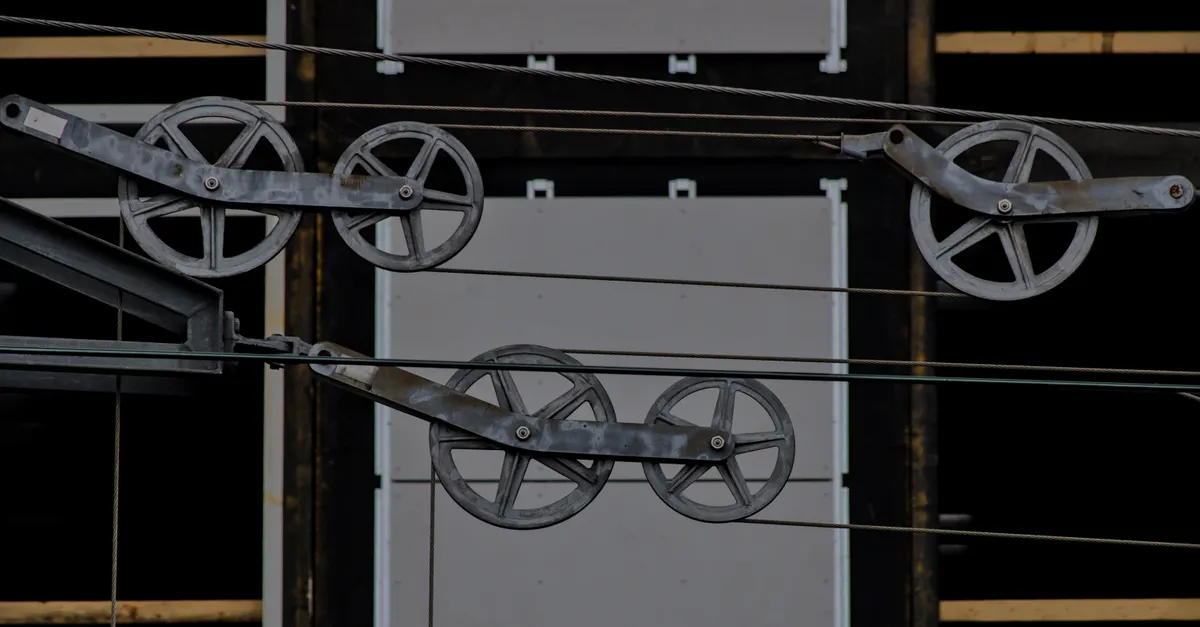
Check for obstructions, dents, or debris in the tracks. Lubricate the rollers and hinges with a garage door lubricant spray to ensure smooth movement. -
Reset the Opener
Some openers have a reset button or require unplugging and replugging to reset. Consult your manual for the correct procedure.
How to Fix Common Problems After a Surge
If your inspection reveals a damaged circuit board or sensors, these parts often need replacement. Many modern openers have surge protection, but it’s not foolproof. If you’re comfortable with DIY repairs, you can order replacement boards or sensors online. Otherwise, contact a professional technician for safe and effective repairs.
If the issue is with the tracks or rollers, a thorough cleaning and lubrication may restore normal operation. For persistent issues with the opener’s electronics, replacement may be the most reliable solution.

Preventing Future Issues with Power Surges
While it’s impossible to control the weather, you can take steps to protect your garage door system from future lightning-related problems:
- Install a surge protector on your garage door opener’s power outlet.
- Unplug the opener during severe storms if possible.
- Schedule regular maintenance to ensure all components are in good condition.
- Consider upgrading to a newer opener with built-in surge protection.
For more tips on troubleshooting sensors and wiring, see our guides on how to fix garage door sensor wiring using electrical tape and why is my garage door sensor transmitter dead.
When to Call a Professional
If you’ve completed the troubleshooting steps and your garage door remains stuck, or if you notice significant electrical damage, it’s best to contact a qualified technician. Attempting complex repairs without the right expertise can be dangerous and may void your warranty.
For more in-depth troubleshooting and repair advice, you can refer to resources like this detailed guide on why garage doors stop halfway and how to fix it.
Frequently Asked Questions
Can a lightning strike permanently damage my garage door opener?
Yes, a direct or nearby lightning strike can cause permanent damage to the opener’s circuit board, sensors, or wiring. In many cases, replacing the damaged components or the entire opener is necessary.
Is it safe to manually open a garage door after a power surge?
It is generally safe to use the emergency release to open your garage door manually, provided there is no visible structural damage. Always proceed with caution and avoid forcing the door if it feels stuck or heavy.
How can I prevent my garage door from getting stuck during future storms?
Installing a surge protector, keeping the opener unplugged during severe weather, and maintaining the door’s mechanical parts can help reduce the risk. Upgrading to a modern opener with surge protection is also a good preventive step.
What should I do if my garage door sensors stop working after lightning?
First, check for misalignment or debris on the sensors. If cleaning and realigning don’t help, the sensors may need to be replaced. Refer to our article on how to fix garage door sensor hum or buzz for more troubleshooting tips.