Garage door keypads offer a convenient way to access your garage without a remote or physical key. However, many homeowners encounter garage door keypad security code issues that can leave them locked out or concerned about safety. Understanding the root causes of these problems and how to resolve them is essential for maintaining both convenience and security.
From forgotten codes to malfunctioning keypads, a range of factors can disrupt normal operation. In this guide, we’ll break down the most common security code challenges, provide troubleshooting steps, and share tips for keeping your entry system reliable and secure. If you’re also dealing with sensor problems, you may find it helpful to read about how to fix garage door sensor mounting on metal studs for additional troubleshooting.
Understanding Common Garage Keypad Code Problems
Keypad entry systems are designed for ease of use, but several issues can arise with their security codes. Some of the most frequent problems include:
- Forgotten or lost codes: It’s easy to forget a code you don’t use daily, especially if multiple family members have programmed their own.
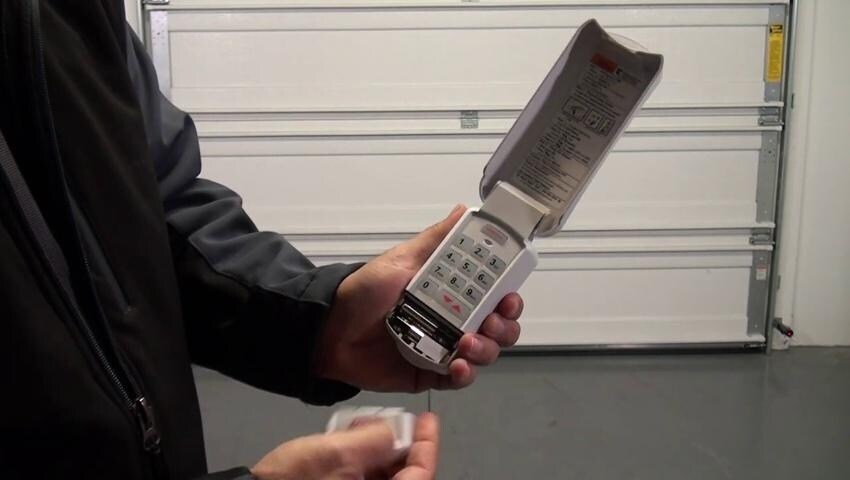
- Keypad not accepting the code: Sometimes, the keypad won’t recognize the correct code, which could be due to battery issues, worn-out buttons, or interference.
- Code reset failures: Attempting to change or reset the code doesn’t always work as expected, leaving the keypad unresponsive.
- Security concerns: If you suspect someone else knows your code, or if the code was never changed after moving in, your garage’s security could be compromised.
Many of these challenges can be addressed with simple troubleshooting, but some may require a deeper look at your keypad’s hardware or your garage door opener’s compatibility.
Causes of Security Code Malfunctions
Several factors can contribute to garage door keypad security code issues. Identifying the root cause is the first step toward a solution.
- Dead or weak batteries: Low battery power can cause the keypad to malfunction or fail to transmit the code to the opener.
- Physical damage: Exposure to weather, dust, or physical impact can damage the keypad’s circuitry or buttons.
- Interference or signal problems: Nearby electronic devices, metal objects, or even certain types of lighting can interfere with the wireless signal.
- Incorrect programming: If the keypad wasn’t programmed correctly, or if the opener’s memory is full, new codes may not be accepted.
- Worn-out keypad: Over time, keypads can simply wear out, especially if buttons become unresponsive or stuck.
If you’re experiencing persistent issues, it may be time to inspect your keypad for visible damage or consider replacing it with a newer model.
How to Troubleshoot Garage Keypad Entry Code Errors
If your keypad isn’t working as expected, try these troubleshooting steps before calling a professional:
- Check the batteries: Replace the batteries with fresh ones, even if the keypad lights up. Weak batteries can cause intermittent failures.
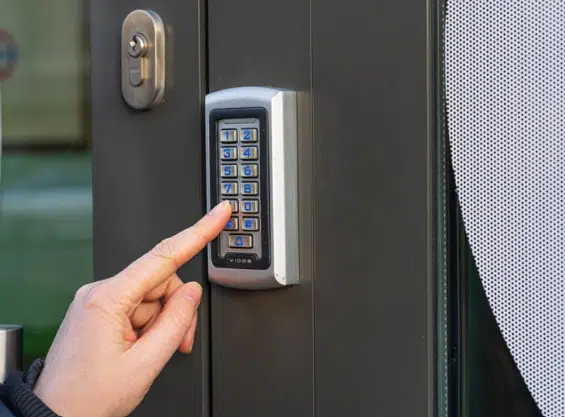
- Inspect for physical damage: Look for signs of water intrusion, cracked casing, or stuck buttons. Clean the keypad gently if needed.
- Reprogram the code: Follow your manufacturer’s instructions to reset or reprogram the entry code. This often resolves memory or programming glitches.
- Test the opener: Try opening the garage with a remote. If the remote works but the keypad doesn’t, the issue is likely with the keypad itself.
- Check for interference: Move any electronic devices or metal objects away from the keypad and opener to reduce signal disruption.
If you continue to have trouble, consult your user manual or manufacturer’s website for model-specific guidance. For more advanced troubleshooting, you might also want to review resources on why is my garage door sensor indicator light missing if you suspect related electrical or sensor issues.
Best Practices for Garage Entry Code Security
Maintaining the security of your garage keypad is just as important as keeping it functional. Here are some tips to help protect your home:
- Change the code regularly: Update your entry code every few months, especially after guests or service providers have had access.
- Avoid obvious codes: Don’t use easily guessed numbers like “1234” or your address.
- Limit code sharing: Only share the code with trusted individuals and remind them not to write it down where it can be found.
- Upgrade to rolling code technology: Modern keypads use rolling codes that change with each use, making them harder to hack.
- Monitor for unusual activity: If you notice failed entry attempts or the keypad behaving strangely, reset the code and check for tampering.
For more in-depth answers to common keypad questions, you can visit this comprehensive FAQ on garage door keypads.
When to Replace Your Garage Keypad
Sometimes, persistent garage door keypad security code issues signal that it’s time for a replacement. Consider upgrading your keypad if:
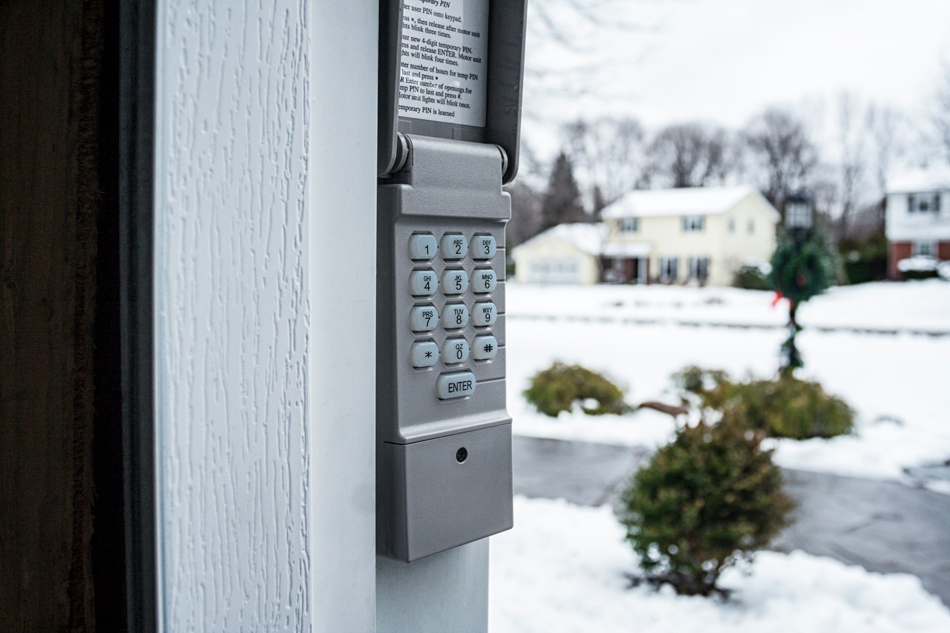
- The buttons are worn out or unresponsive, even after cleaning.
- The unit is physically damaged or exposed to the elements.
- Reprogramming and battery changes don’t resolve the problem.
- Your keypad lacks modern security features like rolling codes.
A new keypad can improve both convenience and security. When shopping for a replacement, make sure it’s compatible with your garage door opener’s brand and model.
If you’re also experiencing sensor-related issues, such as misalignment or malfunction, you might want to read about how to fix garage door sensor bracket bending for additional guidance.
FAQ: Troubleshooting and Security for Garage Keypads
Why won’t my garage keypad accept the correct code?
This is often due to dead batteries, worn-out buttons, or interference from nearby electronics. Try replacing the batteries, cleaning the keypad, and ensuring there’s no signal disruption. If the problem persists, reprogram the code following your manufacturer’s instructions.
How often should I change my garage keypad code?
It’s a good idea to update your code every three to six months, or immediately after someone who had access no longer needs it. Regular changes help maintain security and prevent unauthorized entry.
What should I do if I forget my entry code?
Most keypads allow you to reset the code by following the manufacturer’s programming process, which usually involves pressing a “learn” button on the opener unit. Refer to your manual for specific steps. If you’re unable to reset it, consider contacting a professional or replacing the keypad.
Can weather affect my garage keypad’s performance?
Yes, exposure to rain, snow, or extreme temperatures can damage the keypad or cause it to malfunction. If your keypad is outdoors, choose a weather-resistant model and consider installing a protective cover.
Conclusion
Addressing garage door keypad security code issues is essential for both convenience and peace of mind. By understanding the common causes, following troubleshooting steps, and practicing good security habits, you can keep your garage entry system reliable and safe. If you encounter persistent problems, don’t hesitate to consult your manufacturer or consider upgrading to a newer, more secure keypad. For related troubleshooting, explore resources like why is my garage door sensor light turning off and on to ensure all aspects of your garage system are functioning optimally.