When your LiftMaster garage door refuses to close or the safety sensors start acting up, it can be both inconvenient and frustrating. These small but essential devices play a critical role in keeping your garage door operating safely. If you’re facing issues with your system, this guide to fixing LiftMaster garage door sensors will walk you through the most common causes, troubleshooting steps, and practical solutions. Whether you’re a homeowner looking to save on repair costs or simply want to understand your garage door better, you’ll find actionable advice here.
Before diving into the technical steps, it’s important to understand how these sensors work and why they sometimes fail. By following the methods outlined below, you can restore your garage door’s safety features and avoid unnecessary service calls. For those interested in more advanced repairs, you may also want to learn about how to rewire garage door sensors for a deeper understanding of the wiring and connections involved.
Understanding LiftMaster Garage Door Sensors
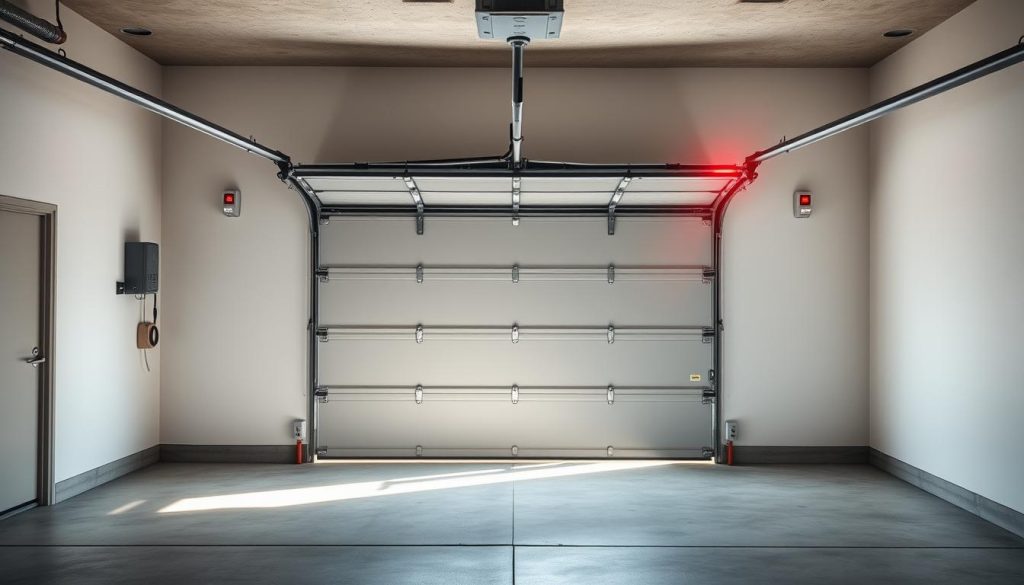
LiftMaster garage door sensors are designed to prevent accidents by detecting obstructions in the path of the closing door. Typically, these sensors are installed on either side of the garage door, a few inches above the ground. They work by sending an invisible infrared beam from one sensor to the other. If the beam is interrupted, the door will not close, protecting people, pets, and property.
Problems with these sensors can arise due to misalignment, dirt, wiring issues, or even sunlight interference. Recognizing the symptoms early can help you address the issue before it leads to more significant malfunctions.
Common Signs of Sensor Malfunction
If your garage door won’t close or the opener light blinks repeatedly, it’s likely an issue with the safety sensors. Here are some typical signs that indicate sensor trouble:
- The garage door reverses immediately after touching the floor.
- Opener lights blink but the door doesn’t move.
- One or both sensor indicator lights are off or flickering.
- The door only closes when you hold down the wall button.
For a detailed explanation of why your door might only close when holding the button, see why does my garage door only close when I hold the button.
Step-by-Step Troubleshooting for Sensor Issues
Addressing sensor problems doesn’t always require professional help. Follow these steps to diagnose and resolve common issues:
1. Check for Obstructions and Clean the Lenses
Dirt, spider webs, or small objects can block the sensor’s beam. Use a soft cloth to gently clean the lenses on both sensors. Make sure nothing is physically blocking the path between them.
2. Ensure Proper Alignment
Misaligned sensors are a leading cause of malfunction. Both sensors should face each other directly, with their indicator lights glowing steadily. If one or both lights are off or blinking, gently adjust the sensors until the lights remain solid. Secure them in place to prevent future misalignment.
3. Inspect Sensor Wiring
Damaged or loose wires can disrupt the connection. Examine the wires leading to each sensor for visible wear, fraying, or disconnections. If you suspect wiring issues, you may find it helpful to follow a guide to checking garage door sensor wiring for damage for step-by-step instructions.
4. Test the Sensors
Most LiftMaster models have LED indicators on the sensors. A steady light usually means the sensor is working, while a blinking or off light signals a problem. Try closing the garage door and observe the LED behavior. For a more thorough approach, you can refer to a resource on testing garage door safety sensors to ensure proper function.
5. Address Sunlight and Electrical Interference
Direct sunlight or nearby electrical devices can interfere with infrared signals. If your sensors work intermittently, try shading them or moving electrical items away from the area. In some cases, replacing the sensors with updated models can resolve persistent interference.
Advanced Fixes and When to Replace Sensors
If basic troubleshooting doesn’t solve the issue, you may need to consider more advanced repairs or sensor replacement. Persistent problems like flickering lights, repeated misalignment, or visible damage often indicate it’s time for new sensors. Always use compatible LiftMaster parts for replacements to maintain safety and reliability.
If you’re considering bypassing the sensors temporarily—perhaps during troubleshooting—be sure to do so safely. For guidance, see this guide to bypass garage door sensors safely. Remember, bypassing should only be a short-term solution and never a permanent fix.
Expert Tips for Maintaining Sensor Performance
- Regularly clean the sensor lenses to prevent dust buildup.
- Check alignment after any impact or accidental bumping of the sensors.
- Inspect wiring annually for signs of wear or rodent damage.
- Test the sensors monthly by closing the door with an object in the path to confirm the safety feature works.
- Replace sensors if they show persistent faults even after troubleshooting.
When to Call a Professional
While many sensor issues can be fixed with DIY methods, there are times when professional help is necessary. If you notice burnt wires, persistent electrical faults, or if the opener itself is malfunctioning, it’s best to contact a certified technician. Attempting complex repairs without proper knowledge can compromise the safety of your garage door system.
Additional Resources
For more in-depth repair instructions, you can consult this comprehensive guide on fixing garage door sensors. These resources provide step-by-step visuals and troubleshooting tips for a variety of sensor issues.
Frequently Asked Questions
What causes LiftMaster garage door sensors to stop working?
The most common reasons include misalignment, dirty lenses, wiring problems, or interference from sunlight or electrical devices. Regular maintenance and prompt troubleshooting can prevent most sensor failures.
How do I know if my garage door sensors are aligned?
Both sensors should display a steady indicator light when properly aligned. If either light is blinking or off, adjust the sensors until both lights remain solid.
Can I bypass LiftMaster sensors temporarily?
While it’s possible to bypass the sensors for troubleshooting, it’s not recommended as a permanent solution. Always restore the safety system after repairs to ensure proper protection for people and property.
How often should I test my garage door sensors?
It’s best to test the sensors at least once a month by placing an object in the door’s path and attempting to close it. The door should not close if the sensors are working correctly.