A garage door sensor is a crucial safety feature, preventing the door from closing on objects, pets, or people. Sometimes, after cleaning these sensors, you might find that your garage door refuses to close or the sensor lights no longer function as expected. This can be frustrating, especially if everything worked fine before you wiped them down. Understanding how to fix garage door sensor that stopped working after cleaning can save you time, money, and hassle.
This guide walks through the most common reasons a garage door sensor might malfunction after cleaning, step-by-step troubleshooting, and practical solutions. Whether you’re a homeowner or a DIY enthusiast, you’ll learn how to restore your garage door’s safety system quickly and safely.
If you’re dealing with a related issue, such as why is my garage door sensor indicator light missing, you may find additional troubleshooting tips in our other resources.
Common Causes of Sensor Failure After Cleaning
It’s not unusual for a garage door sensor to stop working right after a cleaning session. Here are some of the most frequent reasons for this problem:
- Misalignment: Accidentally bumping the sensors while cleaning can knock them out of alignment, causing the system to malfunction.
- Moisture Intrusion: Using too much water or a wet cloth may let moisture seep into the sensor housing, disrupting the electronics.
- Loose Wiring: Tugging or moving the sensors can loosen the wires or connectors.
- Dirt or Residue: Cleaning products or leftover grime can leave a film on the sensor lens, blocking the infrared beam.
- Power Issues: Unplugging the opener or tripping a breaker during cleaning can cause a temporary loss of power.
Step-by-Step Troubleshooting for Garage Door Sensors
Before calling a professional, try these steps to diagnose and resolve the issue. Most sensor problems after cleaning can be fixed with basic tools and a little patience.
1. Inspect the Sensor Alignment
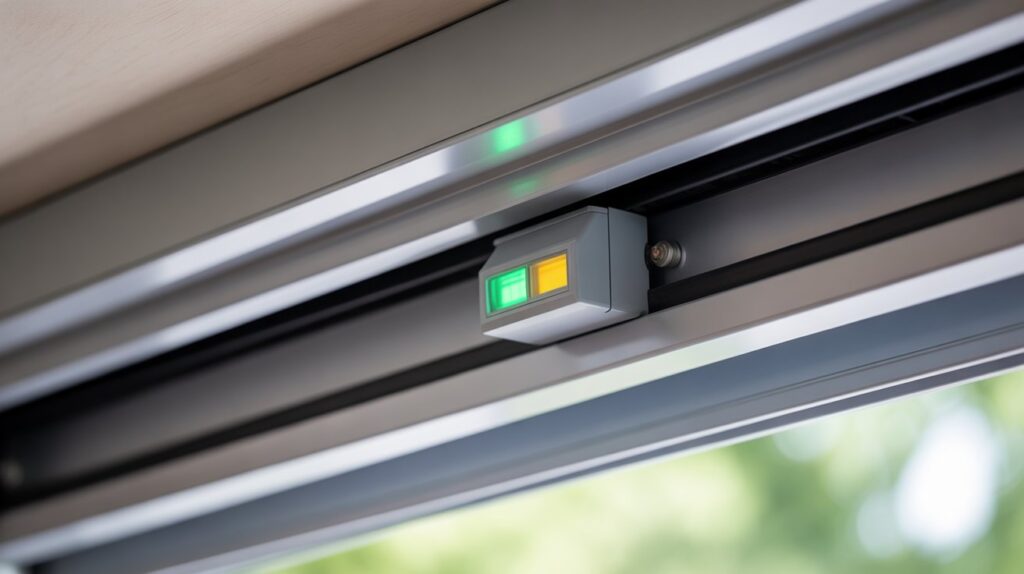
Both sensors should face each other directly, with their lenses at the same height. If either sensor is out of alignment, the system will not work. Gently adjust the sensors until both indicator lights are solid (not blinking). If you need more detailed guidance, our article on how to fix garage door sensor mounting on metal studs covers alignment tips for various surfaces.
2. Check for Moisture or Residue
If you used a wet cloth or cleaning spray, moisture may have entered the sensor housing or left a film on the lens. Use a dry, soft cloth to gently wipe the lens. Allow the sensors to air dry for at least 15–30 minutes before testing again. Avoid using harsh chemicals or excessive water in the future.
3. Examine the Wiring and Connections
Look for any loose or disconnected wires at the back of each sensor. Gently push the connectors to ensure they are secure. If you notice frayed or damaged wires, you may need to replace the wiring or call a professional.
4. Test the Sensor Lights
Most garage door sensors have indicator lights. When working properly, these lights are usually solid (not blinking). If one or both lights are off, double-check the power supply and connections. If the lights are on but the door still won’t close, try cleaning the lenses again.
5. Reset the Garage Door Opener
Sometimes, a simple reset can resolve sensor issues. Unplug the opener for 30 seconds, then plug it back in. Test the door to see if the problem is resolved.
Advanced Fixes for Persistent Sensor Problems
If the basic steps above do not restore your garage door sensor, consider these additional troubleshooting methods:
- Replace Sensor Wires: If you suspect internal wire damage, replacing the wires may solve the problem.
- Swap Sensors: If you have a compatible spare sensor, swap it with the malfunctioning one to isolate the issue.
- Check for Sunlight Interference: Direct sunlight can sometimes interfere with the infrared beam. Try shading the sensors or testing at a different time of day.
- Inspect the Sensor Brackets: Bent or damaged brackets can prevent proper alignment. For more on this, see our guide on how to fix garage door sensor bracket bending.
Preventing Sensor Issues After Cleaning
Once you’ve restored your garage door sensor, it’s important to prevent similar problems in the future. Here are some best practices:
- Always use a dry or slightly damp cloth—never spray water or cleaner directly onto the sensor.
- Be gentle when wiping to avoid knocking the sensors out of alignment.
- Regularly check for cobwebs, dust, or debris that could block the sensor lens.
- After cleaning, verify that both sensor lights are on and the door operates correctly.
- If your garage is exposed to temperature swings, review our tips on how to fix garage door sensor from shifting due to temperature.
When to Call a Professional
If you’ve tried all the troubleshooting steps and your garage door sensor still won’t work, it may be time to consult a professional. Persistent issues could indicate a faulty sensor, damaged wiring, or a malfunctioning opener. For more in-depth repair advice, check out this comprehensive guide to fixing garage door sensors.
A trained technician can quickly diagnose and resolve complex problems, ensuring your garage door remains safe and reliable.
FAQ
Why did my garage door sensor stop working after I cleaned it?
Cleaning can sometimes cause sensors to become misaligned, introduce moisture, or loosen wiring. Even a small bump or a bit of residue left on the lens can disrupt the infrared beam, making the sensor appear faulty.
How do I know if my garage door sensor is misaligned?
Most sensors have indicator lights. If the lights are blinking or off, it’s a sign the sensors are not aligned or there’s an obstruction. Both lights should be solid when the sensors are facing each other correctly and nothing is blocking the beam.
Is it safe to bypass a malfunctioning garage door sensor?
Bypassing the safety sensor is not recommended, as it disables a critical safety feature. Instead, follow the troubleshooting steps above or contact a professional for help. The sensor is designed to prevent accidents and injuries.
Can temperature changes affect my garage door sensor?
Yes, extreme heat or cold can cause the sensor brackets to shift, which may lead to misalignment. For more information, see our article on how to fix garage door sensor from shifting due to temperature.
By following these steps and best practices, you can confidently address most sensor issues that arise after cleaning. Regular maintenance and gentle cleaning will help keep your garage door system running smoothly and safely.