Garage door safety sensors play a crucial role in preventing accidents and property damage. These sensors, often called photo eyes or infrared beam sensors, stop the door from closing if something blocks the invisible beam between them. Knowing how to test for infrared beam obstruction is essential for homeowners and anyone maintaining a garage door system. Regular testing ensures your garage door operates safely and reliably, reducing the risk of injury or costly repairs.
In this guide, you’ll learn practical steps to identify and troubleshoot obstructions, understand common sensor issues, and maintain optimal sensor performance. Whether you suspect a problem or just want to perform routine checks, following these instructions can help keep your garage door system in top shape.
If you encounter issues like misaligned sensors or unexplained sensor light behavior, you may find additional help in related topics such as why is my garage door sensor indicator light missing. Addressing these issues early can prevent further complications.
Understanding Garage Door Infrared Sensors
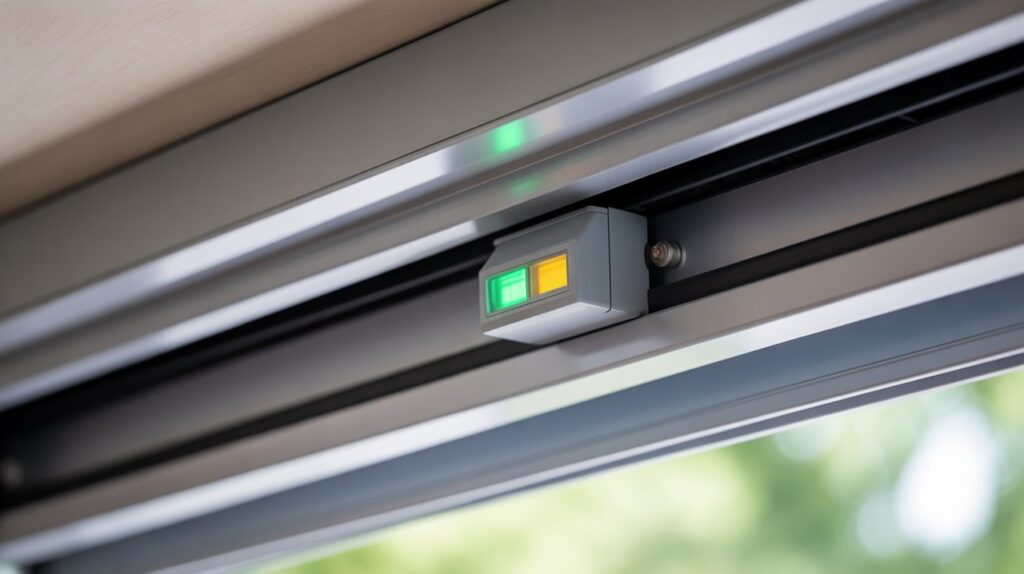
Infrared sensors are installed near the bottom of your garage door tracks, typically about six inches above the ground. They work in pairs—one sensor emits an infrared beam, and the other receives it. If the beam is interrupted, the garage door opener detects the obstruction and either stops or reverses the door’s movement. This safety feature is required by law in many regions and is standard on modern automatic garage doors.
Common causes of beam interruption include physical objects, dirt or debris on the sensor lens, misalignment, or even sunlight interference. Regularly testing and maintaining these sensors helps ensure they function as intended.
Step-by-Step Guide: How to Test for Infrared Beam Obstruction
Performing a test for obstructions in the infrared beam path is straightforward. Follow these steps to check your garage door sensors and identify any issues:
- Visually Inspect the Sensors: Start by examining both sensors for dirt, cobwebs, or debris. Clean the lenses gently with a soft, dry cloth.
- Check Sensor Alignment: Both sensors should face each other directly. If they appear misaligned, adjust them until the indicator lights on both sensors are steady (not blinking).
- Test the Door Operation: Close the garage door using the wall-mounted button or remote. As the door begins to close, wave a long object (like a broomstick) across the path between the sensors. The door should stop and reverse immediately if the beam is interrupted.
- Observe the Indicator Lights: Most sensors have LED lights. A solid light typically indicates proper alignment and function, while a blinking or off light suggests a problem.
- Remove All Obstructions: Ensure nothing is blocking the sensor path, including tools, toys, or stored items.
If your garage door does not respond as expected during these tests, further troubleshooting may be required. For more in-depth fixes, consider reading about troubleshooting garage door sensors for detailed repair steps.
Common Issues Affecting Infrared Safety Beams
Several factors can interfere with the proper functioning of your garage door’s safety sensors. Understanding these issues can help you quickly identify and resolve problems:
- Misalignment: Even a slight bump can knock sensors out of alignment, causing the beam to miss the receiver.
- Dirty or Fogged Lenses: Dust, dirt, or condensation can block the beam, leading to false obstruction signals.
- Wiring Problems: Damaged or loose wires can disrupt the signal between the sensors and the opener.
- Sunlight Interference: Direct sunlight shining on the sensor can mimic an obstruction, especially in the afternoon.
- Physical Damage: Sensors or their brackets may become bent or broken, especially in busy garages.
If you notice the sensor lights are blinking or not illuminated, check for these common problems first. For more information on sensor bracket issues, see our guide on how to fix garage door sensor bracket bending.
How to Maintain and Troubleshoot Infrared Sensors
Regular maintenance can prevent most sensor problems. Here are some tips to keep your garage door safety system working reliably:
- Clean the Sensors: Wipe the lenses with a soft cloth every few months or whenever you notice dirt buildup.
- Check for Secure Mounting: Ensure both sensors are firmly attached to their brackets and not loose or wobbly.
- Inspect Wiring: Look for frayed or disconnected wires and repair as needed.
- Test Regularly: Perform the obstruction test monthly to confirm the system is working.
- Adjust for Temperature Shifts: Seasonal changes can cause brackets to expand or contract, affecting alignment. Learn more about this in our article on how to fix garage door sensor from shifting due to temperature.
Addressing minor issues promptly can prevent more significant problems down the line and ensure your garage door remains safe for everyone in your household.
When to Seek Professional Help
While most sensor issues can be resolved with basic troubleshooting, some situations require professional attention. If your garage door still fails to respond after cleaning, realigning, and checking wiring, or if you notice persistent blinking lights, it may indicate a more serious electrical or mechanical problem. In such cases, contacting a certified garage door technician is the safest option.
Additionally, if your sensors are old or damaged beyond repair, replacing them with new, compatible units ensures continued safety and reliability. Upgrading to modern sensor lights can also enhance visibility and performance.
FAQ: Infrared Beam Sensor Testing and Troubleshooting
How often should I test my garage door safety sensors?
It’s recommended to perform a test for obstructions in the infrared beam path at least once a month. Regular testing helps catch issues early and ensures your garage door system remains safe for daily use.
What does it mean if my sensor light is blinking?
A blinking sensor light usually indicates misalignment or an obstruction. Check for dirt on the lens, ensure both sensors are facing each other, and remove any objects in the path. If the problem persists, inspect the wiring or consult a technician.
Can sunlight interfere with infrared garage door sensors?
Yes, direct sunlight can sometimes disrupt the sensor’s ability to detect the infrared beam, especially during certain times of day. If you suspect sunlight interference, try shading the sensor or adjusting its angle slightly to minimize the effect.
Why does my garage door close partway and then reverse?
This behavior often points to an obstruction or misalignment in the sensor system. Perform a thorough inspection and test as described above to identify and resolve the issue.
Are there solutions for mounting sensors on metal studs?
Yes, special mounting techniques are available for metal surfaces. For step-by-step instructions, refer to our article on how to fix garage door sensor mounting on metal studs.
By following these steps and tips, you can confidently maintain and test your garage door’s infrared safety system, ensuring reliable operation and peace of mind for your household.