Garage door sensors are a vital safety feature in modern homes, ensuring that the door stops or reverses if something is detected in its path. When these sensors malfunction, your garage door may refuse to close, reverse unexpectedly, or display blinking lights. Understanding how to troubleshoot Marantec garage door sensors can save you time, money, and frustration. This guide provides step-by-step instructions to help you identify and resolve common sensor issues, so your garage door operates smoothly and safely.
If you’re interested in more technical details, such as checking sensor voltage, you can refer to how to check garage door sensor voltage for a comprehensive walkthrough.
Understanding How Marantec Garage Door Sensors Work
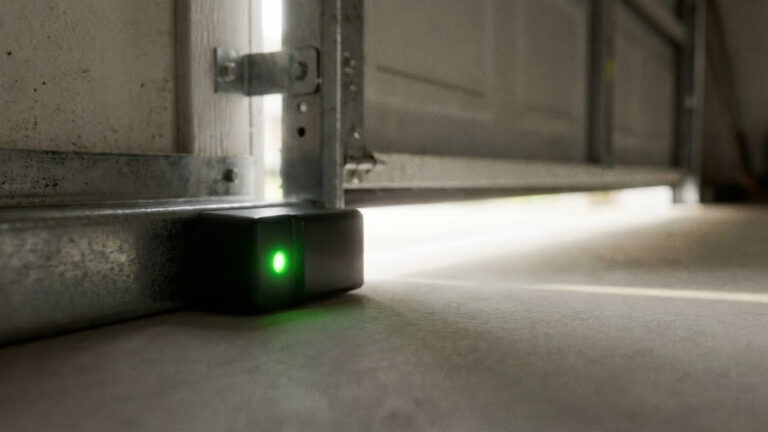
Marantec garage door sensors use an infrared beam to detect objects in the door’s path. There are typically two units: a sender and a receiver, installed on either side of the garage door near the floor. When the beam is interrupted, the opener prevents the door from closing, protecting people, pets, and property.
These sensors are sensitive to alignment, dirt, wiring issues, and even sunlight. Recognizing the signs of sensor trouble is the first step in resolving any malfunction.
Common Signs of Sensor Problems
Before diving into troubleshooting Marantec garage door sensors, it’s important to recognize the symptoms of a faulty system. Here are some of the most frequent indicators:
- The garage door won’t close or reverses immediately after starting to close.
- Indicator lights on the sensors are blinking or off.
- The opener flashes a diagnostic code.
- Manual operation works, but remote or wall switch operation fails.
If you notice any of these issues, it’s likely that your sensors need attention.
Step-by-Step Guide to Diagnosing Sensor Issues
Follow these steps to systematically address problems with your Marantec garage door sensors:
1. Inspect Sensor Alignment
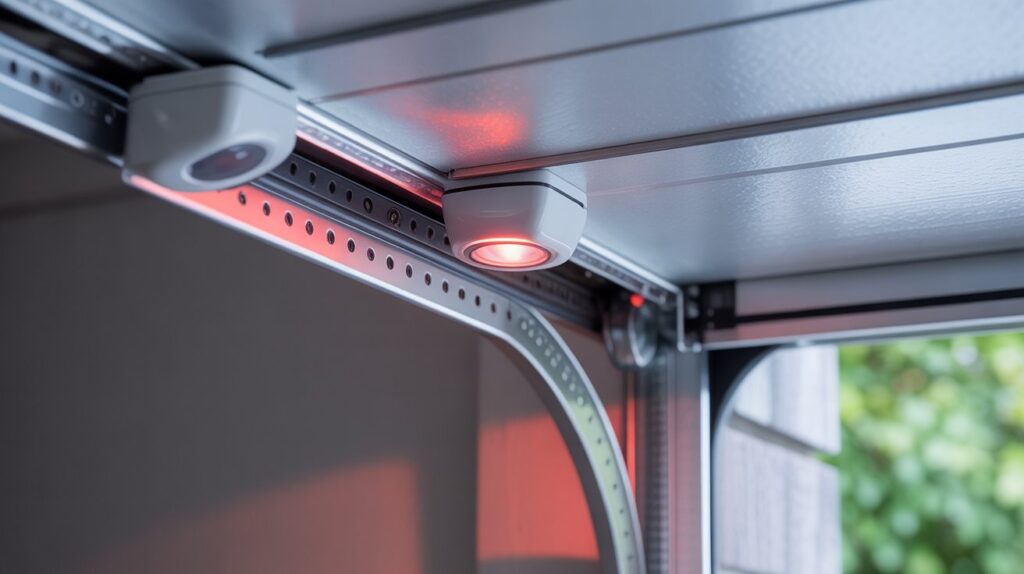
Misalignment is a leading cause of sensor failure. Both units must face each other directly, with their lenses parallel to the ground. Even slight bumps can knock them out of place.
- Check if both sensor lights are solid (not blinking).
- Gently adjust the sensors until both lights remain steady.
- Tighten the mounting brackets to hold the sensors in position.
2. Clean the Sensor Lenses
Dust, cobwebs, and debris can block the infrared beam. Use a soft, dry cloth to gently wipe both sensor lenses. Avoid using harsh chemicals, as these can damage the plastic.
3. Check for Obstructions in the Beam Path
Objects such as garden tools, bikes, or even thick spider webs can interrupt the sensor beam. Make sure the area between the sensors is completely clear.
For a deeper understanding of how the beam works, see what is the beam path of a garage door sensor.
4. Examine Wiring and Connections
Loose or damaged wires can cause intermittent sensor failures. Inspect the wires leading to each sensor for visible damage, corrosion, or loose connections at the terminals. If you find any issues, turn off power to the opener before attempting repairs.
5. Evaluate Sensor Lights and Diagnostic Codes
Marantec sensors typically have LED indicators. A solid light usually means the sensor is functioning, while blinking or no light suggests a problem. Consult your opener’s manual for specific diagnostic codes.
For more on interpreting sensor light colors and what they mean, check out this guide to garage door sensor colors and fixes.
6. Address Environmental Factors
Bright sunlight, moisture, and extreme temperatures can affect sensor performance. If sunlight is shining directly into the receiver, try shading it temporarily to see if the problem resolves. For persistent moisture issues, see how to fix garage door sensor moisture problems.
Advanced Troubleshooting Tips for Persistent Issues
If basic troubleshooting doesn’t resolve the problem, consider these advanced steps:
- Test the sensors with a multimeter: This can help determine if power is reaching the units. For instructions, refer back to how to check garage door sensor voltage.
- Install sun shields: If sunlight interference is a recurring issue, consider adding shields. Learn more at how to install garage door sensor sun shields.
- Replace faulty sensors: If all else fails, the sensors themselves may be defective and require replacement.
Preventative Maintenance for Reliable Sensor Operation
Regular maintenance can prevent many sensor problems before they start. Here are some tips:
- Clean sensor lenses monthly to remove dust and debris.
- Check alignment after any accidental bumps or adjustments to the garage door tracks.
- Inspect wiring annually for signs of wear or corrosion.
- Keep the area around the sensors clear of clutter and obstructions.
- Test the door’s safety reversal feature periodically to ensure sensors are functioning.
If you ever notice a yellow indicator on your sensor, you may want to read about why is my garage door sensor yellow for more details on what this means and how to fix it.
Frequently Asked Questions
Why does my Marantec garage door sensor light keep blinking?
A blinking sensor light typically indicates misalignment, an obstruction, or a wiring issue. Start by checking that both sensors are facing each other and that nothing is blocking the beam. If the problem persists, inspect the wiring and clean the lenses.
Can sunlight affect my garage door sensors?
Yes, direct sunlight can interfere with infrared sensors, causing false readings or preventing the door from closing. Installing sun shields or repositioning the sensors can help minimize this issue.
How do I know if my Marantec sensors need to be replaced?
If you’ve tried cleaning, realigning, and checking the wiring, but the sensors still don’t function (no lights or persistent errors), they may be faulty. Replacement is often the most effective solution in this case.
What should I do if my garage door closes only when I hold the wall button?
This is a common sign that the safety sensors are not working correctly. The opener overrides the sensors when the wall button is held down. Troubleshoot by checking alignment, cleaning the lenses, and ensuring the wiring is intact.
Conclusion
Addressing issues with Marantec garage door sensors is often straightforward with the right approach. By following the steps outlined above, you can resolve most problems yourself and restore safe, reliable operation to your garage door. Regular maintenance and prompt attention to warning signs will help keep your system running smoothly for years to come.