Understanding the garage door cable components in your home’s overhead door system is essential for both safety and smooth operation. These parts work in harmony to lift and lower the heavy door, ensuring reliable performance every day. Whether you’re a homeowner looking to maintain your garage door or simply curious about how these mechanisms function, learning about each element and how they interact can help you spot issues early and make informed decisions about repairs or upgrades.
Many people underestimate the importance of these cables and their related hardware. However, a single worn or damaged component can lead to malfunctions or even safety hazards. For a more detailed technical overview, you might find the garage door cable system overview helpful as well.
The Essential Parts of a Garage Door Cable System
Every garage door that uses a cable system relies on a set of interconnected parts. Here’s a breakdown of the most important garage door cable components and their roles:
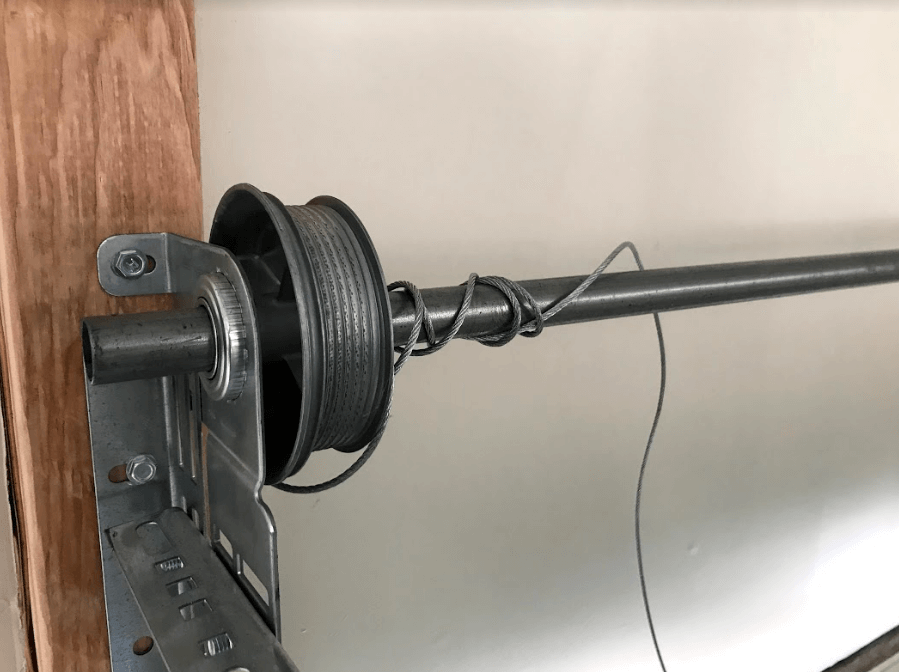
- Cables: These strong, flexible wires are the backbone of the lifting mechanism. Made from galvanized steel, they’re designed to handle the weight of the door as it moves up and down.
- Drums: Located at the ends of the torsion shaft above the door, drums wind and unwind the cables as the door operates. Their grooves keep the cables aligned and prevent tangling.
- Pulleys: Found in extension spring systems, pulleys help redirect the cable’s path and distribute tension evenly, making it easier to lift the door.
- Spring Attachments: Springs (either torsion or extension) store and release energy, counterbalancing the door’s weight. The cables connect to these springs to transfer force efficiently.
- Anchors and Fasteners: These secure the cables to the bottom bracket of the door and to the drums or pulleys, ensuring everything stays in place during operation.
Each of these parts must be in good condition and properly installed for the entire system to function safely. If you’re interested in a step-by-step explanation of the lifting process, how garage door cables work offers a deeper dive.
How Cable Components Interact During Operation
When you open or close your garage door, several things happen simultaneously. The cables, attached to the bottom of the door, wind around the drums as the door rises. The springs—whether torsion or extension—provide the necessary force to offset the door’s weight, making it possible to lift with minimal effort.
As the door moves, the drums keep the cables taut and guide them smoothly. In extension spring systems, pulleys further assist by redirecting the cable and balancing the load. Proper tension is crucial; too much slack can cause the cable to jump off the drum or pulley, while excessive tension increases wear and can lead to breakage.
Types of Garage Door Cable Systems
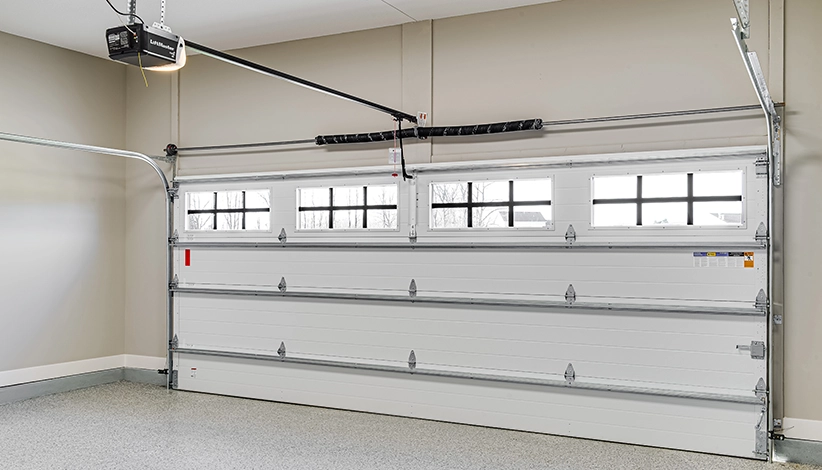
There are two main types of cable systems used in residential garage doors: torsion spring systems and extension spring systems. Each uses cables in a slightly different way, but the core components remain similar.
Torsion Spring Cable Arrangement
In torsion spring setups, the cables run vertically from the bottom bracket of the door up to the drums at each end of the torsion shaft. As the door opens, the cables wind around the drums, and the torsion springs provide the lifting force. This design is known for its durability and smooth operation.
Extension Spring Cable Setup
Extension spring systems use cables that run from the bottom of the door through a series of pulleys and attach to the extension springs, which are mounted along the horizontal tracks. The pulleys help distribute the load and keep the cables moving smoothly as the springs stretch and contract.
For a comprehensive explanation of the different cable types and their uses, check out garage door cables explained.
Common Issues With Garage Door Cable Hardware
Like any mechanical system, garage door cables and their associated hardware can develop problems over time. Here are some frequent issues to watch for:
- Fraying or Broken Cables: Wear and tear can cause cables to fray or snap, which can make the door inoperable or even dangerous.
- Cable Off Drum: If a cable slips off its drum, the door may become crooked or stuck. This often results from improper tension or misalignment.
- Worn Pulleys or Drums: Damaged pulleys or drums can cause cables to wear out faster and may lead to jerky or uneven door movement.
- Loose Fasteners: Anchors and brackets can loosen over time, increasing the risk of cable failure.
Regular inspection and prompt replacement of worn parts are key to preventing these issues. If you want to know more about the function of these cables, the article on garage door cable function provides additional insights.
Maintenance Tips for Cable Systems
To keep your garage door running smoothly, routine maintenance of the cable system is essential. Here are a few practical tips:
- Inspect cables regularly for signs of fraying, rust, or wear. Replace them if any damage is found.
- Check pulleys and drums for smooth rotation and signs of wear. Lubricate moving parts as recommended by the manufacturer.
- Ensure proper tension in the cables. If the door feels heavy or unbalanced, the cables or springs may need adjustment.
- Tighten all fasteners and brackets periodically to prevent loosening from vibration.
- Never attempt major repairs on your own unless you have experience with garage door systems. The high tension in springs and cables can be dangerous. Consult a professional for complex repairs.
For more detailed information on the basics, what are garage door cables is a helpful resource.
When to Replace Garage Door Cable Components
Knowing when to replace parts is crucial for safety and reliability. Here are some signs that it’s time for new cables or related hardware:
- Visible fraying, kinks, or broken strands in the cable.
- Rust or corrosion on cables, pulleys, or drums.
- Unusual noises during operation, such as grinding or squeaking.
- The door moves unevenly or gets stuck partway.
- Loose or damaged brackets and fasteners.
Replacement parts are widely available, and many homeowners choose to purchase a pulley and cable kit or extension spring cables for DIY repairs. However, if you’re unsure about the process, it’s always best to hire a professional technician.
For a more technical look at cable systems and their intricacies, the article garage door cables: the ins and outs provides expert insights and troubleshooting tips.
Frequently Asked Questions
What are the main components of a garage door cable system?
The primary parts include the cables themselves, drums, pulleys (for extension spring systems), spring attachments, and various anchors or fasteners. Each plays a specific role in lifting and lowering the door safely and efficiently.
How often should garage door cables be replaced?
It depends on usage and environmental conditions, but most cables last 5–7 years with regular use. Inspect them annually and replace immediately if you notice fraying, rust, or other damage.
Can I replace garage door cables myself?
While some experienced DIYers handle cable replacement, it’s a risky task due to the high tension in springs and cables. If you’re not confident in your skills, it’s safer to hire a professional technician.