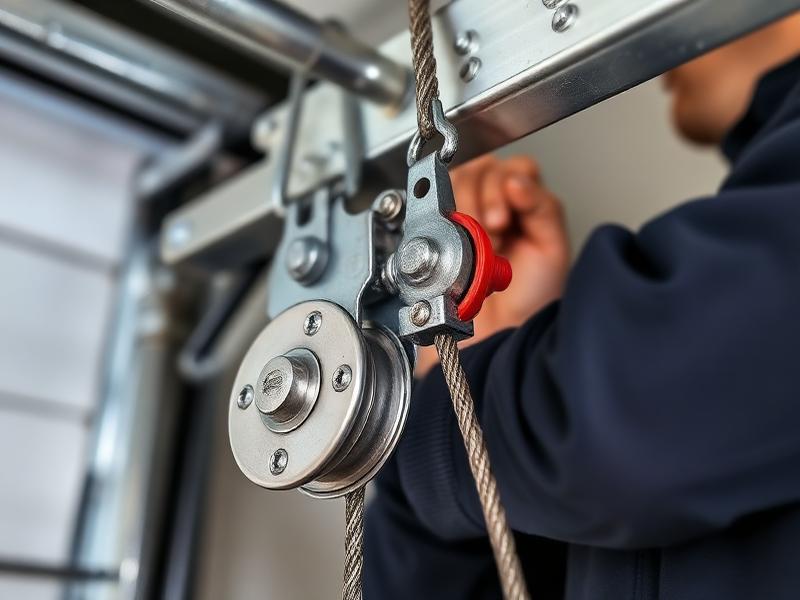
Garage door lift cables are a critical component in the safe and reliable operation of most residential and commercial garage doors. These sturdy cables work in tandem with springs and pulleys to help raise and lower the heavy door panels smoothly. Understanding how these cables function, why they matter for safety, and how to spot signs of wear can help you avoid unexpected breakdowns and costly repairs.
In this guide, you’ll discover the key roles these cables play, the types used in modern garage doors, and practical tips for maintenance and replacement. Whether you’re a homeowner looking to improve your garage’s safety or simply want to understand more about your door’s mechanics, this article covers the essentials.
For a deeper dive into the various garage door cable components and how they interact within the system, be sure to explore our detailed breakdown. This foundational knowledge will help you better understand the mechanics discussed below.
How Lift Cables Work in Your Garage Door System
At the heart of most overhead garage door systems are two main types of cables: lift cables and safety cables. The lift cables attach to the bottom bracket of the door and wind around a drum or pulley as the door opens and closes. Their primary job is to transfer the force generated by the springs, allowing the door to move smoothly and evenly.
When the door is closed, the cables are under significant tension. As the door opens, the tension is released, and the cables wind up onto the drum. If a cable snaps or becomes frayed, the door may become unbalanced or even inoperable. This is why regular inspection and timely replacement are essential for safe operation.
For those interested in a comprehensive overview of the mechanics involved, our garage door cable system overview provides further insights into how each part contributes to the door’s movement and safety.
Types of Garage Door Lift Cables and Their Functions
There are two main types of lift cables used in garage doors:
- Torsion spring cables: These are used with torsion spring systems, which are mounted above the door opening. The cables wind around a drum as the door opens, balancing the door’s weight.
- Extension spring cables: Found in systems with extension springs located along the horizontal tracks, these cables run through the springs and help prevent them from flying off if they break.
Both types are made from galvanized steel for durability and strength. However, they are not interchangeable—each is designed for a specific spring system and door weight. Choosing the right cable is crucial for safe and efficient operation.
Why Cable Safety Is Non-Negotiable
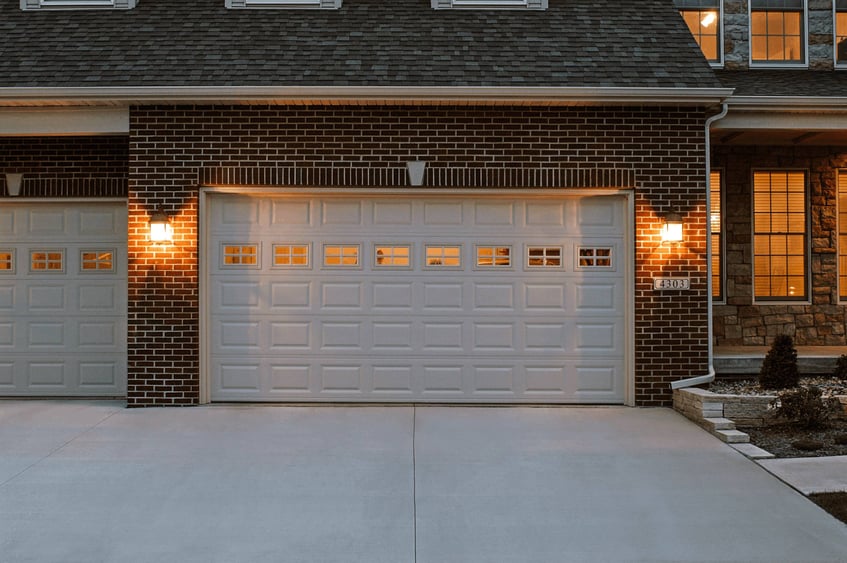
Because garage door lift cables are under high tension, a failure can be dangerous. If a cable snaps, the door may slam shut unexpectedly, potentially causing injury or damaging property. In some cases, a broken cable can also cause the door to become crooked or stuck, trapping vehicles or belongings inside the garage.
To minimize risks, always inspect cables for signs of wear, such as fraying, rust, or kinks. If you notice any issues, avoid using the door until the cables are replaced. It’s strongly recommended to hire a professional for cable replacement, as improper installation can lead to further hazards.
For a detailed explanation of the roles these cables play, visit our article on garage door cable function to understand their importance in everyday use.
Common Signs of Cable Wear and When to Replace
Regular maintenance is key to preventing sudden failures. Here are some warning signs that your lift cables may need attention:
- Visible fraying or broken strands: Even a few broken wires can compromise the cable’s strength.
- Rust or corrosion: Moisture can weaken the steel, making it more likely to snap.
- Kinks or bends: These can prevent the cable from winding smoothly and may cause it to jump off the drum.
- Uneven door movement: If the door lifts unevenly or gets stuck, a cable may be stretched or damaged.
It’s advisable to check your cables at least twice a year, especially if your garage is exposed to harsh weather or high humidity. If you spot any of these issues, arrange for a replacement as soon as possible.
DIY vs. Professional Cable Replacement
While some experienced DIYers may feel comfortable replacing lift cables themselves, it’s important to recognize the risks. The tension in the cables and springs can cause serious injury if not handled correctly. Specialized tools and knowledge are required to safely release and reattach cables.
If you decide to tackle the job yourself, always follow manufacturer instructions and wear protective gear. However, for most homeowners, hiring a trained technician is the safest option. Professionals can also inspect the entire system for other issues, ensuring long-term reliability.
If you’re curious about the step-by-step process, this detailed guide to fixing a garage door cable offers practical advice and safety tips for both DIY and professional repairs.
Maintenance Tips for Long-Lasting Cables
To extend the life of your garage door lift cables and keep your door operating safely, consider these maintenance tips:
- Inspect cables and hardware every six months for wear or damage.
- Keep the tracks and drums clean and free of debris.
- Lubricate moving parts with a silicone-based spray, but avoid getting lubricant on the cables themselves.
- Check the door’s balance by disconnecting the opener and manually lifting the door—it should stay open about halfway. If it doesn’t, the cables or springs may need adjustment.
- Replace both cables at the same time to ensure even wear and balanced operation.
For more on how these parts interact, our article on how garage door cables work provides further context and troubleshooting advice.
Frequently Asked Questions
How often should garage door lift cables be replaced?
Most cables last between 5 to 10 years, depending on usage and environmental conditions. However, if you notice any signs of wear such as fraying, rust, or kinks, replace them immediately to avoid sudden failure.
Can I replace garage door lift cables myself?
While it is possible for skilled DIYers to replace cables, the process involves handling components under high tension. For most homeowners, hiring a professional is the safest and most reliable option.
What are the risks of ignoring worn or damaged lift cables?
Neglecting cable maintenance can lead to sudden door failure, which may cause injury, property damage, or leave your garage inaccessible. Regular inspection and timely replacement are essential for safety.
Are there different cables for torsion and extension spring systems?
Yes, torsion and extension spring systems use different types of cables. Always use the correct cable for your specific garage door setup to ensure proper operation and safety.
Where can I find more information on garage door cable systems?
For a comprehensive explanation of how all components work together, visit our resource on garage door cables explained.