Garage door safety sensors are essential for preventing accidents and injuries, but their default installation height can sometimes be problematic for households with large dogs or other tall pets. If your furry companion regularly passes through the garage, you may have noticed that the door refuses to close when your pet is nearby, or worse, the sensor beam is too high to detect your pet at all. Understanding how to optimize sensor placement can help keep your pets safe while ensuring your garage door operates smoothly.
This guide will walk you through tips for adjusting garage door sensor height for pets, focusing on practical steps, safety considerations, and troubleshooting advice. Whether you’re a pet owner looking to make your garage safer or simply want to avoid false triggers, these strategies will help you find the right balance.
Before making any adjustments, it’s important to understand how your garage door sensors work and what the manufacturer recommends. If you encounter issues such as mounting challenges or sensor lights not functioning, you may find additional guidance in resources like how to fix garage door sensor mounting on metal studs or troubleshooting articles on sensor indicator lights.
Understanding Garage Door Sensors and Pet Safety
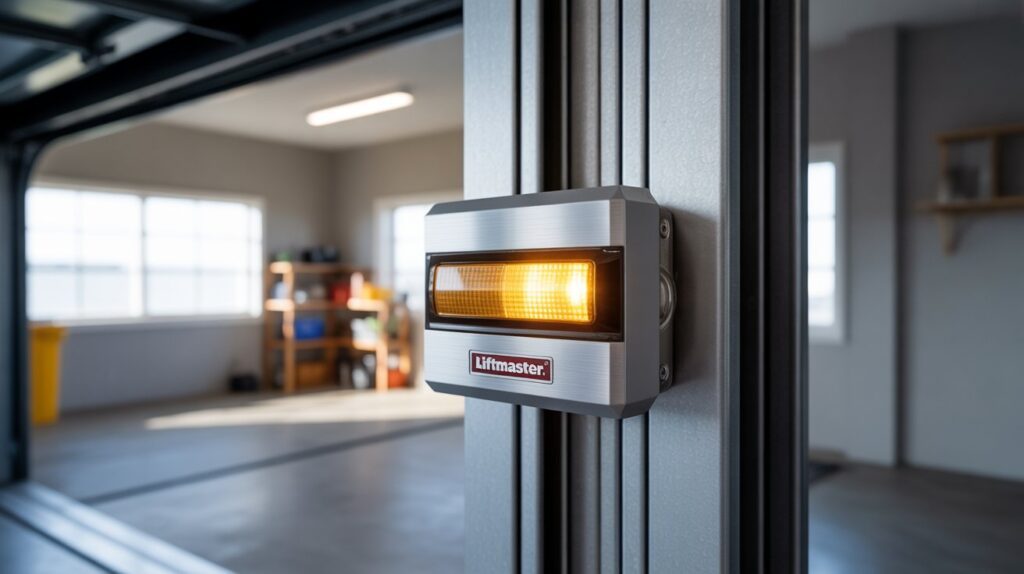
Garage door sensors are designed to detect obstructions in the path of the closing door. Most systems use a pair of photoelectric eyes installed a few inches above the floor, creating an invisible beam. If anything interrupts the beam, the door reverses or stops closing. For families with large pets, the default sensor height—usually 4–6 inches—may not always be ideal. Tall dogs, for example, can break the beam unintentionally, while smaller animals might go undetected if the sensors are set too high.
Proper adjustment ensures the door remains safe for all household members, including pets, while minimizing false positives that can be frustrating for owners.
Key Considerations Before Adjusting Sensor Height
Before you begin, consider the following:
- Manufacturer Guidelines: Always check your garage door opener’s manual. Most manufacturers specify a minimum and maximum mounting height for safety compliance.
- Pet Size and Behavior: Observe how your pet typically enters and exits the garage. Are they likely to walk under the beam, or do they jump and play near the door?
- Local Safety Codes: Some areas have regulations regarding garage door safety features. Ensure your adjustments comply with these rules.
- Potential Obstructions: Consider toys, bikes, or other items that might regularly cross the sensor’s path and cause false triggers.
Step-by-Step Guide: Adjusting Sensor Height for Large Pets
Follow these steps to optimize your garage door sensors for homes with larger animals:
- Disconnect Power: For safety, unplug the garage door opener or turn off the circuit breaker before working on the sensors.
- Assess the Current Height: Measure the distance from the floor to the center of each sensor. Note the current position and how it aligns with your pet’s height.
- Determine the Ideal Height: For most large dogs, positioning the sensors at 6–8 inches above the floor allows the beam to detect your pet while minimizing unnecessary interruptions. If your pet is exceptionally tall, you may need to adjust slightly higher, but never above the manufacturer’s recommended maximum.
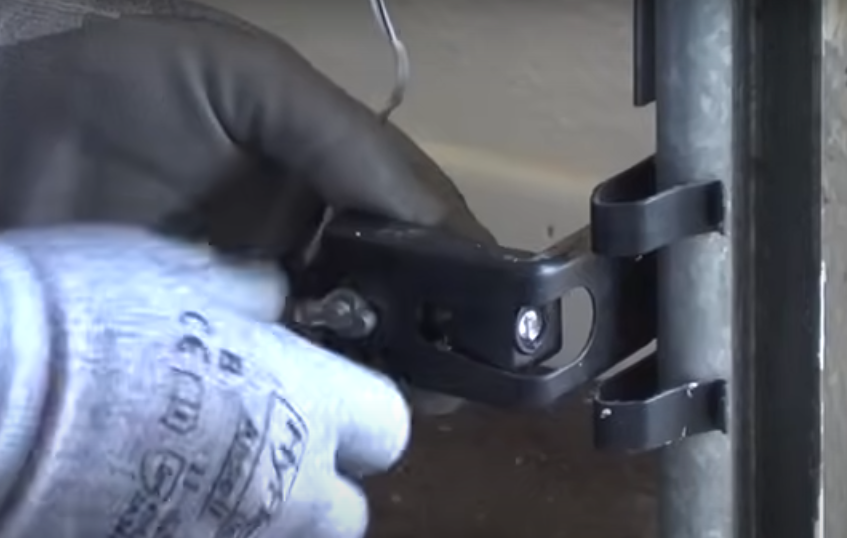
- Loosen and Adjust: Use a screwdriver to loosen the mounting brackets. Gently slide the sensors up or down to the desired height, ensuring both sides are level and directly facing each other.
- Secure and Test: Tighten the brackets and restore power. Test the door by having your pet walk through the beam (with the door stationary) to confirm the sensors detect their presence. Make additional adjustments if necessary.
If you notice issues such as the sensor lights not illuminating or the door failing to respond, consult troubleshooting resources or consider reading about why is my garage door sensor indicator light missing for further insights.
Common Mistakes When Adjusting Sensors for Pets
Even with the best intentions, mistakes can happen. Here are some frequent errors to avoid when modifying sensor height for your pets:
- Mounting Too High: If the sensors are set above your pet’s back, smaller animals may pass undetected, defeating the safety purpose.
- Misalignment: Sensors must be perfectly aligned to function. Even a slight angle can cause the system to malfunction or trigger false alarms.
- Ignoring Bracket Stability: Loose or damaged brackets can cause the sensors to shift over time. If you notice bending or instability, refer to advice on how to fix garage door sensor bracket bending.
- Blocking the Beam: Avoid placing storage bins, tools, or other objects near the sensors that could regularly interrupt the beam.
Maintaining and Troubleshooting Sensor Adjustments
After adjusting your sensors, ongoing maintenance is essential. Dust, dirt, and vibrations from daily use can cause sensors to drift out of alignment or become blocked. Clean the lenses regularly with a soft cloth and periodically check that both sensors are still level and facing each other.
If your garage door begins to behave unpredictably—such as reversing unexpectedly or refusing to close—review troubleshooting steps. For issues related to environmental factors, such as heat, you can find additional help in articles like how to troubleshoot garage door sensor issues in summer. For more complex problems, consult your manufacturer or a professional technician.
For a comprehensive approach to diagnosing sensor issues, consider reading this step-by-step guide to troubleshooting garage door sensor problems for additional tips and solutions.
Best Practices for Pet Owners
To keep your pets safe and your garage door functioning reliably, follow these best practices:
- Test the sensors regularly by having your pet walk through the beam while the door is closing (ensure you can stop the door manually if needed).
- Supervise pets when the garage door is in motion, especially after making adjustments.
- Educate family members about the importance of not tampering with sensor alignment.
- Consider using additional safety features, such as motion-activated lights or pet doors, to further enhance safety.
By following these tips for adjusting garage door sensor height for pets, you can create a safer environment for your animals and ensure your garage door system works as intended.
Frequently Asked Questions
What is the recommended height for garage door sensors with large pets?
For most large dogs, setting the sensors between 6 and 8 inches above the floor is ideal. This height allows the beam to detect your pet while minimizing false triggers from smaller objects. Always check your garage door manufacturer’s guidelines before making adjustments.
Can I raise the sensors higher if my pet is very tall?
You can adjust the sensors slightly higher for exceptionally tall pets, but never above the maximum height specified by the manufacturer. Raising them too high can compromise safety for children or smaller animals. It’s best to find a balance that works for all household members.
What should I do if my garage door sensors keep getting misaligned?
Frequent misalignment may be due to loose brackets, vibrations, or accidental bumps. Tighten the mounting hardware and check for bracket damage. If the problem persists, refer to resources on fixing bracket bending or consult a professional for a more permanent solution.
How often should I test my garage door sensors?
It’s a good idea to test your sensors monthly, especially if you have pets or children. Walk through the beam while the door is closing to ensure the sensors trigger the safety mechanism. Clean the lenses and check alignment regularly for optimal performance.